Catastrophic Coral Collapse in Florida: Staghorn and Elkhorn Corals Declared Functionally Extinct
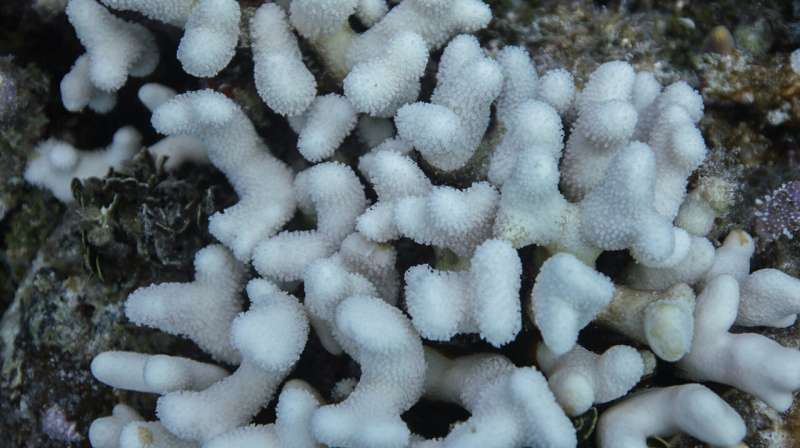
Florida’s Coral Reef, one of the most iconic and ecologically vital reef systems in the Western Hemisphere, has suffered a devastating blow. A new study published in Science confirms that two of Florida’s most important coral species—the staghorn coral (Acropora cervicornis) and elkhorn coral (Acropora palmata)—have become functionally extinct following an extreme marine heat wave in 2023. This event is being described as one of the most catastrophic coral losses ever recorded in the region.
What Does “Functional Extinction” Mean?
When scientists say a species is functionally extinct, it doesn’t mean every last organism has died. Instead, it means that so few individuals remain that the species can no longer perform its ecological role. In this case, while a few staghorn and elkhorn corals still exist in Florida’s waters, their numbers are now too low to build and maintain reefs, provide habitat for marine species, or protect coastlines from erosion and storms.
These two species once dominated the Caribbean and Florida reef systems, forming dense thickets that served as underwater forests teeming with marine life. Their collapse means a critical loss of structure and shelter for thousands of fish and invertebrates that depend on these reefs for survival.
The Record-Breaking 2023 Heat Wave
The 2023 marine heat wave was unprecedented in both intensity and duration. According to the research team led by NOAA’s Coral Reef Watch and Chicago’s Shedd Aquarium, sea surface temperatures along Florida’s Coral Reef reached record highs—up to around 32.3°C (about 90°F)—and stayed elevated for 2 to 3 months.
In fact, scientists found that heat exposure levels were 2.2 to 4 times greater than any previously recorded year over the last 150 years. This sustained thermal stress triggered widespread coral bleaching, a process where corals expel their symbiotic algae (zooxanthellae) and lose their color. Without these algae, corals are left starved of nutrients and energy, often leading to mass mortality.
This was the ninth major bleaching event recorded for Florida’s reef system, but it was by far the most destructive.
The Devastating Survey Results
To measure the impact, researchers conducted diver surveys across 391 sites, tracking 52,356 individual colonies of staghorn and elkhorn corals along 560 kilometers (about 350 miles) of reef from the Florida Keys to the Dry Tortugas and offshore southeast Florida.
The findings were staggering:
- In the Florida Keys and Dry Tortugas, mortality rates reached 97.8% to 100%, meaning entire populations were wiped out.
- In southeast Florida, mortality was lower—around 38%—thanks to relatively cooler offshore waters.
Even before this event, both coral species were already struggling due to disease, polluted runoff, previous bleaching events, and poor water quality. The 2023 heat wave acted as the final push, accelerating their near-total collapse.
A Century of Decline Reaches Its Breaking Point
The decline of staghorn and elkhorn corals has been ongoing for decades. Historically, these branching corals were among the most abundant reef-builders in the Caribbean and Florida. But since the late 1970s, repeated white-band disease outbreaks, overfishing, and warming oceans have reduced their populations by more than 95%.
The 2023 event has now pushed these species to a state of ecological collapse. Their once-thriving forests have turned into graveyards of bare limestone skeletons, unable to recover naturally due to low reproduction rates and limited surviving gene pools.
What Happens Next?
Despite the grim findings, scientists aren’t giving up. Researchers and conservationists have been working to create living repositories for surviving corals. These include aquarium-based collections, offshore coral nurseries, and land-based “gene banks” that preserve genetically diverse corals for future restoration.
During and after the heat wave, teams from the Shedd Aquarium, NOAA, and partner institutions rescued surviving coral fragments to safeguard their genetic diversity. These corals are now being maintained under controlled conditions to be used in future restoration projects.
However, experts caution that restoration alone won’t be enough. The next steps must include adaptive interventions—for example, introducing heat-tolerant genotypes from other regions or manipulating the symbiotic algae that corals depend on to survive warmer temperatures.
Such approaches are controversial but may be the only viable path to keeping Acropora species alive in Florida’s reefs under accelerating climate change.
The Bigger Picture: Why This Matters Globally
This isn’t just a Florida problem. The collapse of these corals represents a warning for reef systems worldwide. Ocean temperatures continue to climb as greenhouse gas emissions increase, and marine heat waves are becoming more frequent and more intense.
Coral reefs support 25% of all marine species, despite covering less than 1% of the ocean floor. They provide food, coastal protection, and economic value through fisheries and tourism. Losing them would mean losing the foundation of tropical marine ecosystems and vital protection for coastal communities from storms and flooding.
The Florida study shows that we are exceeding the thermal limits of corals—a warning that no amount of local restoration can offset if global warming continues unchecked.
Why Staghorn and Elkhorn Corals Are So Important
Staghorn and elkhorn corals are the architects of the Caribbean reef ecosystem. Their fast-growing, branching forms create complex three-dimensional habitats for fish, lobsters, crabs, and countless other species. They also play a crucial role in wave energy absorption, helping to protect shorelines from storm damage.
Both species reproduce by fragmentation (breaking off pieces that regrow) and sexual spawning, though successful spawning has become increasingly rare in Florida waters due to stress and low population densities.
Their extinction would permanently alter the biological landscape of the Caribbean and Gulf of Mexico, making the region’s reefs less productive, less diverse, and less resilient.
Can Corals Adapt to Climate Change?
Some scientists are exploring whether corals can evolve or adapt fast enough to survive rising temperatures. Research into assisted evolution, genetic crossbreeding, and algal symbiont manipulation shows promise. For example, corals that host certain strains of algae can survive 1–2°C higher temperatures.
However, adaptation has limits. The pace of current ocean warming—combined with pollution, overfishing, and coastal development—makes natural adaptation extremely difficult. The success of coral conservation will depend on reducing emissions and slowing ocean warming, alongside targeted restoration and innovation.
Lessons for the Future
The story of Florida’s Acropora corals is a sobering example of what happens when climate pressures outpace resilience. It underscores the urgent need for global climate action—not only to protect corals but also to safeguard the marine ecosystems and communities that depend on them.
Local restoration projects, while important, are like trying to plant trees during a wildfire if the root cause—warming oceans—isn’t addressed. Scientists agree that rapid, ambitious reductions in greenhouse gas emissions are the only way to prevent more reefs from collapsing into silence.
Reference
Research Paper: Heat-driven functional extinction of Caribbean Acropora corals from Florida’s Coral Reef (Science, 2025)