New Research Shows Bottled Water in Guatemala Is Often the Most Contaminated Source
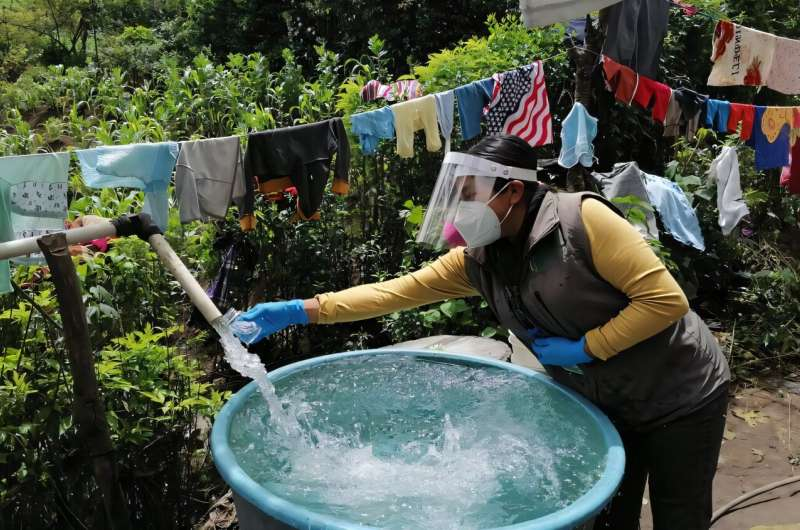
A new study led by Washington State University has revealed something that many people might find surprising: the drinking water sources Guatemalan households believe to be the safest are often among the most contaminated. This research took place in the Western Highlands region of Guatemala and compared community beliefs about water safety with actual water-quality testing from 11 different water sources.
What makes this finding especially striking is that bottled water sold in large refillable jugs, which most residents trust the most, turned out to be the water source most likely to be contaminated—particularly with coliform bacteria, a strong indicator of fecal contamination.
Below, I break down all the key details from the study in a clear, friendly, curiosity-driven way while keeping everything factual and specific.
What the Study Looked At
Researchers surveyed 60 households — split evenly between 30 urban and 30 rural homes — to understand how people perceive the safety of different water sources. They then collected samples from the actual water these families used for drinking.
The water types tested included:
- Bottled water (large refillable jugs commonly delivered to homes)
- Piped household water
- Municipal well water
- Spring water
- Filtered water
- Other local water sources
The study then focused on detecting coliforms, Escherichia coli, and two types of antimicrobial-resistant bacteria:
- Extended-spectrum beta-lactamase–producing (ESBL) Enterobacterales
- Carbapenem-resistant Enterobacterales (CRE)
These bacteria can cause extremely difficult-to-treat infections if they enter the bloodstream or urinary tract.
What People Believe vs. What the Water Actually Contains
Across Guatemalan households in the study, bottled water was overwhelmingly viewed as the safest option. Many families rely on large refillable jugs as their primary drinking-water source, believing them to be clean and trustworthy.
But the laboratory tests delivered a very different reality.
Key findings:
- Out of all water sources tested, bottled water was the most frequently contaminated.
- It was six times more likely to test positive for coliforms than other water sources.
- Only 17% of bottled-water samples met World Health Organization standards for safe drinking water.
- Across all water samples collected:
- 90% contained coliform bacteria
- 55% contained E. coli
- 30% contained ESBL bacteria
- CRE bacteria, though rare, were found in some piped household water samples
One of the biggest problems identified wasn’t necessarily the purification process used at bottling facilities. Instead, contamination likely occurs after bottling.
The study notes several contributing factors:
- Refillable jugs are sometimes stored improperly
- Water dispensers are often not cleaned regularly
- Improper handling can create ideal conditions for bacterial growth
This shows that even if water starts out clean, unsafe storage and handling can change everything.
Which Water Source Performed the Best?
Interestingly, the water source that tested safest in this study was one that residents generally trusted less: protected municipal wells.
These wells are:
- Properly sealed
- Chlorinated
- Regularly maintained by the community or municipal services
Among samples from protected municipal wells:
- None tested positive for coliform bacteria
- No E. coli, ESBL, or CRE were detected
However, when municipal water reached homes through piped distribution systems, the situation changed dramatically.
For piped household water:
- Over 65% of samples were contaminated with coliforms
- 28% contained E. coli
- 11% had ESBL bacteria
- 11% had CRE bacteria
This suggests that the distribution system, rather than the water source itself, is a major source of contamination — likely due to damaged pipes, aging infrastructure, intermittent water pressure, or cross-contamination with sewage.
How Cultural Beliefs Affect Water Safety
One of the most interesting insights from the study is how beliefs directly influence behavior.
When people trust a water source — like bottled water — they are:
- Less likely to boil the water
- Less likely to filter it
- Less likely to disinfect it
- Less likely to clean dispensers or storage containers
This reduced vigilance can actually help unhealthy bacteria grow or survive.
The researchers found that when people distrust a water source, they take more safety steps. Ironically, this means that the water people think is “safe enough” is often the water they handle the least carefully, making contamination more likely.
Why Water Contamination Is a Serious Global Issue
The study ties into a much larger global problem. Unsafe drinking water is responsible for millions of diarrheal infections every year. More than 4 billion people lack access to properly managed drinking-water sources.
And contamination doesn’t just cause illness — it also spreads antimicrobial-resistant bacteria, which are among the biggest public-health threats in the world.
ESBL and CRE bacteria, in particular, are alarming because:
- They are resistant to many of the most common antibiotics
- They can spread silently through the gut even if they don’t make a person sick right away
- When they do cause infections, treatment options are extremely limited
Finding even small amounts of these bacteria in drinking water is a very concerning sign.
Why These Findings Matter for Guatemala
Guatemala already faces significant water challenges:
- Many communities lack reliable access to clean drinking water
- Contaminated water contributes to high rates of childhood illness
- Rural and Indigenous regions often have limited infrastructure
- Water storage and distribution systems are prone to contamination
With bottled water being one of the country’s most commonly used drinking-water sources, discovering that it is frequently contaminated has major public-health implications.
This study shows that improving water safety isn’t just about upgrading infrastructure. It also requires:
- Better hygiene practices in homes
- Regular cleaning of water dispensers
- Public education about safe water handling
- Improving the distribution of municipal water
- Monitoring both microbial and antimicrobial-resistant contamination
Understanding the Specific Types of Bacteria Found
To make the scientific details clearer, here’s a quick explanation of the main bacteria highlighted in the research:
Coliform Bacteria
General indicator of fecal contamination.
If coliforms are present, it often means that harmful pathogens might be present.
E. coli
A specific coliform species.
Direct indicator of fresh fecal contamination.
ESBL-Producing Enterobacterales
These bacteria can break down many common antibiotics.
They spread easily and cause infections that are hard to treat.
CRE (Carbapenem-Resistant Enterobacterales)
Among the most dangerous antimicrobial-resistant bacteria in the world.
They resist carbapenems — usually last-resort antibiotics.
Finding ESBL or CRE in drinking water is considered a major red flag.
What This Means for Water Safety Efforts
This new research highlights a crucial takeaway: perception does not equal protection.
Just because water is bottled, sealed, or advertised as purified does not guarantee safety. Water safety depends on:
- Source quality
- Proper treatment
- Clean storage
- Hygienic handling
- Regular maintenance
Guatemala’s case shows how quickly contamination can occur when any link in this chain breaks.
Research Paper Link
Comparing Cultural Perceptions of Drinking Water Safety With Water Quality in Urban and Rural Guatemalan Communities
https://doi.org/10.2166/wh.2025.056