Skywatchers Get Ready for the 2025 Leonids Meteor Shower as One of the Fastest Annual Displays Returns
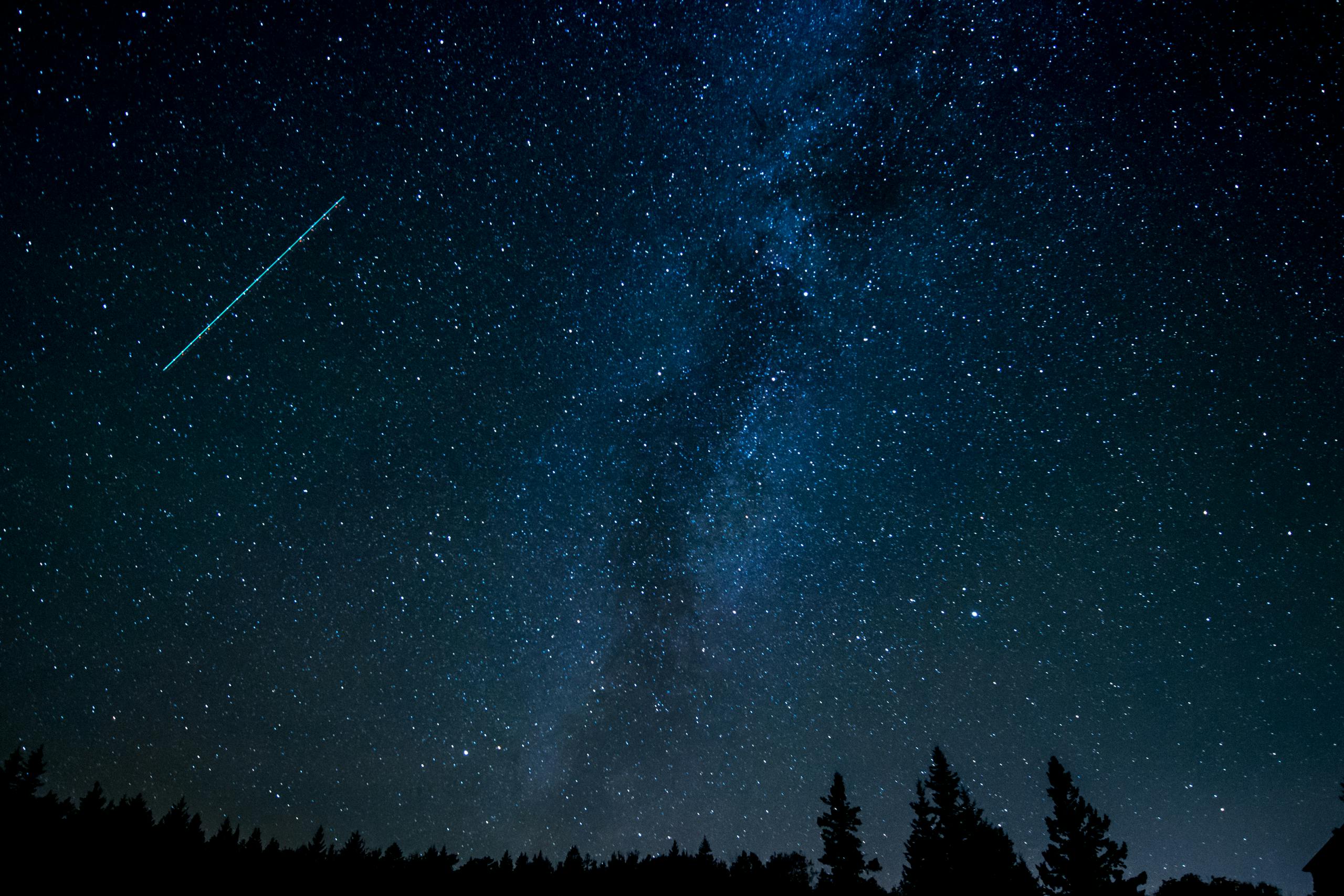
The Leonids meteor shower is gearing up for its 2025 appearance, offering skywatchers across the globe—especially in the United States—an opportunity to witness one of nature’s most reliable annual sky shows. Although this year won’t deliver a dramatic meteor storm like in some historic years, the display still promises a fascinating and scientifically rich event worth staying up for. With its high-speed meteors, historic outbursts, and a clear forecast for peak viewing, the 2025 Leonids remain a favorite for astronomy enthusiasts and curious observers alike.
What Exactly Are the Leonids?
The Leonids meteor shower occurs when Earth travels through the dust and debris left behind by the comet 55P/Tempel-Tuttle. This comet, discovered in 1865, completes its orbit around the sun roughly every 33 years, shedding particles along the way. As Earth sweeps through this trail annually, these particles enter the atmosphere at incredible speeds and burn up, creating the streaks of light we know as meteors.
The Leonids are known for being among the fastest meteors encountered by Earth, racing through the atmosphere at up to 44 miles per second. Their radiant—the point in the sky from where they appear to originate—is located in the constellation Leo, which is how the shower gets its name. While the meteors seem to come from Leo, you’ll actually spot longer and more dramatic trails by looking slightly away from the radiant.
Historically, the Leonids have been responsible for some of the most intense meteor storms ever recorded. In years like 1966 and 2002, skywatchers witnessed meteors “falling like rain,” with over 1,000 meteors per hour. These events occur when Earth passes through especially dense clumps of debris. However, 2025 is not expected to be a storm year, so the display will be much more modest compared to those extraordinary outbursts.
When and Where to Watch the 2025 Leonids
NASA reports that the 2025 Leonids will peak overnight on Sunday, November 23, into early Monday morning, though the shower remains active until December 2. The best views come after midnight and continue until dawn, giving plenty of time for patient observers to catch meteors streaking across the sky.
For the best results, it’s important to head to an open, dark area far from streetlights and city brightness. Once you’re settled, your eyes will need roughly 30 minutes to adjust fully to the darkness. During this time, avoid looking at screens or bright lights, as they can interfere with night vision.
NASA recommends orienting yourself with your feet toward the east and lying flat on your back to take in as much sky as possible. Even though the meteors appear to emerge from Leo, you’ll enjoy better, longer trails by looking away from the radiant rather than directly at it.
What to Expect This Year
Unlike storm years, the 2025 Leonids are expected to produce a modest three meteors per hour at peak under typical sky conditions. This number may vary depending on your viewing location, the clarity of the skies, and the level of light pollution in the area. While three meteors per hour isn’t a high count compared to the more dramatic meteor showers like the Perseids or Geminids, the speed and brightness of Leonid meteors make each one worth watching.
It’s also important to note that the Leonids have a predictable cycle influenced by the orbit of their parent comet. Since Tempel-Tuttle isn’t due to return near Earth until early 2031, meteor storms are not expected until around that period. Nonetheless, even in off-years, the Leonids deliver spectacular individual streaks.
Why the Leonids Are Scientifically Fascinating
The Leonids aren’t just a visual treat—they’re also valuable for scientific study. Because they travel so quickly, they create ionized trails in the atmosphere, which scientists use to study upper-atmospheric winds and other environmental conditions. Their high velocity also means they burn brighter and leave more persistent trains than many other meteor showers.
Additionally, the debris from Tempel-Tuttle provides insight into the composition and behavior of short-period comets. Each passage of the comet replenishes the dust trail, and comparing the Leonids over decades helps researchers understand how cometary debris spreads, disperses, and interacts with solar radiation.
Tips for First-Time Meteor-Shower Watchers
If you’re planning to watch the Leonids for the first time, here are some simple but highly effective tips:
- Find the darkest possible location. Light pollution severely limits visibility, so getting away from city lights is crucial.
- Dress warmly. November nights can be chilly, and meteor watching involves long periods of stillness.
- Use a reclining chair or sleeping bag. Comfort makes a major difference.
- Be patient. The Leonids reward those who stick around.
- Bring snacks and warm drinks. It improves the experience, especially if you’re watching with friends or family.
Extra: A Quick Look at Comet 55P/Tempel-Tuttle
Since the Leonids originate from Tempel-Tuttle, it’s worth learning a bit more about this comet.
Tempel-Tuttle is a periodic comet, meaning it follows a regular orbit that brings it back near the sun every 33 years. Its nucleus is relatively small compared to some other comets, but it sheds enough debris to fuel the Leonids each year. When the comet returns in 2031, astronomers expect an increase in Leonid activity in the years surrounding its passage—possibly even another meteor storm, depending on how dense the freshly released debris is.
The comet was independently discovered by astronomers Wilhelm Tempel and Horace Tuttle in 1865 and 1866, respectively. Its orbit is strongly influenced by Jupiter’s gravity, which helps explain the varying intensity of the Leonids from year to year. Jupiter’s gravitational pull can shift the debris streams, altering how thick or thin the fields are by the time Earth passes through them.
Additional Facts About Meteor Showers
To enrich your understanding of sky events like the Leonids, here are a few extra details:
- Meteor showers occur when Earth intersects a debris stream left by comets or asteroids. The debris particles, usually no bigger than grains of sand, burn up harmlessly upon entering Earth’s atmosphere.
- Meteor storms—like historic Leonid events—are rare but unforgettable. They occur when Earth passes through an unusually dense patch of debris.
- The brightness of a meteor depends on its size, speed, and composition. Fast meteors like the Leonids tend to be more dramatic.
- Most meteor showers repeat annually because Earth’s orbit is the same each year, so it crosses the same debris paths.
The Leonids are especially famous because of the unpredictability and intensity of their storm years, making them a favorite for both professional astronomers and casual stargazers.