New Research Shows Troubling Decline in Juvenile American Pikas in the Rocky Mountains
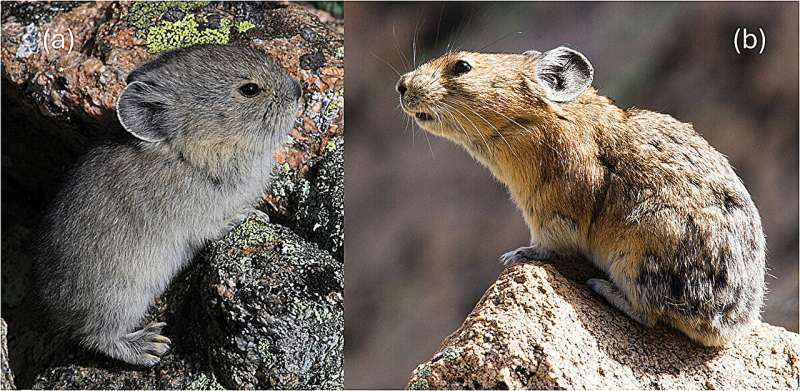
A new long-term study from the University of Colorado Boulder has revealed a concerning decline in juvenile American pikas, small mountain-dwelling mammals known for their round ears, fast movements, and loud squeaks that often surprise hikers in the Rocky Mountains. The findings are based on decades of population data from a single research site located about 10 miles south of Rocky Mountain National Park, and the results point to a dramatic drop in young pika recruitment over time. Although the cause isn’t confirmed, warming summers stand out as a strong potential factor.
The study, published in Arctic, Antarctic, and Alpine Research, compares pika population records from the 1980s with extensive data collected between 2004 and 2020, all from the same site at Niwot Ridge in Colorado. When researchers examined the age structure of the population, they found that the proportion of juvenile pikas had fallen by about 50% since the earlier research period. This means the population has increasingly become dominated by older adults, with fewer young pikas being born or migrating in to take their place.
The original surveys in the 1980s were led by Charles Southwick, a professor at CU Boulder who trapped, tagged, and monitored pikas across the rocky talus slopes of the area. Chris Ray, a pika expert at CU Boulder’s Institute of Arctic and Alpine Research, continued this work decades later using similar methods. Her team captured, tagged, and analyzed pikas from the same locations, ensuring consistency in the long-term dataset. Because the trapping and tagging methods didn’t substantially change, the sharp decline in juveniles cannot be explained by differences in research technique.
One of the clearest environmental changes at the site has been warmer summers. Over the years, temperatures at Niwot Ridge have increased, particularly in the form of higher “growing degree-days,” a measurement tied closely to heat accumulation during the warm season. Although the researchers stop short of claiming climate change is the definitive cause of the juvenile decline, the timing of the drop and the warming trend strongly coincide. Even so, they emphasize the need for caution, as complex ecological systems rarely have a single driver behind population changes.
The American pika has long been considered one of the most climate-sensitive mammals in North America. Unlike many animals, pikas cannot pant or sweat, meaning they struggle to release excess body heat. When temperatures rise above their comfort zone, they must retreat into cool crevices among the rocks to avoid overheating. This narrow thermal tolerance makes them vulnerable to even modest warming. Earlier studies as far back as 2015 have predicted that if warming trends continue, pikas could disappear completely from parts of their range, including Rocky Mountain National Park, by the end of this century.
Another issue highlighted by researchers is the difficulty juvenile pikas may have in moving between alpine habitats. To travel from one mountain area to another, a pika often has to descend to lower elevations before climbing back up. Those lower areas can become dangerously hot for the species, essentially creating “thermal barriers” that young pikas may not be able to cross. Reduced movement would mean lower genetic diversity and limited recolonization of new areas, both important factors for long-term survival.
The decline in recruitment documented at Niwot Ridge also raises questions about larger ecological impacts. Pikas rely on alpine talus slopes, which are part of broader high-elevation ecosystems that act as natural reservoirs. Snowpack, seasonal ice, and permafrost in these environments slowly release water throughout the summer, feeding rivers and supporting downstream water supplies. If changes in temperature or snow patterns affect pikas, this may signal wider disruptions in these important alpine systems. Researchers note that the pika’s sensitivity makes it an early indicator of shifts that could eventually affect human water resources.
Even with the dramatic decline reported, the study does not claim that all pika populations across the American West are facing the same trend. Pikas inhabit many different mountain systems from Montana to New Mexico, and environmental conditions vary significantly among those locations. Some populations have shown surprising persistence even in warmer, low-elevation areas where scientists expected them to disappear. Ray and her colleagues emphasize that the Niwot Ridge findings provide a crucial piece of the puzzle but are not necessarily representative of the entire region. They hope the data encourages similar long-term studies elsewhere.
Still, the changes documented at Niwot Ridge are difficult to overlook. Ray mentions that in earlier years, she occasionally encountered long-lived pikas that survived eight or nine years, a lifespan that suggested relatively stable conditions. Today, she notes, such long-lived individuals have become rare. The loud vocalizations commonly heard on rocky slopes—those distinctive high-pitched calls that hikers often remember—could become less common if juvenile recruitment continues to fall.
Below are some additional facts about the American pika that help put this study into context.
What Makes the American Pika Unique
American pikas are small mammals in the lagomorph family, making them relatives of rabbits and hares. They weigh around 5 to 7 ounces and are known for their distinctive behaviors, especially hay-piling—collecting grasses and storing them in mounds to dry for winter food. Because they do not hibernate, pikas rely heavily on these hay piles to survive long winters. Their dependence on cold climates and year-round access to alpine vegetation makes them especially vulnerable to shifts in seasonal weather patterns.
Why Temperature Matters So Much
Pikas have a very narrow temperature tolerance and can experience deadly overheating at temperatures as low as the mid-70s Fahrenheit if exposed for too long. This is why they often scurry between rocks and avoid long periods of direct sunlight. With summers warming across the Rockies, the conditions that once made high-elevation talus slopes ideal habitats may now be creating dangerous stress for pika populations.
How Alpine Ecosystems Connect to Human Water Supplies
The ecosystems that support pikas are also tied to natural water regulation. Melting snow and ice on high mountain ridges release water slowly throughout the warm months. As warming increases, snowpack may shrink earlier in the season, leaving less water available in late summer. Researchers highlight that understanding changes in species like pikas helps provide early warning signs about how these alpine systems may be shifting.
The Importance of Long-Term Ecological Research
Long-term studies like the one at Niwot Ridge are rare but invaluable. They allow scientists to track subtle changes that may go unnoticed in short-term research. In this case, because data from the 1980s existed, Ray and her co-author were able to identify a clear declining trend that might otherwise have remained hidden. This underscores the importance of ongoing ecological monitoring as climate patterns continue to evolve.
The findings from this study represent a significant signal that something is changing for one of the Rocky Mountains’ most recognizable animals. Whether the trend can be reversed, or whether similar declines are happening elsewhere, remains an open question—but the evidence is strong enough to encourage more research and more attention to the future of alpine species as the climate warms.
Research Paper:
https://doi.org/10.1080/15230430.2025.2570526