Severe Flooding Is Rapidly Cutting Global Rice Yields and Putting Billions at Risk
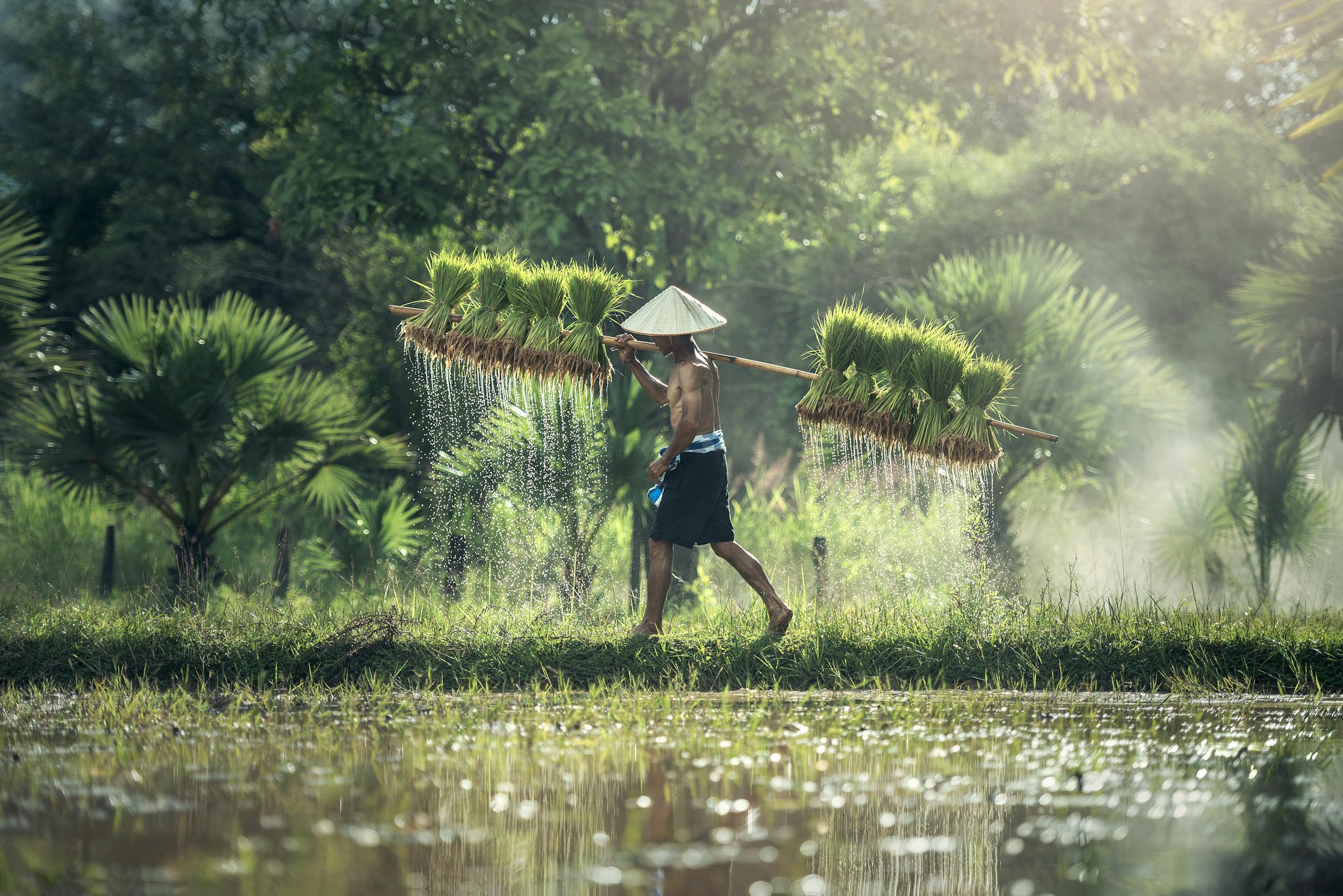
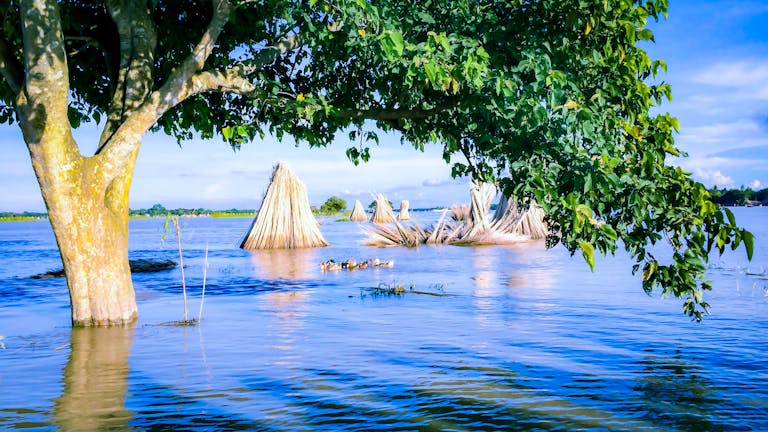
Rice is one of the most important foods on the planet, yet new research shows that the world’s rice supply is facing a much bigger threat from extreme flooding than previously understood. A major study from Stanford University reveals that severe floods have already been reducing global rice yields for decades, and the damage is accelerating as climate extremes become more common. While drought has long been recognized as a major danger for rice farmers, this new analysis makes it clear that flood-related losses are just as serious—and in some regions, even more destructive.
Below is a detailed breakdown of the findings, why they matter, and what this means for future food security. I’m also adding separate sections to help readers understand rice biology, how flooding impacts crop physiology, and why climate extremes are destabilizing global food systems.
Global Rice Losses Are Far Worse Than Expected
Between 1980 and 2015, severe floods reduced global rice yields by an average of 4.3% every year, which equals roughly 18 million tons of rice lost annually. This level of decline is huge, especially considering that rice is a primary food source for more than half of the world’s population.
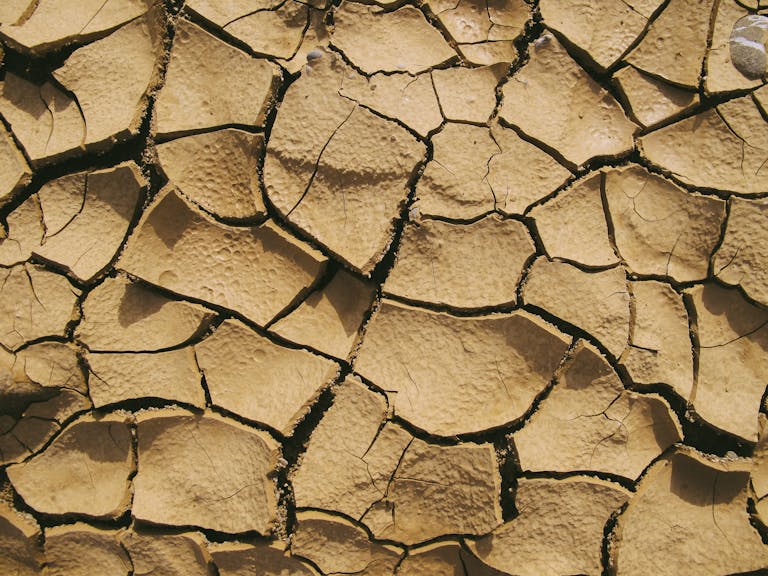
The study also examined droughts over the same period and found that drought conditions caused an average 8.1% reduction in yields per year. While drought damage was expected, the impact of floods had not been quantified on a global scale until now. And the results show that flooding is a major, underappreciated threat.
Even more concerning, the researchers discovered that flood-related losses have increased sharply since the year 2000. This timeframe aligns with an observed rise in extreme rainfall events across Asia and other major rice-growing regions. According to the study’s projections, the most extreme week of rainfall in major rice-producing basins could become 13% wetter in coming decades, making destructive flooding substantially more likely.
What Exactly Counts as a “Rice-Killing Flood”?
One of the most important contributions of this research is the clear definition of what makes a flood deadly for rice crops. Rice is unusual among staple crops because it actually benefits from shallow water during early growth—this helps with weed control, stabilization of temperature, and maintaining soil moisture. But rice also has strict limits.
The study identifies a very specific threshold: if rice plants are fully submerged for seven consecutive days, most of them die. This level of prolonged, deep flooding is what the researchers call “rice-killing floods.”
Using this criterion, the team analyzed flood and drought data dating back to the 1950s, combined with models of flood behavior, soil-moisture simulations, and records of global rice yields. This is the first time global data has been integrated in a way that exposes the large-scale impact of week-long submergence on rice crops.
Where the Damage Is the Worst
The losses are not evenly distributed across the world. Some of the hardest-hit regions include:
- North Korea
- East China
- India’s West Bengal region
- Indonesia
- The Philippines
- Nepal
These regions have experienced major yield declines from recurring flood events, especially in the last two decades. The study also highlights the Sabarmati Basin in India as an area where rice-killing floods are particularly long and destructive.
However, there are a few exceptions. One surprising example is India’s Pennar Basin, where floods appear to increase rice yields rather than decrease them. The researchers suggest that the basin’s hot and dry climate allows stagnant floodwater to evaporate quickly, preventing long periods of full submergence. This shows that climate and geography play large roles in determining whether floods end up being harmful or beneficial.
Why Floods Hurt Rice Even Though Rice Likes Water
Rice has an interesting relationship with water. It grows well in paddy fields, which are intentionally flooded to a shallow depth. But rice plants still rely on oxygen exchange, photosynthesis, and stable growing conditions. When they become fully submerged:
- Leaves can’t capture sunlight, which limits photosynthesis.
- Oxygen levels drop sharply, suffocating the plant.
- Longer submergence leads to buildup of toxic compounds in plant tissues.
- Stems weaken, making recovery difficult even after waters recede.
This is why floods lasting just a few days may cause damage, but once the seven-day threshold is crossed, the odds of plant survival drop dramatically.
Climate Change and the Future of Rice
The study’s findings fit neatly into what climate models have been predicting for years: extreme rainfall events—especially intense, short-duration rainfall—are becoming more common as the planet warms. Rice-growing regions across Asia are already seeing:
- More erratic monsoons
- Sudden, intense downpours
- Rapid transitions from drought to flood, and even flood to drought
These rapid swings are especially dangerous. Previous research shows that sequences of extreme weather (for example, drought followed by sudden flooding) can cause nearly double the yield loss compared to isolated events. The combination of heat stress, dry soil, sudden runoff, and deep flooding is a major threat to crop stability.
Given that the global population is rising and rice demand is increasing, the intensification of climate extremes poses a serious food-security challenge.
What Can Be Done?
The researchers point to flood-resistant rice varieties as one of the most promising solutions. Several flood-tolerant rice strains exist already, including those bred to survive short-term submergence using traits from traditional rice varieties. Wider adoption of these varieties in high-risk regions could significantly reduce losses.
Other strategies include:
- Better water-management systems
- Improved forecasting and early-warning tools
- Adjusting planting schedules to avoid flood-prone months
- Strengthening regional infrastructure to prevent long-lasting waterlogging
Mitigation won’t be easy, especially in poorer nations that face both environmental challenges and resource constraints. Still, the study emphasizes that understanding how different extreme events interact—floods, droughts, heat waves, cold spells—is key to preparing for the future.
Why This Study Matters for Global Food Security
The global rice system is extremely fragile, and many of the countries that rely heavily on rice also have limited capacity to buffer against crop failures. An annual loss of 18 million tons of rice is not just an agricultural concern—it affects global trade, food prices, household nutrition, and geopolitical stability.
If flood intensity continues increasing, even a small percentage decline in yields can have massive upstream and downstream consequences.
This research gives policymakers, farmers, and scientists a clearer picture of where the risks are highest and what types of interventions will be most effective. It also highlights that climate-related threats to food systems are complex, interconnected, and often underestimated.
Understanding these dynamics is crucial if we want to keep rice—one of humanity’s most important foods—resilient in a world of intensifying climate extremes.
Research Paper:
Severe Floods Significantly Reduce Global Rice Yields (Science Advances, 2025)
https://www.science.org/doi/10.1126/sciadv.adx7799