Right-Side Vagus Nerve Pathway Reveals a Strong Link Between Digestion and Brain Reward Signals

A new study published in Cell Reports sheds light on a fascinating asymmetry inside one of the body’s most important communication highways—the vagus nerve. This nerve connects the gut and the brain, carrying signals that help shape appetite, food preferences, and even emotional responses. Researchers from the University of Texas at Dallas have now shown that the right branch of the vagus nerve plays a significantly stronger role in transmitting nutritional and reward-related information compared to the left.
The study marks a major milestone for lead author Hailey Welch, a doctoral student in cognition and neuroscience. After years of work in the Motor and Habit Learning Lab led by Dr. Catherine Thorn, Welch became the first author of a peer-reviewed academic paper investigating how different branches of the vagus nerve influence dietary behaviors. The research draws attention to a simple but powerful insight: reward signaling in the gut–brain axis appears to be strongly lateralized, leaning toward the right side.
What the Researchers Found
The vagus nerve contains two main branches—left and right—and while both transmit sensory information from the digestive system to the brain, their roles are not identical. Earlier work from Thorn’s lab had hinted at functional differences, but this study provides the strongest evidence yet.
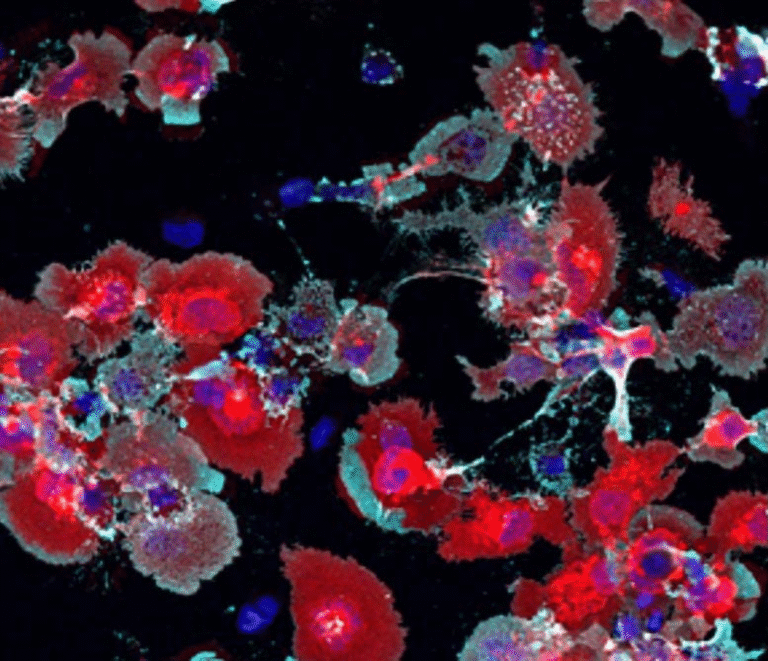
Welch used a combination of genetic sequencing, cell imaging, and functional assays in rodents to chart the characteristics of sensory neurons in both branches. She discovered that the right vagus nerve houses a distinct population of sensory neurons specialized in detecting nutritional signals. Interestingly, the left side contains about half as many of these nutrient-sensing neurons.
These right-side neurons are closely tied to the release of dopamine, the well-known “feel-good” neurotransmitter associated with reward, motivation, and reinforcement. When these neurons are activated by signals from the digestive system—especially signals related to fat and sugar—the brain’s reward circuits respond more strongly.
This finding gives scientific context to something many people experience daily: the persistent human craving for energy-dense foods. In ancient environments, these cravings helped humans survive. But in today’s world—with constant access to high-fat and high-sugar foods—this instinct can lead to obesity and metabolic disorders.
Why the Right Side Matters
The asymmetry discovered in this study adds a new layer to the understanding of gut-brain communication. The right vagus nerve’s enriched set of nutrient-sensitive neurons provides a possible explanation for why certain foods trigger stronger reward responses.
These neurons communicate directly with brain regions involved in evaluating food, forming preferences, and reinforcing behaviors. Because the right side appears to dominate this process, it suggests that gut reward signaling isn’t evenly distributed—the body may be wired to favor certain pathways for reinforcing eating habits.
Building on the results, Welch and the lab plan future experiments that involve lesioning (selectively disabling) the specific right-side neurons they identified. This will help determine whether disrupting these neurons changes animals’ preference for high-fat foods. If food preferences shift significantly, it would offer causal proof that these neurons play a critical role in dietary decision-making.
How This Could Influence Health and Medicine
Although the research is still in early stages and conducted in animals, the potential implications are wide-ranging.
Dr. Thorn points out that reward-processing circuits influenced by the vagus nerve are involved in more than eating. They may also affect movement disorders, addiction, and depression. If scientists can identify and manipulate the specific vagal pathways responsible for reward, new treatments might emerge for conditions linked to motivation or reward deficits.
This research adds to the growing interest in therapies such as vagus nerve stimulation (VNS). VNS is already used for certain forms of depression and epilepsy, but most treatments stimulate the left branch of the nerve. Understanding the side-specific functions opens the door to new strategies—possibly including targeted right-side stimulation for metabolic or motivational disorders.
A Closer Look at the Vagus Nerve
For readers unfamiliar with the vagus nerve, here are some useful details:
The Role of the Vagus Nerve
The vagus nerve is one of the body’s main communication routes, running from the brainstem through the neck, chest, and into the abdomen. It carries signals in both directions:
- From the gut to the brain: information about nutrients, stretch, inflammation, hormones, and toxins.
- From the brain to organs: control of digestion, heart rate, immune responses, and more.
About 80–90% of the vagus nerve’s fibers are sensory, meaning they send information upward to the brain.
How It Affects Eating Behavior
Recent scientific advances have shown:
- Different vagal neurons detect fat, sugar, mechanical stretch, and toxins.
- Each type triggers different responses—some lead to satiety, others to reward.
- Stimulation of fat- or sugar-sensitive vagal neurons increases dopamine, reinforcing the desire for those foods.
- Combining sugar and fat can produce even stronger responses, explaining why foods like pastries, ice cream, or fries feel so irresistible.
The new research builds on this foundation by highlighting that these nutrient-reward circuits are not symmetrical—they may be right-dominant.
Why Lateralization Matters
In the nervous system, lateralization—when one side behaves differently from the other—often indicates specialized functions. Examples include:
- Language processing (usually left)
- Spatial awareness (usually right)
- Emotional tone in speech
- Motor-skill specialization
Finding lateralization in the vagus nerve means the body may have a “preferred route” for certain internal signals. Understanding this route could lead to highly targeted interventions.
The Research Journey Behind the Study
Hailey Welch’s scientific background adds personal depth to the research. Growing up in Oklahoma, she developed an early passion for neuroscience. As an undergraduate, she studied the relationship between iron deficiency and dopamine, which likely contributed to her interest in reward mechanisms.
Describing herself as a food enthusiast who loves cooking and experimenting with new flavors, Welch found a natural connection between personal curiosity and scientific exploration. Once she joined Dr. Thorn’s lab at UT Dallas—originally drawn there for its strong work in pain science—she discovered that studying gut-brain communication aligned perfectly with her interests.
Her determination paid off. Scientific research often involves experiments that don’t work on the first try, but her persistence allowed her to chart new territory in understanding how the body shapes behavior from the inside out.
What This Means for the Future
This study opens several promising pathways:
- Mapping specific neuron types in the right vagus nerve to identify which ones directly influence reward.
- Testing interventions that alter these pathways to see how eating behavior changes.
- Translating findings to humans, a crucial step before any clinical applications.
- Revisiting VNS therapy, possibly developing right-side stimulation protocols tailored to metabolic or motivational disorders.
By deepening the scientific community’s understanding of how the gut and brain communicate, researchers hope to eventually design better treatments for conditions linked to diet, reward sensitivity, motivation, and even emotional well-being.
Research Reference
Molecular and Functional Asymmetry in Cckar-Expressing Vagal Sensory Neurons
Cell Reports (2025)
https://doi.org/10.1016/j.celrep.2025.116507