New Research Challenges the Idea That the Gut Microbiome Causes Autism
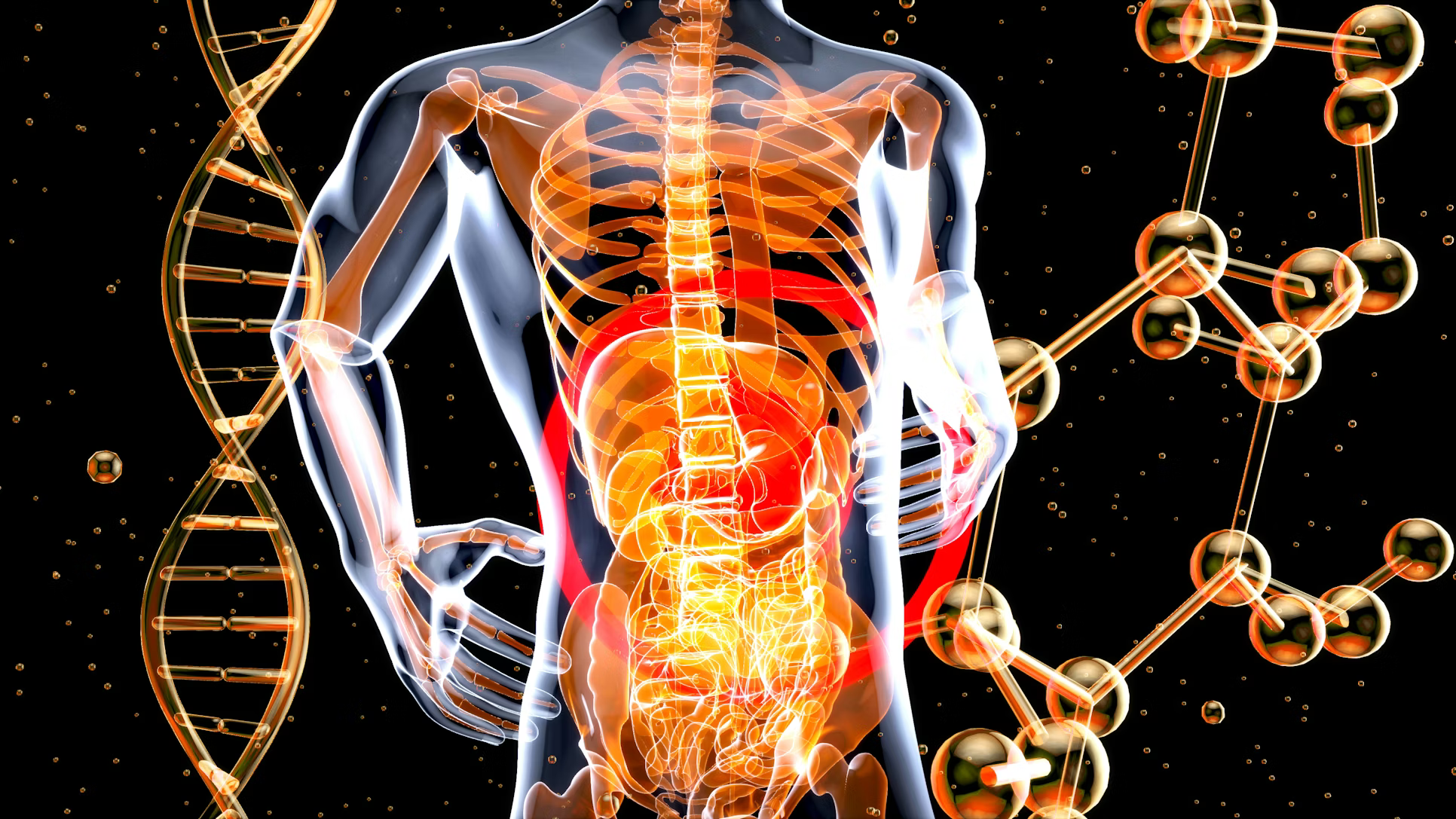
A new opinion paper published in Neuron has sparked wide discussion in the scientific community by arguing that there is no reliable scientific evidence showing that the gut microbiome plays a causal role in autism. The authors reviewed years of studies—ranging from human observational research to mouse models and clinical trials—and concluded that the entire line of investigation suffers from major conceptual and methodological flaws. Because this topic has influenced public opinion, parental decisions, clinical practices, and even commercial probiotic products, the paper’s conclusions are worth understanding in detail.
The researchers, led by developmental neurobiologist Kevin Mitchell and developmental neuropsychologist Dorothy Bishop, state that popular claims about gut bacteria driving the development or expression of autism have been based on small samples, inconsistent methods, contradictory findings, and flawed statistics. They argue that the idea has persisted more because of public enthusiasm and media narratives than because of strong, reproducible evidence.
Below is a straightforward breakdown of the specifics covered in the paper, along with additional context to help readers better understand the broader science behind autism research and microbiome studies.
Why the Microbiome Theory Became Popular
The hypothesis that the gut microbiome might influence autism took hold for a few clear reasons. Many autistic individuals experience gastrointestinal issues, such as chronic constipation, diarrhea, or discomfort. These symptoms naturally led researchers to wonder whether the gut and brain might be interacting in meaningful ways.
At the same time, autism diagnoses have increased over the past few decades. Although scientists widely agree that the rise reflects greater awareness, better diagnostic criteria, and more inclusive definitions, some people assumed that environmental or behavioral changes—such as dietary trends—must also be involved. This opened the door for speculation that the microbiome might be one of these environmental factors.
Enthusiasm grew as early studies tried comparing the gut bacteria of autistic and non-autistic individuals. Some found differences in microbial diversity or the presence of certain bacterial groups. These findings fed the narrative that modifying the microbiome could change autism characteristics.
However, the new paper argues that these early studies were fundamentally limited and their conclusions have been overstated.
Problems With Observational Microbiome Studies
Many of the most cited studies that compared the microbiomes of autistic and non-autistic groups used sample sizes as small as seven to 43 individuals per group. For conditions as common and variable as autism, the authors explain that statistical guidelines recommend sample sizes in the thousands to detect meaningful, reliable differences.
Small samples are only the first issue. Different studies used different sequencing technologies, sample storage methods, and analysis pipelines. This lack of standardization makes results difficult to compare or replicate. Even more importantly, the differences reported across studies are often contradictory. Some papers claim autistic individuals have lower microbial diversity; others report higher diversity. Some highlight specific bacterial species as depleted in autism; others identify the same species as enriched.
When these studies attempted to control for factors such as diet—one of the strongest influences on gut bacteria—the differences between autistic and non-autistic participants typically disappeared. The same thing happened when autistic children were compared to their non-autistic siblings, who often share similar lifestyles and diets.
Based on these inconsistencies, the authors say there is stronger evidence for a reverse effect: autism-related behaviors, sensory preferences, and dietary patterns may influence the microbiome, not the other way around.
Why Mouse Models Fall Short
Scientists often rely on mice to study biological mechanisms, but a major problem arises when mouse behavior is used as a proxy for human autism. The authors of the new paper argue that so-called “autistic-like behaviors” in mice have no validated relevance to actual autism in humans. Behaviors like repetitive grooming or reduced social exploration are commonly used as stand-ins for autistic traits, but these links are speculative and lack biological grounding.
Some earlier microbiome–autism claims came from experiments where altering the gut bacteria of mice appeared to change these mouse behaviors. But the new analysis points out that these experiments frequently had statistical issues, inadequate controls, and questionable interpretations. As a result, the authors argue that the animal evidence for microbiome-caused autism is unconvincing.
Issues With Human Clinical Trials
Several clinical trials attempted to treat autism by modifying the gut microbiome. These included fecal microbiota transplants (FMTs), probiotic interventions, and various dietary programs.
The new paper notes that most of these studies suffered from serious limitations:
- Small sample sizes, sometimes fewer than 20 participants
- Lack of randomization or control groups, making results impossible to interpret cleanly
- Inappropriate statistical methods, such as overstated effect sizes
- Failure to account for placebo effects, which can be strong in behavior-focused interventions
Well-designed trials that used proper controls generally reported no significant changes in autism characteristics after microbiome-based treatments.
Because of these limitations, the authors argue that existing clinical trials cannot be used to claim microbiome causation or therapeutic effectiveness.
Why the Authors Say the Field Has Hit a Dead End
After reviewing all three major categories of evidence—observational studies, mouse research, and clinical trials—the authors conclude that the microbiome-autism hypothesis lacks a coherent, reproducible foundation. They argue that the theory has not progressed meaningfully despite years of attention and resources.
They offer two possibilities for the field’s future:
- Researchers should stop pursuing this line of investigation, since the evidence does not justify continued effort; or
- If researchers choose to continue, they must adopt far more rigorous methods, including large samples, standardized techniques, strong controls, and careful statistical analysis.
Understanding Autism Research Beyond the Microbiome
Autism is known to be a highly genetic condition, with hundreds of genes—mostly involved in brain development—playing a role. Studies continue to explore how these genes influence neural connectivity, sensory processing, communication development, and social behavior.
Environmental factors do play roles in development, but current evidence points mostly to prenatal factors, not gut bacteria or diet-driven changes later in life. The gut microbiome still matters for health, especially digestive and immune function, but its role in autism specifically remains unsupported.
What We Actually Know About the Human Gut Microbiome
Because the study criticizes microbiome research, it helps to understand the broader challenges in this field. Gut microbiome science is complex because:
- Diet heavily alters microbial composition, often more than any other factor.
- The microbiome varies widely person to person and even within the same person day to day.
- Many species in the microbiome are still poorly characterized.
- Statistical tools for microbiome studies can easily produce false positives if not carefully controlled.
These issues don’t mean microbiome science is flawed overall, but they highlight why linking gut bacteria to specific disorders—especially neurological ones—requires extremely high-quality evidence.
The Bottom Line
The new Neuron paper strongly argues that there is no causal link between the gut microbiome and autism based on the evidence available so far. Many previous studies suggesting such a link were limited by small samples, inconsistent methodologies, flawed animal models, or weak clinical trial designs. While gastrointestinal issues are common in autistic individuals, the current data suggest these symptoms reflect differences in lifestyle, diet, and sensory patterns rather than a microbiome-driven mechanism.
Researchers emphasize that autism remains primarily a genetic condition, and while the microbiome is important for overall health, it does not appear to determine whether someone is autistic.
Research Reference:
https://www.cell.com/neuron/fulltext/S0896-6273(25)00785-8