Long-Term Cattle Research Highlights How Early Decisions Shape Feedlot Performance
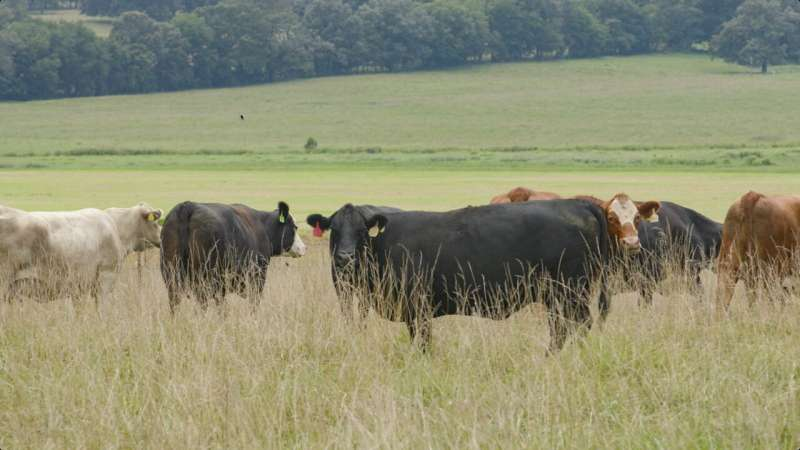
Long-term cattle research rarely gets the attention it deserves, mostly because it’s difficult and expensive to follow animals across every stage of the beef production chain. Yet a new collection of studies published in a special issue of Applied Animal Science takes that challenge head-on, pulling together years of work on calf health, nutrition, and management to understand how early-life decisions ripple all the way to feedlot performance and, ultimately, the beef that reaches our plates.
This special issue was guided by researchers Daniel Rivera from the University of Arkansas System Division of Agriculture and Paul Beck from Oklahoma State University. Their goal was simple but ambitious: bring clarity to the gaps caused by the highly segmented nature of the U.S. beef industry, where cow-calf operations, stocker systems, and feedlots often function in separate regions and under separate management. Because of this fragmentation, long-term studies that follow cattle from birth to slaughter are surprisingly rare, leaving many unanswered questions about how early conditions influence final outcomes.
The special issue includes seven original research studies and two review articles. Rivera and Beck summarized them into three major themes — health, nutrition, and production and management — and their conclusions highlight both what the industry knows and what it urgently needs to explore further.
Health Research: Vaccination Effects and Long-Term Outcomes
One part of the special issue focuses on how early-life respiratory vaccinations affect calves and their mothers. Respiratory illnesses like bovine respiratory disease (BRD) are among the most costly health challenges in cattle production, so understanding vaccine timing is crucial.
The studies reviewed found that vaccinating young calves at 30 to 90 days old often produced limited or inconsistent long-term effects. One research team suggested that young calves who remain close to home and experience low pathogen exposure may not respond strongly to vaccination simply because they aren’t stressed or challenged enough for immunity to build. Another study observed that even though recent work shows some benefits to vaccinating calves while they still carry maternal antibodies, these benefits do not appear to extend into the feedlot stage.
Another interesting finding came from vaccinating pregnant cows. When dams were vaccinated for BRD before giving birth, some studies noted improved colostrum quality and quantity. Colostrum is the calf’s first, nutrient-rich feeding, and higher-quality colostrum could influence calf immunity and early survival. Some evidence even suggested that improving colostrum might lower sickness and death rates later in the feedlot, but researchers emphasized that more work is needed to confirm this.
A broader review covering multiple states from 2008 to 2023 found a clear pattern: as treatments for BRD increased before the stocker phase, average daily weight gain decreased both during grazing and at the feedlot. This indicates a strong connection between early respiratory problems and reduced long-term productivity — a finding with obvious financial implications for producers.
Nutrition Research: Supplementation Strategies and Their Outcomes
The nutrition-focused studies evaluated whether different supplementation strategies during cow-calf or stocker phases had any lasting influence on feedlot results.
One three-year study compared fixed supplementation rates with flex supplementation, a strategy where supplement amounts change based on real-time conditions like weather or forage availability. Researchers found no significant differences in later feedlot performance, suggesting that flex supplementation may be a more cost-effective option for winter feeding without harming long-term outcomes. Still, the authors cautioned that past studies on the topic show inconsistent results.
Another study stretched across four years and compared cattle grazing late-season rangeland with no supplement versus those receiving wet distillers’ grain or a soybean–milo mix. Steers receiving supplements gained more weight while grazing, but those early advantages did not carry over into finishing performance or carcass traits. This is a recurring theme in cattle nutrition research — short-term gains do not always translate to long-term benefits.
Production and Management Research: Weaning, Grazing, and Stocking Rates
The third category of studies examined how everyday management decisions affect cattle through the entire production cycle.
Weaning methods were a major focus. Options like fence-line weaning are designed to reduce stress by allowing calves to remain close to their mothers without nursing. The research found that fence-line weaned calves did show higher daily weight gain during the first 30 days of backgrounding on bermudagrass hay and dried distillers grain, but these advantages did not reappear in feedlot performance or carcass characteristics after the calves were shipped 18 hours to a commercial feedlot.
Another study compared beef and dairy steers that grazed for 217 days before entering a feedlot with those shipped directly after weaning. Grazed steers showed greater average daily gain, higher feed consumption, better feed efficiency, and required fewer days on feed than their non-grazed counterparts. This suggests that longer grazing periods can offer lasting performance benefits — at least for certain breeds and systems.
Research also explored cattle grazing on toxic tall fescue, a notorious issue in parts of the U.S. Tall fescue containing toxic endophytes can cause heat stress, reduced weight gain, and reproductive problems. However, despite clear grazing challenges, the studies reviewed found limited evidence of long-term feedlot impacts, though available data were sparse.
Finally, one of the largest datasets in the issue examined nearly 2,000 cattle records from 1978 to 2012 to understand how stocking rate — the number of cows maintained on a given acreage — affects calf performance. The results were straightforward: high stocking rates tended to reduce calf performance before weaning. Other important factors included calving season, cow age, calf sex, and stocking rates during both gestation and lactation.
Why Long-Term Studies Are Difficult — and Why They Matter
The researchers behind this special issue highlight a real challenge: following cattle through every phase of production requires geographic coordination, long-term funding, and collaboration among universities and ranches that operate under very different conditions. Most feedlots are located in the Great Plains, while cow-calf operations are often elsewhere, making it logistically tricky for universities outside the Plains to track animals until slaughter.
Rivera and Beck argue that the industry needs standardized data collection and multi-location collaboration to fill the gaps in long-term cattle research. They emphasize that understanding how early-life health, nutrition, and management decisions shape feedlot performance is crucial not only for science, but also for economic efficiency in a competitive global beef market.
Building such research networks would require experts across many specialties — nutrition, reproduction, physiology, genetics, meat science, and agricultural economics — working together to study cattle from birth to harvest.
Additional Background: Why Feedlot Performance Matters
Feedlot performance measures how efficiently cattle convert feed into weight gain before slaughter. Factors like average daily gain, feed conversion, and carcass characteristics strongly influence profitability. Because feed is the largest cost in finishing cattle, even small gains in efficiency can significantly improve margins.
Understanding what influences performance — especially early-life factors — allows ranchers and feedlot operators to make more informed decisions about breeding, vaccination schedules, grazing practices, and nutrition programs.
Research Reference
Perspective and Commentary: Summary of the Special Issue on Calf and Stocker Performance Effects on Feedlot Performance and Thoughts on Future Research – https://doi.org/10.15232/aas.2025-02716