How Southern California Neighborhoods Are Preparing for the Rise in Black Bear Encounters
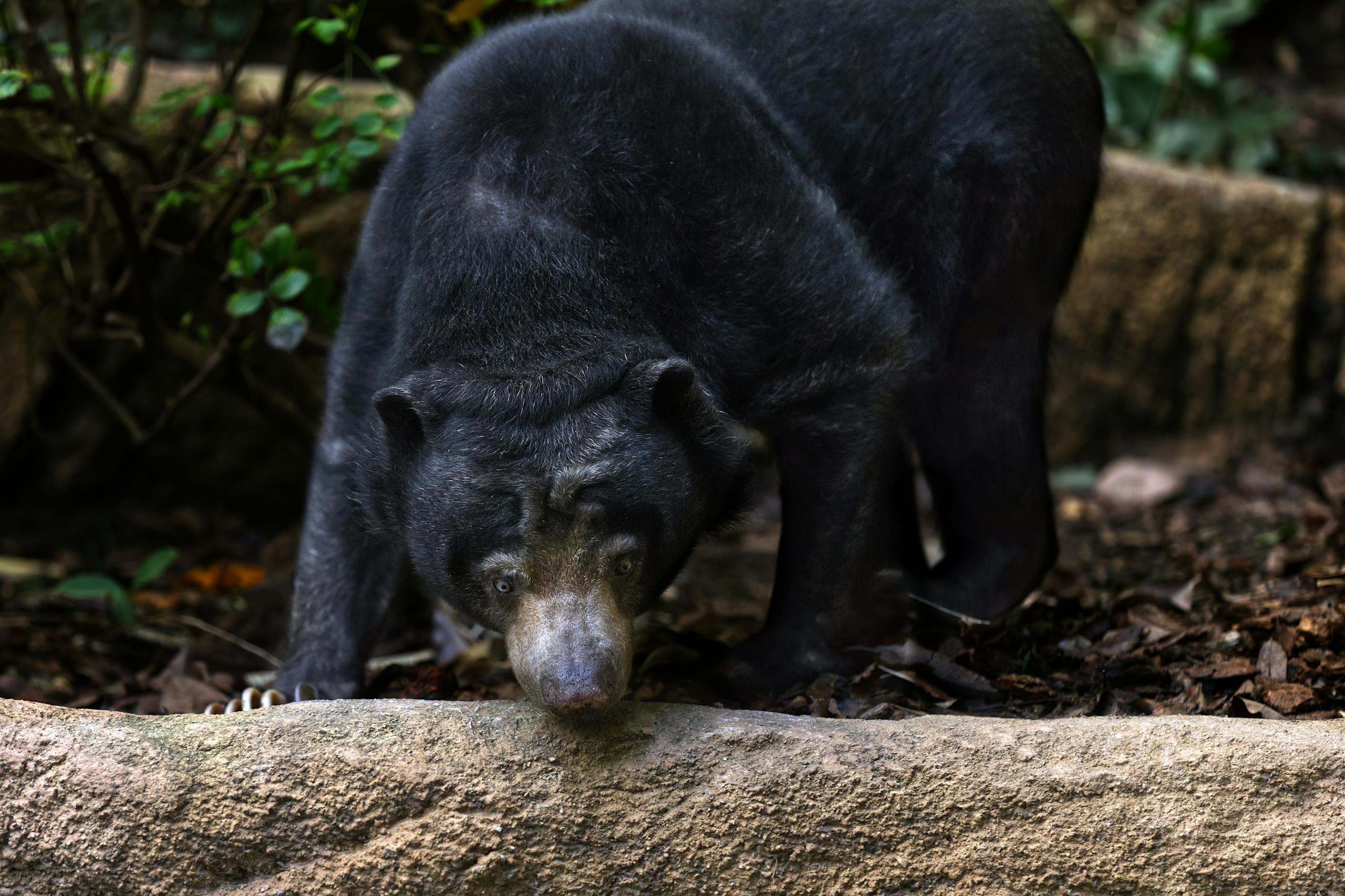
Black bear encounters are becoming a familiar part of life in Southern California’s foothill communities, and researchers say this trend is only going to grow. With more frequent sightings during dry seasons, increased reliance on human-generated food sources, and expanding habitat ranges, communities from Arcadia to the edges of Los Angeles are being encouraged to rethink how they coexist with these adaptable animals. This article breaks down the specifics of the situation, what scientists are learning, and what neighborhoods can realistically do to reduce conflict. It also includes broader information about black bears so readers can better understand why these animals behave the way they do.
The Rise of Black Bear Sightings Near Urban Neighborhoods
UCLA researcher Wilson Sherman, a doctoral student at the Institute of the Environment and Sustainability, has been studying the growing overlap between humans and black bears in Southern California. The overlap is most noticeable in foothill communities bordering the San Gabriel Mountains, where bears regularly appear in yards, on streets, and around trash cans. According to Sherman, as climate-driven drought conditions push bears to seek alternative food, encounters in populated areas have notably increased.
As the fall season approaches each year, bears enter hyperphagia, a stage when they consume massive amounts of calories to prepare for winter. Neighborhoods become especially tempting during this period. Sherman explains that bears quickly recognize that rummaging through trash bins, compost piles, and unsecured food waste offers far more calories with far less effort. This pattern trains bears to revisit residential areas, creating a cycle of dependency that becomes hard to reverse.
How Black Bears Returned to Southern California
Many people assume black bears have always roamed Southern California, but the region’s bear history is more complicated. Thousands of years ago, fossil evidence confirms black bears lived throughout the area. Over time, however, California grizzlies came to dominate the landscape—so much so that by the late 1700s, they were the primary bear species observed by both Indigenous communities and Spanish settlers.
Grizzlies eventually disappeared due to aggressive hunting and habitat loss, with the last known Southern California grizzly reportedly killed in 1916. After their disappearance, the region went without any resident bear population until the 1930s, when black bears were introduced under unusual circumstances.
Inspired by Yosemite National Park’s once-popular “trash-fed bear arenas,” where visitors watched bears eat from fenced-in garbage pits, wildlife officials brought about 30 black bears to Southern California in 1933. Although the goal involved public entertainment at the time, the bears were eventually released into nearby mountain ranges. That population flourished. Today, black bears in the region contribute to California’s estimated 60,000 black bears statewide.
Limited Resources for Wildlife Management Agencies
While communities experience more encounters, state wildlife agencies are struggling to meet rising demands. The California Department of Fish and Wildlife has limited staff dedicated to carnivore-related incidents in dense metropolitan areas. According to Sherman, only two biologists are assigned to cover Los Angeles, Orange, and San Diego counties combined. This staffing shortage leaves agencies unable to respond with the level of support communities expect.
Southern Californians often take a mostly observational and protective attitude toward wildlife, unlike regions where hunting culture still shapes how agencies are structured. This mismatch, rooted in historical management models, affects funding allocations and leaves agencies underprepared for rapid shifts in human-wildlife interaction patterns.
The Role of Social Media in How Communities Perceive Bears
One of the unique aspects of Sherman’s research is his focus on how bears appear in digital spaces. Platforms like Nextdoor are flooded with videos from doorbell cameras showing bears wandering through neighborhoods or cooling off in backyard pools. Compared to iNaturalist, a standard field reporting tool used by ecologists, Nextdoor contained 11 times more bear and coyote sightings in the neighborhoods he studied.
This difference highlights how community reporting habits can influence public perception, shape neighborhood conversations, and affect expectations for wildlife management. Comment sections on these posts often explode with reactions ranging from excitement to concern, revealing how cultural attitudes evolve through online discourse.
Sherman argues that people’s fascination with bears can be just as problematic as fear-driven responses. Enthusiastic filming, feeding, or intentionally approaching bears increases the likelihood that bears will become comfortable around humans, leading to dangerous encounters and, in many cases, lethal outcomes for the bears.
Practical Steps Communities Can Take
Researchers and wildlife agencies strongly emphasize reducing attractants and establishing clear boundaries. These measures include:
- Bear-lock trash bins, which prevent bears from accessing garbage even if bins are knocked over.
- Keeping doors and windows secured, especially at night.
- Using noise deterrents such as air horns to haze bears away.
- Installing electric “unwelcome mats” if bears repeatedly try to enter a property.
These straightforward tools help reinforce the idea that neighborhoods are not reliable food sources.
Bears Are Expanding Their Range Faster Than Expected
Even with strong community prevention strategies, bears continue to explore new territory. Major projects like the Wallis Annenberg Wildlife Crossing, designed to reconnect fragmented habitats across major highways, are expected to make it easier for bears to move into areas previously considered inaccessible.
Evidence of this expansion already exists. A female bear known as BB14, originally relocated from Claremont, traveled through the Los Angeles forest, into Topanga Canyon, and eventually gave birth to three cubs. She has even been spotted on the Pepperdine University campus, surprising communities that are not accustomed to bear activity.
Sherman warns that these areas are currently unprepared for regular bear presence. Increasing wildlife connectivity without matching it with community readiness can lead to safety concerns and strained resources.
Why Urban Ecology Matters
Sherman’s work blends ecological science with social science, highlighting the need for interdisciplinary approaches. Traditional wildlife studies tend to focus solely on animal behavior, but urban ecology treats cities as active parts of wildlife habitat. This perspective acknowledges that humans, infrastructure, and culture shape the landscape just as much as mountains and forests do.
Coexistence depends on making urban spaces more compatible with wildlife while ensuring communities have the knowledge and tools to maintain safe, respectful boundaries.
Additional Information About Black Bears
To help readers understand the species better, here are key facts about black bears that relate directly to suburban encounters:
- Black bears have an extraordinary sense of smell—seven times stronger than a bloodhound’s—which is why unsecured trash attracts them so easily.
- They are highly adaptable and can live in forests, mountains, deserts, and suburban edges.
- Contrary to their name, black bears come in multiple colors, including brown, cinnamon, and even blonde.
- They are generally not aggressive unless cornered, startled, or defending cubs.
- Habituation, where bears become accustomed to human presence, is the biggest predictor of conflict and often leads to negative outcomes for the animals.
Understanding these traits helps explain why prevention strategies focus so much on eliminating food attractants and reinforcing barriers.
Research Paper:
The wildlife nextdoor: Socioeconomics and race predict social media carnivore reports
https://doi.org/10.1016/j.scitotenv.2025.179227