Middle-Aged Brains Show Remarkable Ability to Repair and Preserve Memory With Stem Cell-Based Treatment
Normal aging almost always comes with cognitive changes. Learning new information can take longer, memory may feel less reliable, reaction times slow down, and tasks that require mental flexibility can become more challenging. These changes, often described as normal cognitive aging, are well documented, but scientists are still trying to fully understand what drives them and, more importantly, whether they can be slowed or reversed.
A new study from researchers at Boston University Chobanian & Avedisian School of Medicine offers encouraging news. The research suggests that middle-aged brains may have a far greater ability to repair, adapt, and maintain cognitive function than previously believed—especially when supported by the right therapeutic intervention.
The study focuses on a treatment made from extracellular vesicles (EVs), tiny natural particles released by stem cells found in bone marrow. According to the researchers, these vesicles were able to slow and even reverse certain aspects of age-related memory decline in a model closely related to humans.
What Are Extracellular Vesicles and Why Do They Matter?
Extracellular vesicles are microscopic, membrane-bound particles released by cells as a way to communicate with other cells. They carry a diverse cargo of proteins, lipids, and RNA molecules, all of which can influence how recipient cells behave.
In this study, the vesicles were derived from mesenchymal stem cells, a type of stem cell known for its regenerative and anti-inflammatory properties. Instead of transplanting whole stem cells, the researchers used only the vesicles they secrete, making this a cell-free therapeutic approach. This is important because it potentially reduces safety concerns while still delivering beneficial biological signals.
The EVs used in the study are believed to help reduce inflammation, protect brain cells from age-related stress, and support communication between different types of brain cells, including neurons and glial cells.
Why Middle Age Was the Focus
Rather than studying very old subjects, the researchers chose to work with middle-aged individuals, a stage of life when cognitive decline often begins but is not yet severe. This timing is crucial because it reflects a period when intervention may still be highly effective.
By targeting this window, the study aimed to answer an important question: Is cognitive aging inevitable, or can the brain be supported before major decline sets in?
Inside the Study Design
The research was conducted using rhesus monkeys, a species frequently used in neuroscience research because their brain structure and cognitive abilities closely resemble those of humans.
The subjects were divided into two groups. One group received regular infusions of extracellular vesicles obtained from young, healthy donor stem cells. These infusions were given every two weeks over a period of one and a half years. The control group received a similar treatment schedule but without the vesicles.
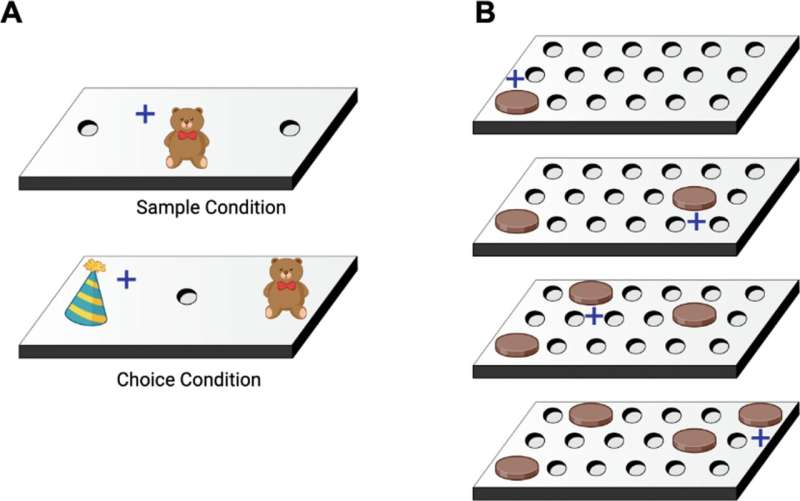
Before, during, and after the treatment period, all subjects underwent a series of memory and learning tests. These included well-established tasks such as the Delayed Non-Matching to Sample and the Delayed Recognition Span Task—Spatial, which are commonly used to measure working memory and cognitive flexibility.
In addition to behavioral testing, the researchers used MRI scans to examine the brain’s structure and function. These scans focused on how efficiently different brain regions communicated with one another and the health of white matter connections, which play a key role in fast and accurate information processing.
What the Researchers Found
The results were striking. Subjects that received the extracellular vesicle treatment showed better working memory performance compared to the control group. Even more importantly, their cognitive abilities remained more stable over time, suggesting that the treatment helped preserve memory skills rather than simply producing short-term improvements.
MRI scans revealed that the treated group also had healthier brain connections, particularly in white matter pathways that tend to deteriorate with age. These connections are essential for efficient communication between different brain regions, and their preservation is closely linked to cognitive performance.
In contrast, the control group showed more typical signs of age-related decline, both in memory tests and in measures of brain connectivity.
Together, these findings suggest that extracellular vesicles not only support cognitive function but may also protect the brain’s underlying structure during normal aging.
A New Perspective on Brain Aging
One of the most important takeaways from this research is the idea that aging is not fixed or irreversible. The study provides evidence that the aging brain retains a significant capacity for resilience, adaptation, and repair when given the right biological support.
This challenges long-standing assumptions that cognitive decline is an unavoidable consequence of getting older. Instead, it points to aging as a dynamic process that can potentially be influenced by targeted interventions.
Broader Implications Beyond Normal Aging
Although this study focused on normal, age-related cognitive decline, the findings may have implications far beyond healthy aging. Similar vulnerabilities in brain structure and function are seen in conditions such as Alzheimer’s disease, multiple sclerosis, stroke, and traumatic brain injury.
Because extracellular vesicles appear to support white matter health and reduce inflammation, researchers believe this approach could one day contribute to therapies for a range of neurological conditions. However, the authors emphasize that much more research is needed before clinical applications can be considered.
Why a Cell-Free Therapy Is Important
Using extracellular vesicles instead of whole stem cells offers several potential advantages. EVs are less likely to trigger immune reactions, easier to standardize, and may be safer for repeated use. They can also cross biological barriers more easily, including those that protect the brain.
This makes them an especially attractive candidate for long-term treatments aimed at maintaining brain health over years rather than weeks or months.
What Comes Next
Despite the promising results, the researchers are careful not to overstate the findings. The study was conducted in an experimental model, and translating these results to humans will require additional studies, including safety assessments, dosing optimization, and long-term monitoring.
Still, the work represents an important step forward. It is the first study of its kind to demonstrate that extracellular vesicles can protect both brain structure and function during normal aging in a model closely related to humans.
A Growing Area of Brain Research
Interest in extracellular vesicles has been growing rapidly across neuroscience and regenerative medicine. Scientists are increasingly viewing EVs as powerful biological messengers capable of influencing aging, inflammation, and tissue repair.
This study adds strong evidence to the idea that supporting the brain’s natural communication systems may be a key strategy for maintaining cognitive health as we age.
Final Thoughts
The findings from Boston University suggest a hopeful future where cognitive decline is not simply accepted as inevitable. With further research, therapies based on extracellular vesicles could one day help people stay mentally sharp, maintain brain connectivity, and protect memory well into later life.
While human treatments are still on the horizon, this research makes one thing clear: the middle-aged brain may be far more capable of renewal and resilience than we once believed.
Research paper: https://doi.org/10.1007/s11357-025-01992-0