GLP-1 Diabetes Drugs May Be Linked to a Lower Risk of Epilepsy According to a Large New Study
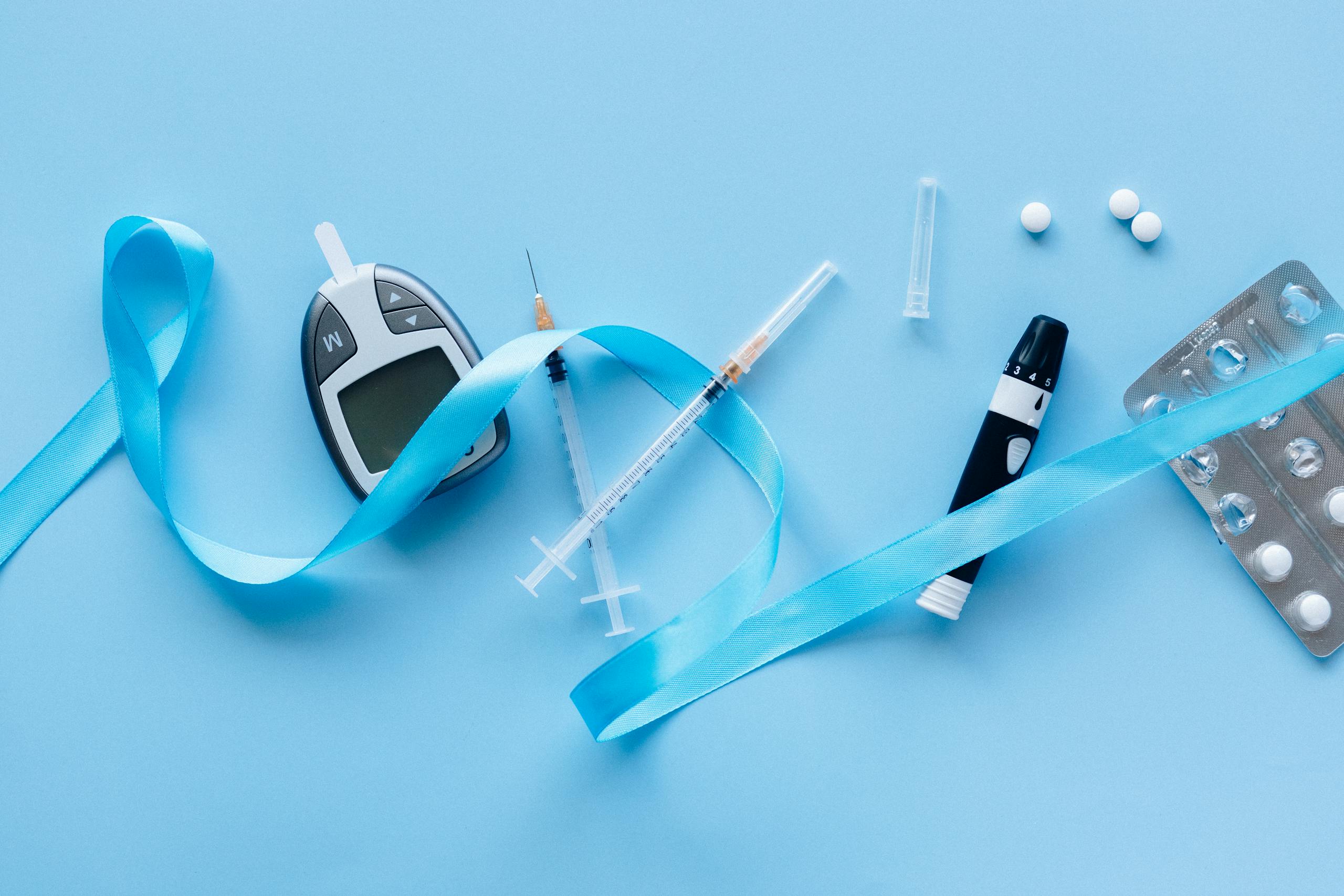
A new large-scale study is drawing attention to a possible and unexpected benefit of popular GLP-1 diabetes medications. Researchers have found that people with type 2 diabetes who take these drugs may have a lower risk of developing epilepsy compared to those taking another commonly prescribed class of diabetes drugs. While the findings do not prove cause and effect, they add to growing interest in the broader neurological effects of GLP-1 therapies.
The study was published in the medical journal Neurology, which is affiliated with the American Academy of Neurology, and it analyzed health data from hundreds of thousands of adults in the United States.
What the Study Looked At
The researchers examined a large U.S. health database focusing on adults diagnosed with type 2 diabetes. All participants were starting a new diabetes medication and had no prior history of epilepsy or seizures at the beginning of the study.
Two groups were compared:
- People who started taking GLP-1 receptor agonists
- People who started taking DPP-4 inhibitors, also known as gliptins
The goal was to see whether there was any difference in the long-term risk of developing epilepsy between these two treatment groups.
In total, the study included 452,766 participants, with an average age of 61 years. Roughly half of the participants were prescribed GLP-1 drugs, while the other half were prescribed DPP-4 inhibitors. Everyone was followed for at least five years, making this one of the largest and longest observational studies to explore this question.
Which Drugs Were Included
The GLP-1 drugs analyzed in the study were:
- Semaglutide
- Dulaglutide
- Liraglutide
These medications are widely used for blood sugar control in type 2 diabetes and, in some cases, for weight loss. Over the past few years, GLP-1 drugs have gained enormous attention due to their effectiveness and expanding list of potential benefits.
The comparison group took DPP-4 inhibitors, another established class of glucose-lowering medications that work through a different biological mechanism.
What the Researchers Found
During the follow-up period, researchers recorded how many people in each group developed epilepsy.
- 1,670 people taking GLP-1 drugs developed epilepsy, representing 2.35% of that group.
- 1,886 people taking DPP-4 inhibitors developed epilepsy, representing 2.41% of that group.
At first glance, the difference may appear small. However, after adjusting for other factors that could influence epilepsy risk — such as age, high blood pressure, and cardiovascular disease — the difference became more meaningful.
The adjusted analysis showed that people taking GLP-1 drugs were 16% less likely to develop epilepsy than those taking DPP-4 inhibitors.
Semaglutide Showed the Strongest Association
When the researchers looked more closely at the individual GLP-1 drugs, one stood out.
Semaglutide showed the strongest association with a reduced risk of epilepsy among the medications studied. While the study was not designed to explain why semaglutide might be more strongly linked to this outcome, the finding adds to the drug’s growing profile beyond glucose control.
Important Limitations to Keep in Mind
Despite the encouraging results, the researchers were careful to emphasize the study’s limitations.
First and most importantly, this was a retrospective observational study. That means it can only show an association, not prove that GLP-1 drugs directly reduce the risk of epilepsy. Other unmeasured factors could be influencing the results.
The researchers also did not have access to certain pieces of information that may affect epilepsy risk, including:
- Family history of epilepsy
- Genetic susceptibility
- Alcohol use
- Certain lifestyle factors
Additionally, factors such as drug cost, insurance coverage, and how severe a person’s diabetes was could have influenced which medication a patient received. These differences could potentially affect the comparison between the two groups.
Why This Matters for People With Diabetes
People with diabetes are already known to have a higher risk of developing epilepsy later in life compared to the general population. Epilepsy itself can bring significant physical, psychological, and social challenges, and many patients do not respond fully to existing seizure medications.
Because of this, any potential strategy that could help reduce epilepsy risk is worth careful attention, even at this early stage of research.
The study’s authors stressed that more work is needed, particularly randomized controlled trials that follow patients over time, to confirm whether GLP-1 drugs truly play a protective role in brain health.
What About Newer Drugs Like Tirzepatide?
One notable exclusion from the study was tirzepatide, a newer medication that acts as a dual GLP-1 and GIP receptor agonist. Tirzepatide was not included because it entered clinical use after the study period had already begun.
As a result, the findings cannot be applied to tirzepatide, and its potential neurological effects remain an open question for future research.
Growing Interest in GLP-1 Drugs and the Brain
This study fits into a broader scientific trend exploring how GLP-1 drugs may affect the nervous system. Beyond diabetes and weight loss, researchers are increasingly investigating whether these medications could have benefits related to:
- Neuroinflammation
- Neuroprotection
- Cognitive decline and other neurological conditions
Some experimental studies suggest GLP-1 receptors are present in the brain, raising the possibility that these drugs may influence brain signaling, inflammation, or metabolic processes tied to neurological health. However, much of this research is still in its early stages.
What This Study Does and Does Not Say
It is important to be clear about what the findings mean — and what they do not.
The study does not suggest that:
- DPP-4 inhibitors are harmful
- GLP-1 drugs should be prescribed specifically to prevent epilepsy
- People without diabetes should use GLP-1 drugs for brain health
What it does suggest is that there may be neurological effects beyond blood sugar control, opening the door to future research that could clarify how these drugs interact with the brain.
The Bottom Line
In a massive real-world study involving over 450,000 adults with type 2 diabetes, researchers found that people taking GLP-1 receptor agonists had a lower risk of developing epilepsy compared to those taking DPP-4 inhibitors. The association was strongest with semaglutide, though no cause-and-effect relationship has been proven.
While the findings are promising, they are only a starting point. Carefully designed clinical trials will be needed before any firm conclusions can be drawn about the role of GLP-1 drugs in reducing epilepsy risk or protecting brain health.
For now, the study adds another intriguing layer to our understanding of these widely used medications and highlights how much there is still to learn about the connections between metabolism, diabetes, and the brain.
Research paper reference:
https://www.neurology.org/doi/10.1212/WNL.0000000000214509