Crickets Are Eating Microplastics and Turning Them Into Even Smaller Plastic Pollution
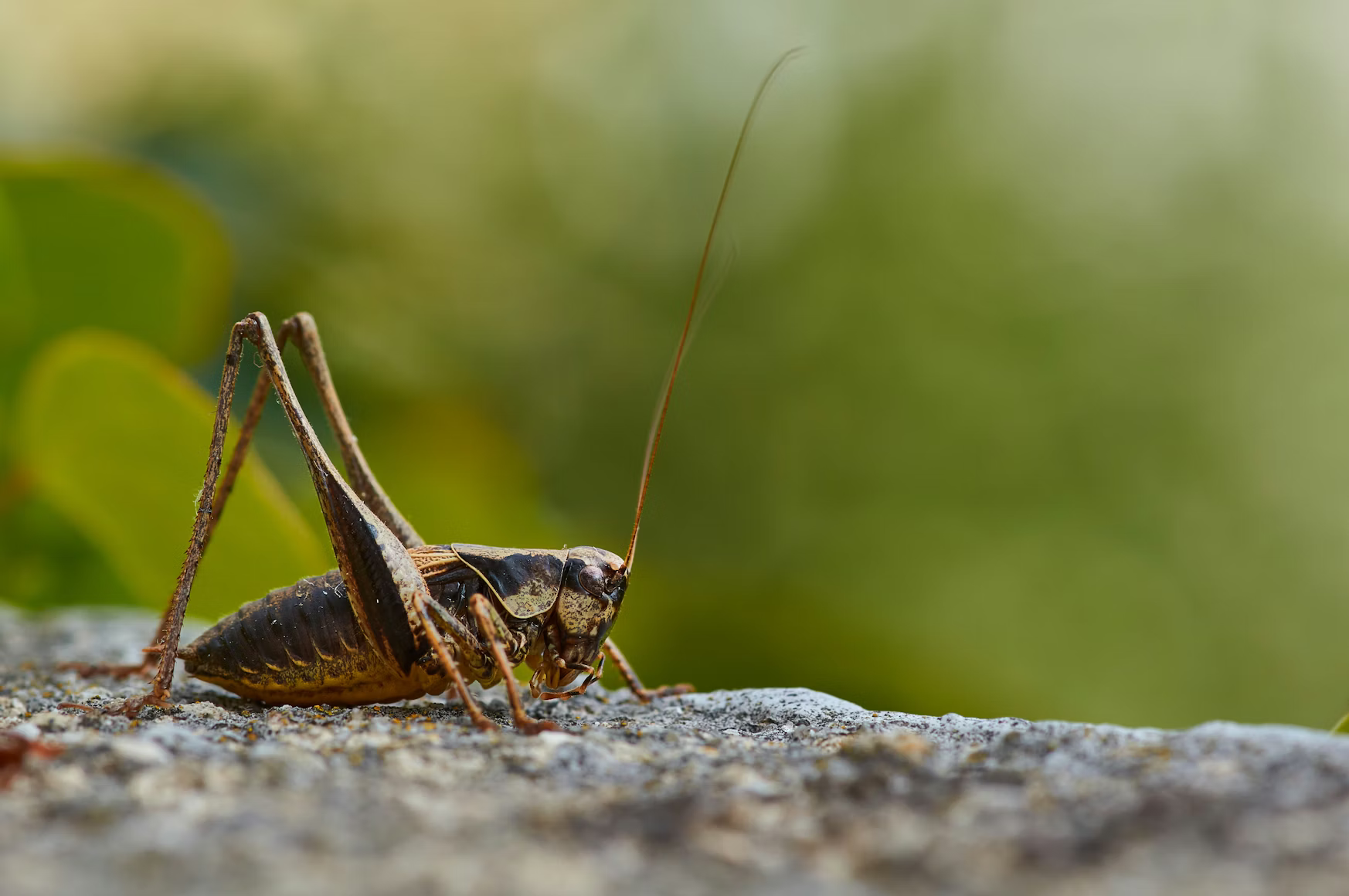
Microplastics are usually described as a human-made problem for oceans, wildlife, and even our own bodies. But new research shows that insects—specifically crickets—are quietly interacting with plastic pollution in ways scientists are only beginning to understand. A recent study published in the journal Environmental Science & Technology reveals that tropical house crickets not only eat microplastics, but continue to do so throughout their lives as long as the plastic particles fit inside their mouths. Even more concerning, these insects can break larger plastic pieces into nanoplastics, which may pose an even greater environmental risk.
What Counts as Microplastics and Why Insects Matter
Microplastics are plastic particles smaller than 5 millimeters, roughly the size of a sesame seed or smaller. Some are intentionally manufactured at small sizes, while others come from the breakdown of larger plastic items like packaging, textiles, and agricultural products. These particles now exist almost everywhere—soil, water, air, and food chains.
Insects are a particularly important group to study when it comes to microplastics because they are incredibly abundant, live in close contact with soil and plant material, and form the base of many ecosystems. Crickets, in particular, are considered generalist feeders, meaning they eat a wide variety of materials rather than specializing in one type of food. This makes them a useful model for understanding how insects interact with contaminated environments.
Why Researchers Chose Tropical House Crickets
The study focused on tropical house crickets, scientifically known as Gryllodes sigillatus. These crickets are commonly used in laboratory studies because they are easy to raise, grow quickly, and have predictable feeding behavior. They also undergo dramatic changes in body size as they mature, which allowed researchers to examine how growth affects the ability to ingest plastic particles.
The research team wanted to answer several specific questions: Do crickets avoid plastic-contaminated food when given a choice? Does eating plastic affect their growth? And how does the size of plastic particles interact with the size of the insect?
Feeding Experiments and Unexpected Preferences
In the first experiment, adult crickets were given a choice between plastic-free food and food contaminated with either small or large polyethylene microplastics. Surprisingly, the crickets did not avoid the contaminated food. Over time, they actually consumed more of the plastic-laced food, even when clean food was readily available.
This suggests that crickets are unable to distinguish plastic particles from real food. To an insect, microplastics can be similar in size, shape, and texture to the materials they normally eat, such as plant fragments or grains.
Unlike some other small animals studied in previous research, the crickets did not show obvious stunted growth from eating microplastics during this phase of the experiment. Their weight gain and overall development appeared normal under the tested conditions.
How Mouth Size Determines What Gets Eaten
The researchers then followed crickets over a seven-week growth period, during which the insects increased their body size by roughly 25 times. As the crickets grew, their mouthparts also became larger, allowing them to consume progressively bigger particles.
The results showed a clear pattern: crickets could only ingest microplastic particles whole when their mouths were large enough to accommodate them. Once a cricket reached the size needed to eat a specific plastic particle, it continued to consume that size for the rest of its life.
In simple terms, having a bigger mouth meant access to more plastic. This finding highlights a physical limitation rather than a behavioral one. The crickets were not choosing plastic intentionally; they were simply eating whatever fit.
Turning Microplastics Into Nanoplastics
One of the most important and concerning discoveries came from examining what happened to the plastic after ingestion. As crickets digested their food, they mechanically broke down microplastics into smaller fragments, including nanoplastics.
Nanoplastics are far smaller than microplastics and are considered more dangerous because they can move more easily through soil and water, penetrate biological tissues, and potentially enter food webs more efficiently. The study found that smaller crickets fragmented plastics more extensively, while larger crickets tended to produce less fragmented particles.
This means crickets may act as an unintentional processing system for plastic pollution, transforming relatively large plastic pieces into forms that are harder to detect and potentially more harmful.
Why This Matters for Ecosystems
Crickets are not isolated organisms. They are eaten by birds, reptiles, mammals, and other insects, and they play a role in nutrient cycling by breaking down organic matter in soil. If crickets are consuming and excreting nanoplastics, these particles could spread more widely through ecosystems.
The study suggests that insects may play a previously overlooked role in the environmental breakdown and redistribution of plastic pollution. Instead of removing plastics from ecosystems, insects may be reshaping the problem into a more complex and less visible form.
How This Fits Into What We Know About Microplastics
Previous studies have shown that microplastic ingestion can negatively affect animals such as earthworms, snails, and aquatic insects, sometimes leading to reduced growth, reproduction, or survival. However, responses vary widely between species, plastic types, and environmental conditions.
This cricket study adds an important layer of nuance. It shows that the impact of microplastics is not just about whether an organism eats plastic, but how its physical traits change over time and how those traits influence plastic exposure.
What We Still Don’t Know
While the study provides detailed insights into feeding behavior and particle breakdown, many questions remain unanswered. Long-term effects on cricket health, reproduction, and lifespan were not fully explored. It is also unclear how nanoplastics produced by insects behave once released into soil or consumed by predators.
Researchers also caution that laboratory conditions do not perfectly reflect natural environments, where plastics vary widely in shape, chemistry, and contamination with other pollutants.
A Growing Area of Environmental Research
This research highlights the importance of studying plastic pollution beyond oceans and marine life. Terrestrial ecosystems, especially those involving insects, may be playing a much larger role in the plastic cycle than previously recognized.
By showing that crickets cannot tell plastic from food and can actively transform microplastics into nanoplastics, the study underscores how deeply plastic pollution has become embedded in natural systems.
Research paper:
https://doi.org/10.1021/acs.est.5c09189