How Repeated Solitary Confinement Cycles Are Reshaping the Prison Reform Debate
A growing body of research is forcing policymakers, prison officials, and the public to rethink how solitary confinement is used in modern prisons. A recent multi-year study led by researchers from several institutions takes a close look at what actually happens to prisoners who experience solitary confinement not once, but repeatedly, often over long periods of their incarceration. The findings add important nuance to ongoing debates about prison reform and raise difficult questions about whether current policies truly support rehabilitation and public safety.
The study was co-authored by Natalie Pifer, Chair and Associate Professor in the Criminology and Criminal Justice Department at the University of Rhode Island, and published in the British Journal of Criminology. Rather than focusing only on extreme, single stretches of isolation, the research examines a more common but less discussed pattern: cycling in and out of solitary confinement.
Inside the Study: Where the Data Came From
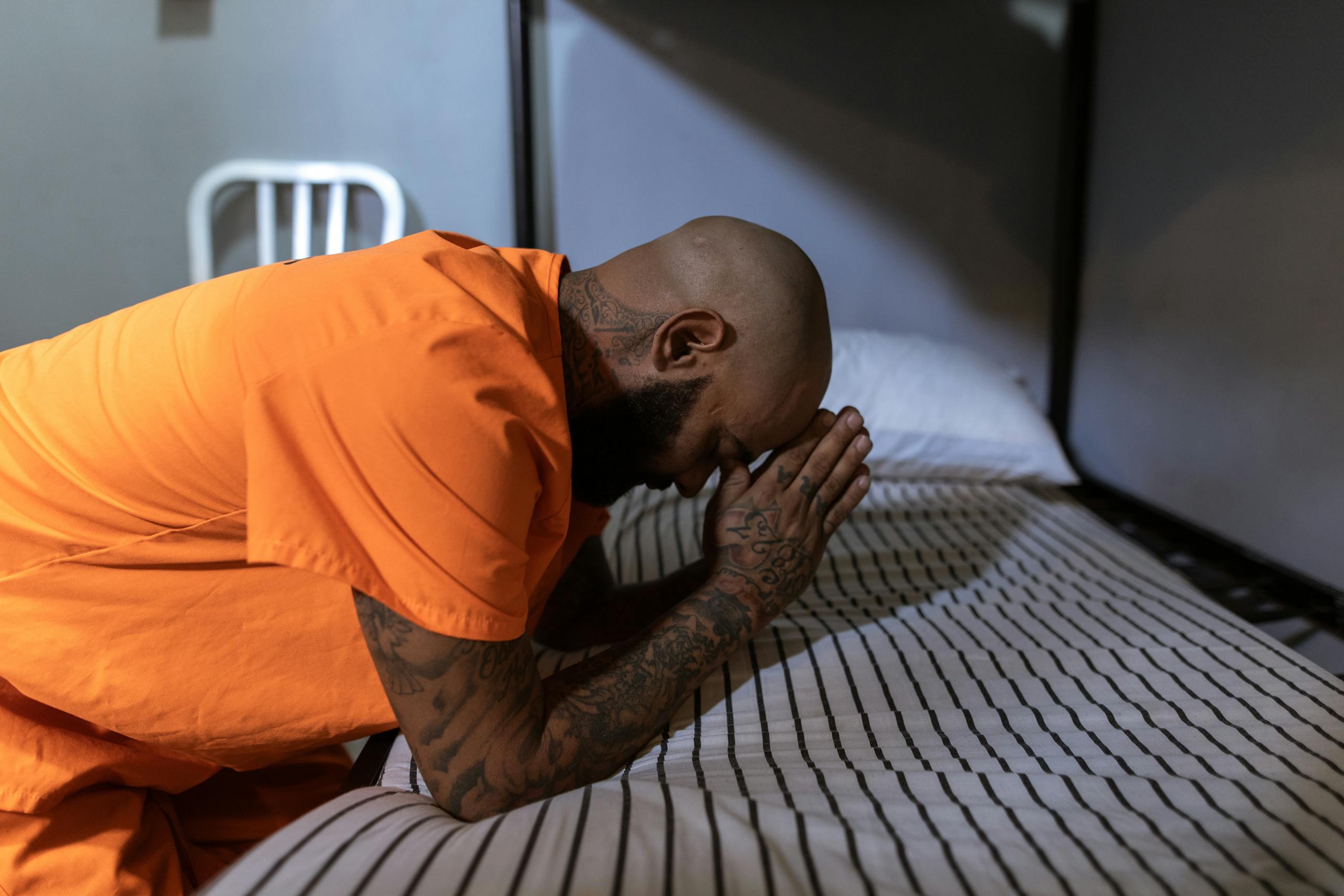
The research team spent multiple summers conducting fieldwork in five super-maximum or maximum-security prisons in Washington state. These facilities use long-term solitary confinement units known as Intensive Management Units (IMUs). Prisoners in these units are typically locked down for more than 20 hours a day, with minimal human contact and limited sensory stimulation.
To understand the full picture, researchers combined first-hand interviews and surveys with prisoners and staff with secondary administrative data provided by the Washington State Department of Corrections. This mix allowed them to track individual confinement histories over time instead of relying on snapshots or averages.
How Often Prisoners Experience Solitary Confinement
One of the most striking findings is how common repeated isolation actually is. On average, the prisoners interviewed had been placed in solitary confinement 6.3 separate times during their incarceration. Each stay lasted about 120 days, meaning many individuals spent years of their lives in isolation when those stays were added together.
Even more concerning is the duration of individual placements. Nearly 70% of all solitary confinement stays exceeded 15 days, a threshold that international bodies such as the United Nations consider especially harmful. Under the Mandela Rules, confinement lasting longer than 15 consecutive days is classified as prolonged and is widely condemned due to its psychological risks.
What Happens When Prisoners Leave Solitary
Much of the public discussion around solitary confinement ends when a prisoner leaves isolation. This study shows that is exactly where many of the most serious problems begin.
Prisoners who spent significant time in solitary reported severe mental and physical difficulties when transitioning back to lower custody levels, including the general prison population. One of the most common effects was hypersensitivity, where normal sounds, lights, or crowded spaces became overwhelming. Anxiety levels were often extremely high, leaving individuals constantly on edge.
Many prisoners also struggled with withdrawal and social interaction. Trusting others became difficult, and even basic communication could feel threatening or exhausting. Another frequently reported issue was distorted perception of time. After long stretches without normal daily cues, prisoners described losing their sense of days, weeks, or even months.
In some cases, the difficulty of adjusting back to social environments was so intense that prisoners expressed a desire to return to isolation simply because it felt more manageable than navigating human interaction again.
Why Cycling In and Out of Solitary Matters
Traditionally, solitary confinement reform efforts have focused on reducing long, uninterrupted stays in isolation. While that remains important, this research highlights a second, equally critical issue: how often prisoners are moved in and out of solitary during a single incarceration.
Each transition back into the general population creates what researchers describe as a kind of re-entry shock. These shocks accumulate over time, making it harder for prisoners to stabilize emotionally or behaviorally. Instead of recovering between stays, many individuals find themselves caught in a repeating loop of isolation, release, distress, and re-isolation.
This pattern challenges the assumption that shorter solitary stays are automatically less harmful. Even when individual periods are limited, repetition itself can cause lasting damage.
Why Washington State Was the Focus
Washington state has implemented several reforms aimed at reducing long-term solitary confinement, making it an important case study. The researchers wanted to understand how these reforms are actually experienced on the ground, not just how they look on paper.
One key takeaway is that policy changes do not always translate neatly into lived experience. Prison staff and incarcerated individuals may face constraints that complicate reform efforts, including limited mental health resources, staffing shortages, and security concerns.
The study also highlights the many reasons people end up in long-term isolation. These include disciplinary infractions, but also protective custody situations, such as prisoners with severe mental illness, individuals who do not fit safely within the general population, people who have left gangs, or those at risk of violence from others.
Solitary Confinement and the Bigger Picture of Recidivism
The findings also connect solitary confinement to broader issues in the criminal justice system, particularly recidivism. Many people who cycle through solitary confinement are also cycling through incarceration itself. If isolation undermines mental stability, social functioning, and coping skills, it raises serious questions about whether it supports the goal of reducing future crime.
From a public safety perspective, the research suggests that punishment alone may not be enough. Without proper support during transitions—both within prison and upon release into the community—solitary confinement may actually increase long-term risks rather than reduce them.
The Challenge of Meaningful Reform
The study makes it clear that passing reforms is only the beginning. Implementation requires cooperation from prison administrators, frontline staff, mental health professionals, and policymakers. Many of the factors influencing solitary confinement—such as untreated mental illness—extend beyond the prison system itself.
As part of ongoing reform efforts, Natalie Pifer has also collaborated on projects evaluating vocational and in-custody programming designed to improve re-entry outcomes. These programs aim to provide incarcerated individuals with skills that support stable employment after release, potentially reducing the likelihood of re-offending.
Initial findings from these related projects are expected later in the academic year.
What This Research Adds to the Debate
This study contributes a crucial shift in perspective. Solitary confinement is not an occasional or exceptional experience for a small number of prisoners. It is often a repeated and routine part of incarceration, with cumulative effects that extend far beyond the walls of isolation units.
By focusing on both duration and frequency, the research offers a more realistic understanding of how solitary confinement operates in practice—and why reform efforts must address the full cycle, not just the most extreme cases.
More information and the full research paper can be found here:
https://doi.org/10.1093/bjc/azaf071