Museum Staff Strongly Support Behind-the-Scenes Tours and See Them as Essential to Public Engagement
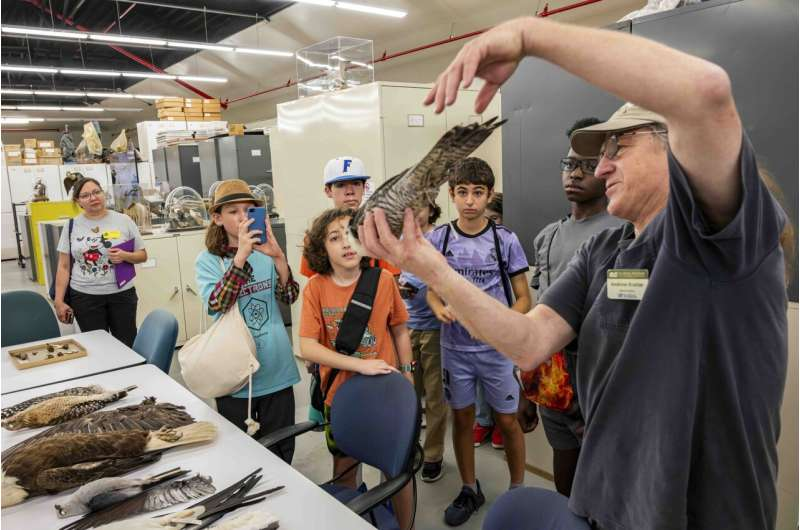
Museum visitors usually experience carefully curated exhibits, well-lit display cases, and selected highlights from vast collections. What most people never see is the enormous amount of work happening behind closed doors. According to a recent study published in Curator: The Museum Journal, museum professionals overwhelmingly believe that opening up these behind-the-scenes spaces to the public is not just beneficial, but crucial to their mission.
The study focused on staff perceptions of behind-the-scenes tours in natural history museums. Through surveys and follow-up interviews conducted at an undisclosed museum, researchers found that 93% of participants felt that allowing the public to see collections and research areas that are normally off-limits is an important part of their job. The findings highlight a strong consensus among museum workers that transparency and access help people better understand the true value of museum collections.
Why So Much of a Museum Is Hidden From View
Natural history museums face a unique challenge: they have far more specimens than exhibition space. A striking example comes from the Florida Museum of Natural History, which houses more than 40 million specimens and objects. At any given time, only about 1,500 specimens are on display. That means roughly 0.0038% of the collection is visible to visitors.
The rest of the specimens are stored in research collections, where they are actively used by scientists from around the world. These items are not forgotten or neglected. They are carefully preserved, cataloged, and studied to help researchers better understand biodiversity, evolution, and environmental change.
Despite their importance, these collections remain largely invisible to the public. This disconnect is exactly what behind-the-scenes tours aim to address.
What the Study Looked At
The research team surveyed 44 faculty members, staff, and students working at a natural history museum. Participants were asked about their attitudes toward behind-the-scenes tours, their motivations for offering them, and the challenges involved.
The results were remarkably consistent. Almost everyone surveyed agreed that public access to collections plays a vital role in helping people understand what museums actually do. Follow-up interviews reinforced this idea, with participants emphasizing that sharing their work gives meaning and purpose to maintaining such extensive collections.
Three Main Reasons Museum Staff Want to Share Their Work
When researchers analyzed the responses, they found that staff motivations fell into three broad categories.
The first motivation was a strong sense of reciprocity. Many museum professionals described feeling grateful for the education, mentorship, and support they received earlier in their careers. Offering behind-the-scenes tours was seen as a way to give something back by sharing knowledge and excitement with others.
There was also a clear desire to inspire young people. Many scientists and curators developed their interests at a young age, often after exposure to museums or nature-related experiences. By showing students and families what happens behind the scenes, staff hope to spark curiosity and encourage the next generation of scientists, researchers, and museum professionals.
Another important point raised by respondents was that most people are unaware of the wide range of careers available in museums. Beyond curators and researchers, museums rely on conservators, collection managers, educators, technicians, and specialists with highly diverse skill sets. Behind-the-scenes tours allow staff to showcase these roles and broaden public understanding of museum work.
A Sense of Responsibility to Science and Society
The second major motivation centered on a sense of ethical responsibility. Many participants felt strongly that museums have a duty to educate the public about biodiversity and environmental issues, especially at a time when ecosystems are being rapidly altered or destroyed.
Museum collections serve as records of life on Earth, documenting species distributions, genetic diversity, and environmental change over time. Staff emphasized that sharing this work helps improve science literacy, which they see as essential for informed citizenship. Seeing scientists at work, rather than just finished exhibits, helps demystify the scientific process and builds trust in scientific research.
Professional Growth as an Added Benefit
The third category of motivation was more personal. Some respondents viewed behind-the-scenes tours as an opportunity to improve their communication, teaching, and public speaking skills. While most participants felt confident in their ability to explain their work to people of different ages and backgrounds, the survey revealed that 74% were interested in professional development opportunities to further enhance these skills.
This suggests that museum staff are not only willing to engage with the public but are also eager to become even better at doing so, given the right support and resources.
Positive Experiences for Both Staff and Visitors
The study also found that behind-the-scenes tours tend to be mutually rewarding. Staff members often enjoy interacting with visitors, particularly children and families, and sometimes even learn from the questions and perspectives visitors bring.
Although the research focused on staff perceptions, the study’s authors also noted positive feedback from the public. Visitors who have participated in behind-the-scenes tours frequently report a deeper appreciation for museum work. In some cases, people described feeling special or valued, particularly those who work in professions where recognition is rare.
These experiences help create a stronger emotional connection between the public and museum institutions.
The Real Challenges of Opening Collection Spaces
Despite the overwhelmingly positive attitudes, behind-the-scenes tours are not without difficulties. Research collections are not designed for visitors. Aisles are narrow, storage areas are packed with specimens, and workspaces are filled with equipment, chemicals, and fragile materials.
Hosting tours often requires significant preparation. Staff may need to clear walkways, secure hazardous materials, and temporarily interrupt research activities. There is also the risk of accidental damage, as many specimens are irreplaceable and extremely delicate.
Several respondents described tours as disruptive, emphasizing that collections are active research environments rather than public displays.
Why Most Staff Believe the Benefits Still Win
Even with these challenges, 97% of survey participants agreed that the benefits of behind-the-scenes tours outweigh the risks. Many felt that if museums focus solely on preservation without public access, they risk losing their broader purpose.
From this perspective, collections only achieve their full value when they are shared, interpreted, and connected to the public. Allowing people to see how specimens are used for research transforms collections from static archives into living resources that contribute to knowledge and societal understanding.
Why Behind-the-Scenes Access Matters More Than Ever
In recent years, museums have increasingly focused on transparency, accessibility, and public engagement. Behind-the-scenes tours fit squarely within this shift. They help bridge the gap between institutions and communities, making museums feel less distant and more relevant.
They also reinforce the idea that museums are not just places to look at objects, but centers of ongoing research, education, and discovery. As public trust in science becomes ever more important, showing how scientific work is actually done may be one of the most effective tools museums have.
Research Reference
Natural History Museum Collections Researchers’ Perceptions of Behind the Scenes Tours – Curator: The Museum Journal
https://doi.org/10.1111/cura.70013