How Mangrove Forests Quietly Protect Coastal Home Prices After Major Hurricanes
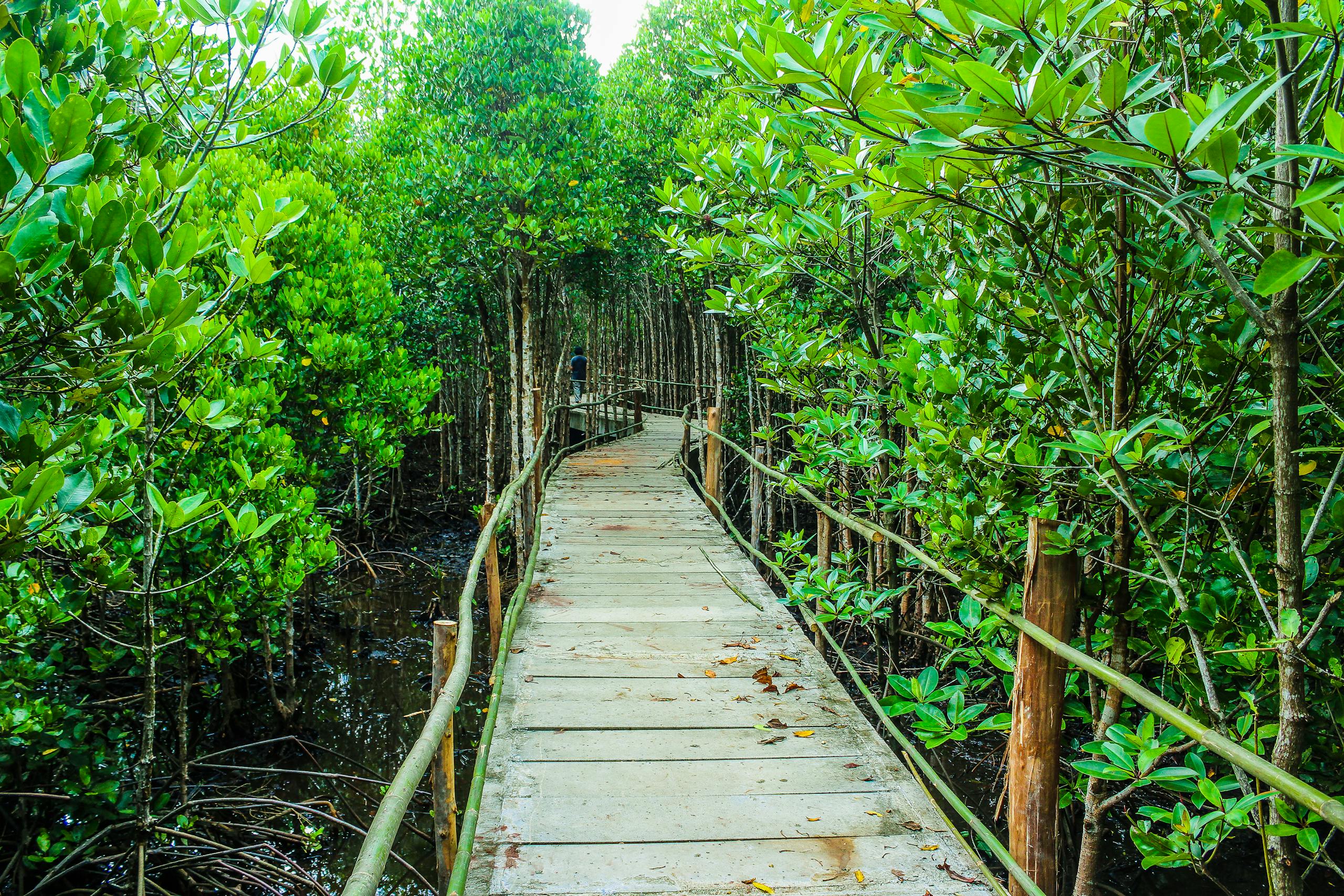
Coastal communities have long known that mangrove forests help soften the physical blow of hurricanes. Now, a new economic study adds another important layer to that understanding: homebuyers clearly recognize and price in the protective value of mangroves. According to fresh research from the University of California, Santa Cruz, homes located near mangrove forests in coastal Florida experience significantly smaller drops in value after major storms compared to homes farther away.
This study brings together real estate data, climate science, and finance to show that nature-based solutions are not just environmentally smart but economically meaningful as well.
How the Research Looked at Home Prices and Hurricanes
The research team focused on seven coastal counties in Florida that the Federal Emergency Management Agency classifies as being at medium risk of flooding from major hurricanes. These areas are especially useful for analysis because they face real storm threats while still supporting active housing markets.
Using detailed transaction data from Zillow, the researchers analyzed how home prices changed before and after several major hurricanes that struck Florida between 2004 and 2017. The storms included Hurricanes Ivan and Jeanne in 2004, Hurricane Sandy in 2012, and Hurricane Irma in 2017. These events represent different storm intensities and time periods, allowing the team to observe consistent patterns over more than a decade.
The key comparison was simple but powerful: homes located near mangrove forests versus homes farther away from them. By tracking price movements around each hurricane season, the researchers were able to isolate how proximity to mangroves influenced buyer behavior and post-storm market outcomes.
The Financial Impact of Living Near Mangroves
The results were striking. After major hurricanes, homes farther from mangrove forests experienced nearly double the price decline compared to those closer to these coastal wetlands. On average, proximity to mangroves translated into meaningful financial protection for homeowners.
For a $1 million home, properties near mangroves retained $20,000 to $40,000 more in value after hurricanes. In some locations and storm events, the difference climbed as high as $60,000 per home. These numbers reflect how buyers reassess risk after heavy storm seasons and adjust what they are willing to pay.
Importantly, the study did not measure repair costs or insurance payouts directly. Instead, it captured how homebuyers themselves perceive risk and protection, as reflected in actual sale prices. This makes the findings especially powerful because they show how environmental features influence real-world financial decisions.
Why This Study Is Different From Earlier Research
Previous studies have already shown that mangroves reduce flood damage, storm surge, and wave energy. What makes this research stand out is its market-based approach. Rather than estimating damage avoided using engineering or modeling tools alone, the researchers measured how much buyers are willing to pay for the benefits mangroves provide.
This means the study captures a broader economic signal. It shows that people don’t just benefit from mangroves in theory or after-the-fact damage assessments—they actively incorporate those benefits into property values, especially after experiencing major storms.
In other words, the housing market itself is recognizing mangroves as a form of natural infrastructure.
Mangroves and Climate Change Adaptation
As climate change increases the frequency and intensity of hurricanes, coastal adaptation strategies are becoming more urgent. Mangroves are increasingly viewed as nature-based solutions, offering protection while supporting ecosystems at the same time.
The study strengthens the case that protecting and restoring mangrove forests can be part of an effective climate adaptation strategy. Instead of relying solely on seawalls, levees, or other engineered defenses, coastal regions can benefit from preserving natural barriers that grow stronger over time when properly managed.
This approach is especially appealing because it delivers co-benefits. Mangroves protect shorelines, support biodiversity, store carbon, and now—clearly—help stabilize housing markets after extreme weather.
Financial Stakeholders Have Something to Gain
One of the more interesting implications of the research is who stands to benefit financially. Homeowners are the most obvious group, but the list goes much further. Real estate developers, insurance companies, lenders, and financial institutions all have a stake in reducing climate-related risk.
If mangroves help stabilize property values, they also reduce default risk, insurance losses, and volatility in coastal housing markets. That creates a strong argument for involving private capital in mangrove conservation and restoration.
The researchers note that more work is needed to design financial instruments and investment models that allow private entities to contribute to these efforts. If successful, this could ease the burden on federal, state, and local governments while accelerating climate adaptation.
Mangroves Offer Protection Beyond Housing
While the study focuses on residential property values, mangroves deliver benefits that go far beyond housing. These coastal forests also help protect agricultural land, roads, utilities, public infrastructure, and open spaces from storm-related flooding.
Mangrove ecosystems support tourism, recreation, and fisheries, making them economically valuable even in the absence of storms. Their complex root systems serve as nurseries for fish and other marine life, strengthening coastal economies that rely on seafood and ecotourism.
When these additional benefits are considered alongside stabilized housing prices, the overall economic value of mangroves becomes even more compelling.
How This Fits Into Broader Global Research
This new study aligns with a growing body of global research valuing ecosystems as economic assets. Other recent analyses from the same research center have estimated that mangroves provided $725 million in protection during Hurricane Irma and $4.1 billion during Hurricane Ian. A separate global study published in 2024 estimated that mangroves provide $855 billion in flood protection worldwide, a figure highlighted in the World Bank’s Changing Wealth of Nations report.
Together, these findings show that mangroves are not a niche environmental concern. They represent large-scale economic infrastructure that is often undervalued or overlooked.
What This Means for Coastal Communities
The takeaway is clear: homebuyers understand the value of natural protection, and their purchasing decisions reflect it. Mangroves are not just scenic coastal features—they are financially relevant assets that influence property markets after major storms.
As coastal populations grow and climate risks intensify, this kind of evidence will likely play a growing role in urban planning, real estate development, and climate policy. Protecting mangroves is no longer just about saving ecosystems; it’s also about protecting investments, communities, and long-term economic stability.
Research paper:
https://academic.oup.com/rof/advance-article/doi/10.1093/rof/rfaf061/8304747