Young Mountain Lions in California Are Struggling to Move Freely Because of Roads and Urban Development
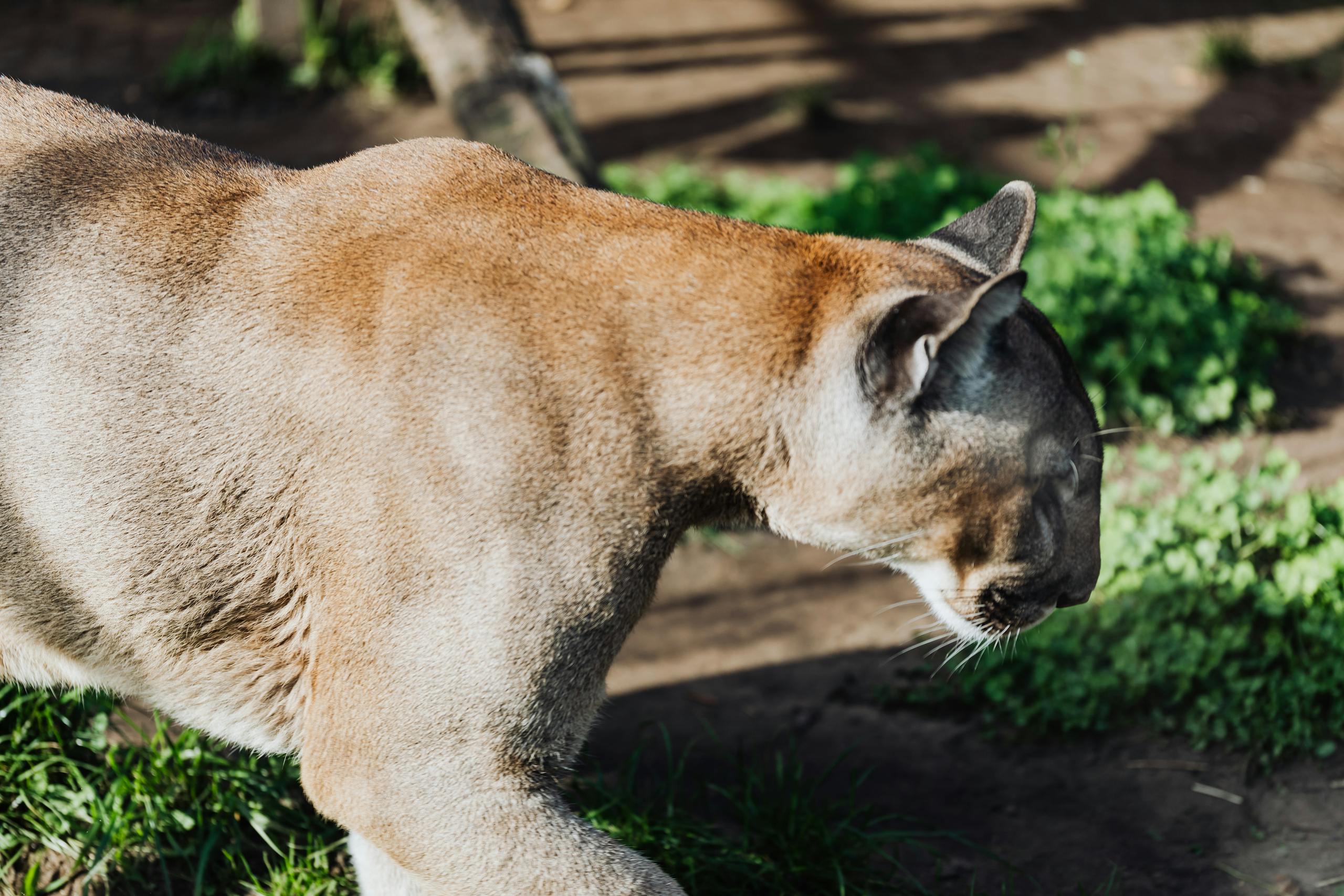
Young mountain lions across California are facing growing challenges as they try to move between habitats, and new research has now made it clear why. A large scientific study has found that roads, freeways, and human development are significantly disrupting the natural movement of young mountain lions, creating barriers that threaten the long-term health of the species across the state.
Mountain lions, also known as cougars or pumas, are wide-ranging predators that rely on large, connected landscapes to survive. For decades, scientists have noticed something troubling in California: mountain lion populations are becoming genetically isolated from one another at a much higher level than expected for such a mobile species. This raised serious concerns about inbreeding, reduced genetic diversity, and eventual population decline. The new study finally provides strong evidence explaining how and why this isolation is happening.
Why Young Mountain Lions Matter Most
The research focused on subadult mountain lions, a term used for animals roughly 1 to 3 years old. These young cats have recently separated from their mothers and are in the most critical phase of their lives. During this period, they disperse—sometimes traveling hundreds of kilometers—to find suitable habitat where they can establish their own breeding territories.
This dispersal process is essential. It is how different mountain lion populations remain connected, allowing individuals to mix genetically and preventing inbreeding. Without successful dispersal by young animals, populations become cut off from one another, even if suitable habitat still exists nearby.
To better understand this process, researchers fitted 87 subadult mountain lions across California with GPS tracking collars. This provided rare, detailed data on how young mountain lions actually move through real landscapes rather than how scientists assume they move based on adult behavior.
Roads and Development as Major Barriers
The findings were clear and concerning. Young mountain lions consistently avoided highly developed areas and were especially reluctant to cross large, busy roads and freeways. Even when suitable habitat lay on the other side, major transportation corridors acted as psychological and physical barriers.
This avoidance behavior severely limits their ability to move between populations. In landscapes where highways and dense development dominate, young mountain lions often fail to complete long-distance dispersal altogether. As a result, populations remain isolated even when they are geographically close.
This is especially evident in Southern California and along the Central Coast, where urban sprawl and extensive freeway networks fragment the landscape. Some of the smallest mountain lion populations in the greater Los Angeles area are now effectively trapped by development, with little opportunity for new individuals to enter or leave.
Genetic Consequences Are Already Visible
The genetic impacts of this isolation are not theoretical. The study confirms that mountain lion populations in southern and coastal California exhibit much lower genetic diversity than populations in other parts of the state or country. Low genetic diversity increases the risk of birth defects, reduced fertility, and vulnerability to disease.
In contrast, mountain lions living in large, remote regions—such as the Sierra Nevada Mountains and parts of northern California—still maintain strong genetic health. These areas contain vast, continuous habitat with fewer major roads, allowing young lions to disperse more naturally.
Ideally, these large and healthy populations should act as source populations, sending dispersing individuals into smaller, isolated regions and helping maintain genetic balance statewide. However, the study shows that roads and development are increasingly preventing this from happening.
Mapping Connectivity Across the State
One of the most valuable outcomes of the research is a statewide connectivity map developed by the team. This map reflects how easy or difficult it is for young mountain lions to move through every part of California based on their actual movement decisions.
Rather than relying on theoretical models alone, the map is built directly from GPS data, showing which areas facilitate movement and which act as bottlenecks. These bottlenecks often align with major highways, dense urban zones, and heavily modified landscapes.
The map highlights critical linkages that are essential for maintaining population connectivity. These findings are expected to play a major role in future conservation planning and land-use decisions across the state.
Small Habitat Patches Still Matter
Despite the challenges, the study also offers some reason for optimism. Young mountain lions were able to use even small patches of forest and shrubland as temporary refuges while moving through fragmented landscapes. These patches act as “stepping stones,” allowing animals to rest, hunt, and avoid human activity as they navigate otherwise inhospitable areas.
This behavior shows the species’ remarkable adaptability and suggests that even heavily modified landscapes can support movement if some natural habitat remains. Protecting and restoring these small habitat patches could make a meaningful difference, especially in urban-adjacent regions.
However, adaptability has limits. While mountain lions can move through fragmented environments, large freeways and multilane highways remain some of the most significant obstacles they face.
Wildlife Crossings as a Practical Solution
Because roads are such a major barrier, the study strongly supports the use of wildlife crossing structures, including overpasses and underpasses designed specifically for animals. These structures allow wildlife to cross roads safely while reducing vehicle collisions.
Importantly, the new connectivity map helps identify optimal locations for these crossings—places where young mountain lions are most likely to attempt crossings but are currently blocked by infrastructure. This data-driven approach can make future projects more effective and cost-efficient.
California has already begun experimenting with such solutions, and this research provides additional scientific backing for expanding those efforts statewide.
Implications for Conservation Policy
The findings arrive at a critical time. Mountain lions are currently being considered for listing under the California Endangered Species Act, largely due to concerns about fragmented populations and declining genetic health in certain regions.
This study adds strong evidence that habitat fragmentation—not just habitat loss—is a key threat. Even where natural land remains, connectivity between those lands is essential. Without it, populations may slowly decline despite appearing stable in the short term.
The research team is now integrating these findings with long-term data on mountain lion behavior, mortality, reproduction, and genetics to better understand statewide population dynamics. This broader effort aims to guide conservation strategies that can sustain mountain lions across California for generations to come.
Why Connectivity Matters Beyond Mountain Lions
While the study focuses on mountain lions, its implications extend far beyond a single species. Large predators are often considered indicator species, meaning their health reflects the overall condition of ecosystems. If mountain lions struggle to move through a landscape, many other species likely face similar or worse challenges.
Protecting connectivity benefits entire ecosystems, supports biodiversity, and helps landscapes adapt to future pressures such as climate change.
Mountain lions have proven they can survive alongside humans to a certain extent. The challenge now is ensuring that our infrastructure does not permanently cut them off from one another, turning once-connected populations into isolated remnants.
Research paper reference:
https://doi.org/10.1002/fee.70020