MIT Scientists Develop an Antibody Formulation That Could Replace Lengthy Hospital Infusions With Simple Injections
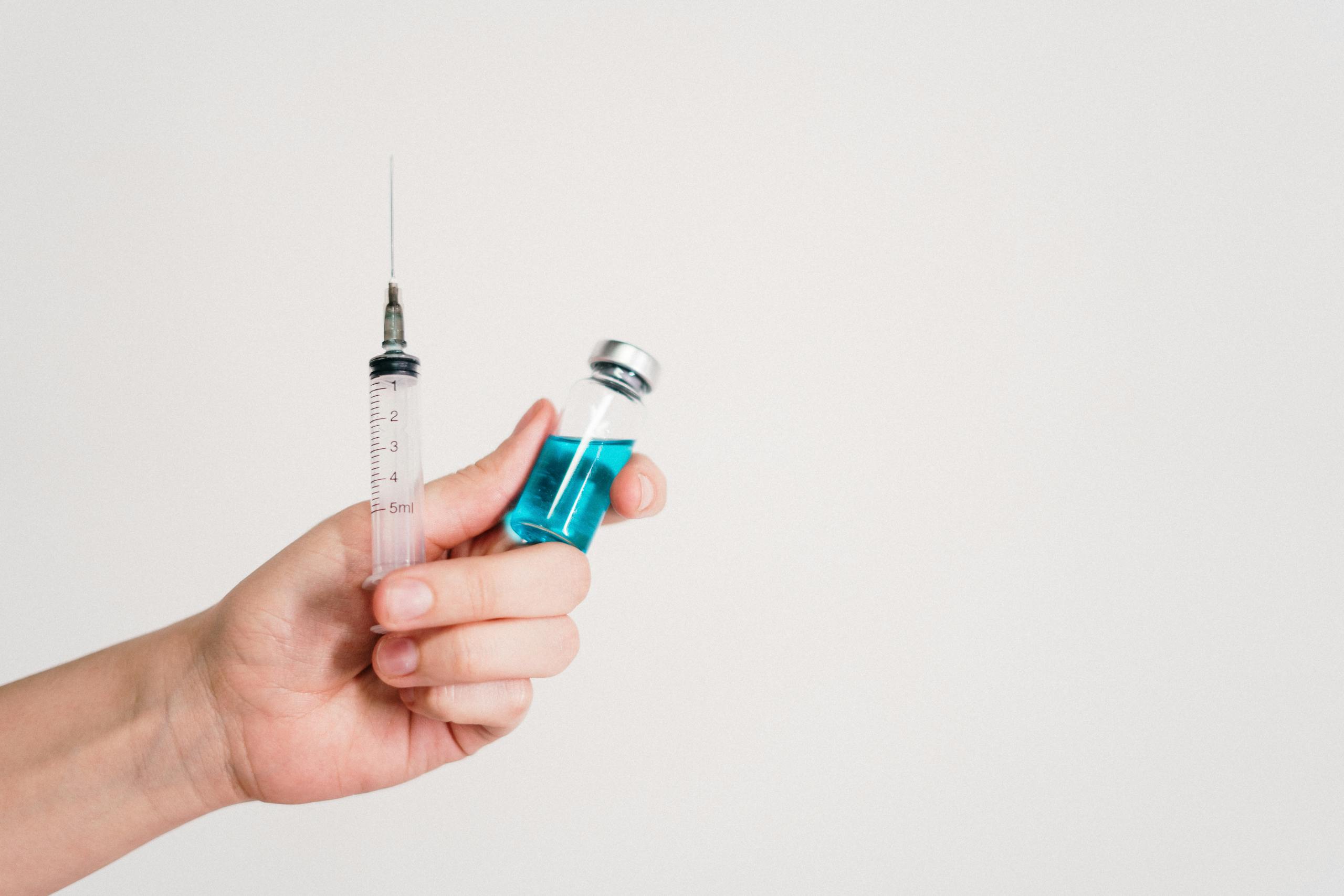
Antibody-based drugs have become a cornerstone of modern medicine, treating everything from cancer and autoimmune diseases to serious infections. But despite their effectiveness, they come with a major drawback: most antibody therapies must be delivered through intravenous (IV) infusions in hospitals or clinics. These infusions often require patients to sit for hours while large volumes of liquid are slowly administered. Now, researchers at MIT have developed a promising new formulation approach that could dramatically change how these powerful drugs are given — potentially turning long hospital visits into quick injections using a standard syringe.
At the heart of this breakthrough is a new way to package antibodies into highly concentrated solid particles that can be suspended in a small amount of liquid. Instead of needing more than 100 milliliters of fluid for a single dose, this new approach could reduce that volume to about 2 milliliters, making subcutaneous injection feasible for many antibody therapies.
Why Antibody Treatments Are So Hard to Inject
Therapeutic antibodies are typically dissolved in water-based solutions at relatively low concentrations, usually around 10 to 30 milligrams per milliliter. This low concentration means patients must receive large volumes to get an effective dose. For many treatments, especially cancer therapies like rituximab, this translates into IV infusions administered in a hospital setting.
Simply increasing the antibody concentration is not an option. When antibodies are packed too densely into liquid, the solution becomes extremely viscous, making it nearly impossible to push through a syringe without applying excessive force. Beyond a certain point, the injection force exceeds what is considered safe or practical for patients and clinicians.
This challenge has long limited the possibility of turning antibody infusions into simple injections — until now.
A New Way to Concentrate Antibodies Without Thick Liquids
The MIT team, led by chemical engineering professor Patrick Doyle, approached the problem from a different angle. Instead of forcing antibodies to remain dissolved at ultra-high concentrations, the researchers found a way to turn antibodies into tiny solid particles.
In their new method, antibodies are first dissolved in a watery solution and then broken into droplets suspended in an organic solvent called pentanol, creating an emulsion similar to oil mixed with vinegar. These droplets are then gently dehydrated, removing water and leaving behind solid antibody particles.
Each particle contains antibodies at a concentration of about 360 milligrams per milliliter, far higher than what is possible in conventional liquid formulations. To help stabilize the particles and prevent damage, the formulation includes a small amount of polyethylene glycol (PEG), a polymer widely used in pharmaceutical products.
Once the solid particles are formed, the organic solvent is removed and replaced with an aqueous solution similar to those already used for antibody infusions. The result is a suspension of antibody-rich particles that flows easily through a syringe.
Designed for Scalability and Manufacturing
One of the most important aspects of this new approach is how it is made. In earlier work, Doyle’s lab demonstrated a different way to concentrate antibodies using hydrogel particles, but that process required centrifugation, a step that is difficult to scale up for commercial drug manufacturing.
The new solvent-based dehydration method avoids centrifugation entirely. Instead, it uses microfluidic techniques to rapidly generate uniform droplets. This makes the process far more compatible with good manufacturing practice (GMP) standards, which are essential for pharmaceutical production.
The researchers believe this simplicity is key to real-world adoption. By relying on emulsification methods already used in industry, the technique could be scaled up without fundamentally redesigning existing manufacturing infrastructure.
Injection Force, Particle Size, and Stability
To ensure the formulation could actually be injected, the team carefully studied particle size and injection mechanics. By adjusting the flow rates in the microfluidic system, they were able to control particle diameters ranging from 60 to 200 microns.
Particles around 100 microns proved to be an ideal balance. When tested using a mechanical force tester, the suspension required less than 20 newtons of force to inject — well below the typical maximum threshold used to evaluate injectability. This means the formulation could realistically be delivered using a standard syringe without causing discomfort or technical issues.
Using a 2-milliliter syringe, which is common for subcutaneous injections, the formulation could deliver more than 700 milligrams of antibody in a single dose. That amount is sufficient for many therapeutic applications currently administered by IV.
Stability is another critical factor. The researchers found that their antibody particle formulations remained stable under refrigerated conditions for at least four months, an encouraging sign for storage, transport, and clinical use.
What This Could Mean for Patients
If this approach proves successful in further testing, it could significantly change the patient experience. Instead of scheduling hours-long hospital visits, many people could receive antibody treatments through short clinic visits or potentially even at home.
This would be especially beneficial for older patients and individuals with mobility challenges, who often struggle with frequent hospital trips. Reducing the need for infusion centers could also lower healthcare costs and ease pressure on medical facilities.
The researchers are now preparing to test these formulations in animal models to evaluate safety, efficacy, and how the particles behave inside the body. At the same time, they are working on refining and scaling the manufacturing process to support larger studies.
The Bigger Picture: The Push Toward Injectable Biologics
This MIT breakthrough fits into a broader trend in pharmaceutical research focused on making biologic drugs easier to deliver. Antibodies and other protein-based therapies are powerful but notoriously difficult to formulate. High viscosity, aggregation, and instability have long been barriers to injection-based delivery.
Researchers worldwide are exploring solutions such as novel polymers, particle-based systems, and advanced drying techniques to overcome these challenges. The ultimate goal is to move more treatments away from IV infusion and toward simple, patient-friendly injections, similar to how insulin or some modern biologics are administered today.
If successful, these advances could expand access to life-saving therapies, reduce healthcare burdens, and improve quality of life for millions of patients.
Research Reference
High-Concentration Antibody Formulation via Solvent-Based Dehydration – Advanced Materials
https://doi.org/10.1002/adma.202516429