Cannabis Use Does Not Interfere With Quitting Nicotine Vaping, Large Clinical Trial Finds
Adolescent and young adult nicotine vaping has become one of the most pressing public health issues in recent years. In fact, 2024 marked the first time nicotine vaping became the most commonly initiated drug among young people, overtaking alcohol and cannabis. Despite how widespread vaping has become, treatment options designed specifically to help young users quit remain limited.
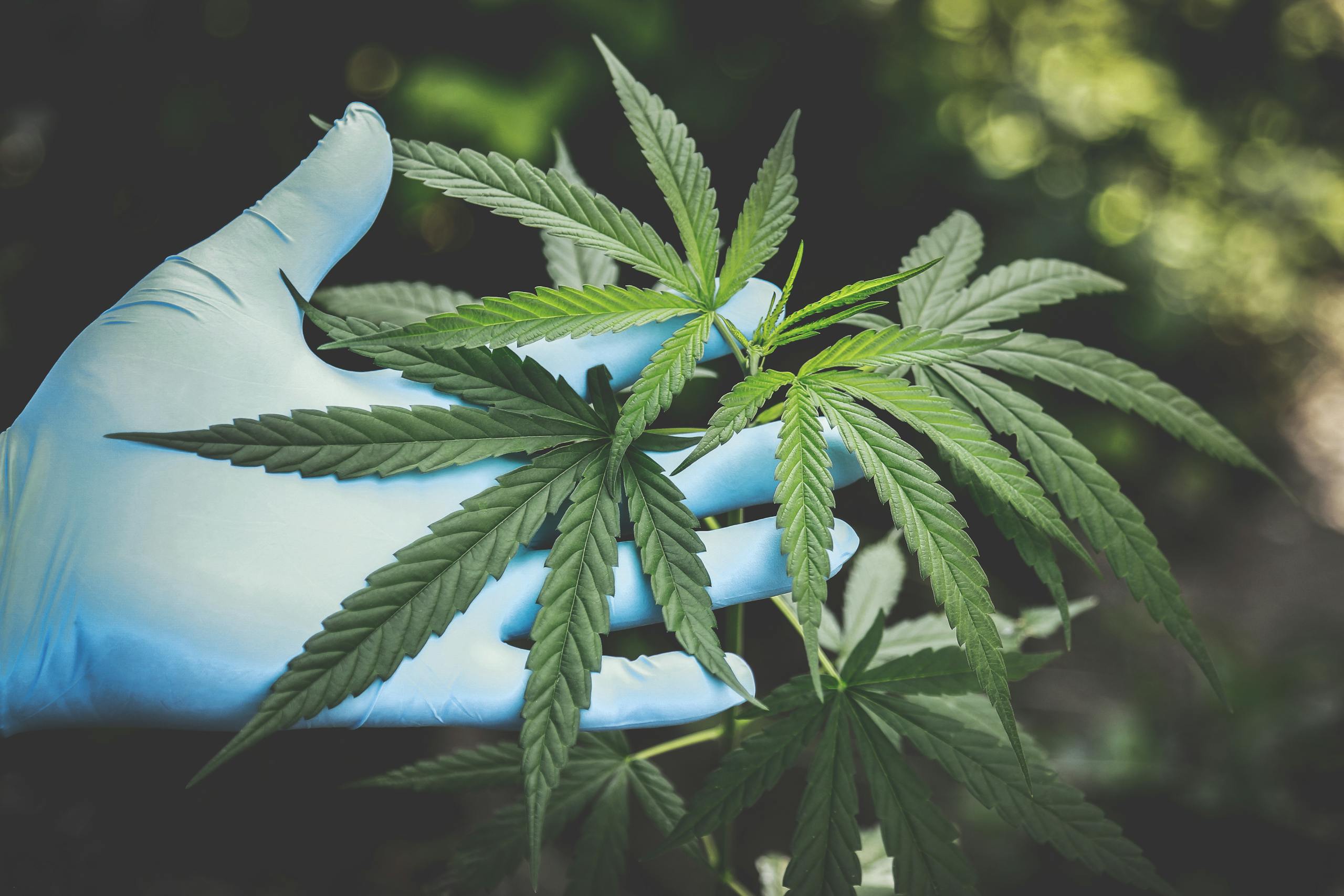
Adding another layer of complexity, research has consistently shown that nicotine vaping and cannabis use often overlap. A 2022 study published in Drug and Alcohol Dependence reported that nearly half of young people who vape nicotine also use cannabis. This overlap raised a key question for clinicians and researchers alike: does cannabis use make it harder to quit nicotine vaping?
A new clinical trial led by researchers at Mass General Brigham offers reassuring news. The study found that cannabis use does not reduce the chances of successfully quitting nicotine vaping, especially when evidence-based treatment is used. Even more importantly, the medication varenicline proved effective regardless of how frequently participants used cannabis.
Why Nicotine Vaping Among Youth Is Such a Concern
Nicotine exposure during adolescence and early adulthood is especially problematic because the brain is still developing well into the mid-20s. Nicotine can interfere with brain circuits involved in attention, learning, impulse control, and mood regulation. Vaping also delivers nicotine efficiently, often in high concentrations, making dependence easier to develop than many users expect.
While traditional cigarette smoking among teens has declined, vaping has filled that gap, creating a new generation of nicotine-dependent young people. Unfortunately, most smoking cessation treatments were developed for adult cigarette smokers, not younger individuals who vape. This mismatch has left a significant treatment gap.
The Role of Cannabis in Nicotine Vaping
Cannabis use is common among adolescents and young adults, and it frequently occurs alongside nicotine use. Some researchers have worried that cannabis might make quitting nicotine more difficult by reinforcing habitual behaviors, increasing cravings, or interfering with treatment adherence.
Before this study, evidence on the topic was limited and mixed. Many clinicians hesitated to prescribe medications like varenicline to young people who used cannabis, unsure whether it would work as intended or if cannabis use would undermine outcomes.
Inside the Clinical Trial
The new findings come from a randomized clinical trial involving 261 participants aged 16 to 25 who regularly used nicotine vapes. The trial ran for 12 weeks and was designed to test the effectiveness of varenicline for vaping cessation in young people.
Participants were randomly assigned to one of three groups:
- Varenicline treatment, a medication approved for smoking cessation
- Placebo, designed to mimic the medication without active ingredients
- Usual care, which did not include medication
Importantly, all participants had access to a nicotine cessation support text app, ensuring that everyone received some level of behavioral support throughout the study.
In a secondary analysis, researchers focused specifically on cannabis use patterns among participants. They divided individuals into three groups based on self-reported cannabis use in the past month:
- 28% reported no cannabis use
- 38% reported cannabis use one to three days per week
- 30% reported cannabis use four to seven days per week
This breakdown allowed researchers to examine whether increasing levels of cannabis use had any measurable effect on nicotine vaping cessation outcomes.
What the Researchers Found
The results were clear and somewhat surprising, even to the research team. Cannabis use did not reduce the likelihood of quitting nicotine vaping. Participants were just as likely to achieve vaping abstinence whether they used cannabis frequently, occasionally, or not at all.
Even more notable, varenicline significantly improved quit rates compared to behavioral support alone, regardless of cannabis use level. This means the medication worked consistently across all cannabis-use groups.
Another important finding was that varenicline did not change cannabis use patterns. Participants did not increase or decrease their cannabis consumption as a result of taking the medication, easing concerns that nicotine cessation treatment might unintentionally affect cannabis behavior.
Why Varenicline Matters
Varenicline works by targeting nicotine receptors in the brain. It reduces cravings and withdrawal symptoms while also blocking some of nicotine’s rewarding effects. Although it has been widely used for cigarette smoking cessation in adults, its role in vaping cessation—especially among young people—has only recently been studied.
Previous research on this same trial showed that varenicline led to substantially higher nicotine vaping abstinence rates compared to placebo or usual care. This new analysis adds an important layer by confirming that cannabis co-use does not weaken its effectiveness.
What This Means for Clinicians and Public Health
These findings have meaningful implications for real-world treatment. Clinicians can feel more confident offering evidence-based vaping cessation treatments to adolescents and young adults who use cannabis, without requiring cannabis abstinence as a prerequisite.
From a public health perspective, this research supports broader access to cessation medications and reinforces the idea that addressing nicotine dependence should not be delayed due to co-occurring substance use.
The results may also help reduce stigma. Young people who vape and use cannabis often encounter barriers to care, including assumptions that they are less likely to succeed in treatment. This study challenges that assumption directly.
Limitations and Areas for Future Research
Like all studies, this one has limitations. Cannabis use was self-reported, which can introduce some uncertainty. Additionally, the participants were motivated to quit vaping, meaning the results may not apply to individuals who are not actively seeking cessation.
Future research could explore integrated treatment approaches that address both nicotine and cannabis use simultaneously, potentially offering even greater benefits for individuals who use both substances regularly.
The Bigger Picture
As nicotine vaping continues to evolve, research like this plays a crucial role in shaping effective responses. The takeaway here is not that cannabis use is harmless, but that it does not appear to stand in the way of quitting nicotine vaping when proper treatment is provided.
For young people trying to quit vaping—and for the clinicians supporting them—this is encouraging news grounded in solid clinical evidence.
Research Reference:
Cannabis Use and Nicotine Vaping Cessation Outcomes, JAMA Network Open (2025)
https://jamanetwork.com/journals/jamanetworkopen/fullarticle/2842688