How Intimate Relationships Can Shape Heart Health According to New Research
Heart disease remains the leading cause of death worldwide, but new research is adding an important layer to how we understand recovery and long-term heart health. Beyond medications, surgeries, and lifestyle changes, scientists are now pointing to something far more personal: intimate relationships. A new study published in the Canadian Journal of Cardiology highlights how strong, supportive partnerships can significantly influence heart health outcomes, especially for people already living with cardiovascular disease.
This research shifts the spotlight away from treating heart disease as an individual problem and instead frames it as a shared experience for couples. The findings suggest that recovery is not just physical—it is deeply emotional, social, and relational.
Why Heart Health Is About More Than the Heart
Globally, cardiovascular disease accounts for millions of deaths every year. In Canada alone, one in 12 adults over the age of 20 lives with diagnosed heart disease, representing about 2.6 million people. Across the European Union, cardiovascular disease is responsible for roughly one-third of all deaths, and about 20% of deaths before the age of 65.
Traditionally, cardiac care has focused almost entirely on the patient. Medical teams emphasize exercise, diet, medication adherence, and clinical monitoring. While these factors are undeniably crucial, this new research highlights a missing piece: the role of close relationships in shaping health behaviors and emotional well-being.
The study argues that heart disease does not happen in isolation. When one partner is diagnosed, both members of the couple experience lifestyle changes, emotional stress, and long-term adjustments.
What the Study Looked At
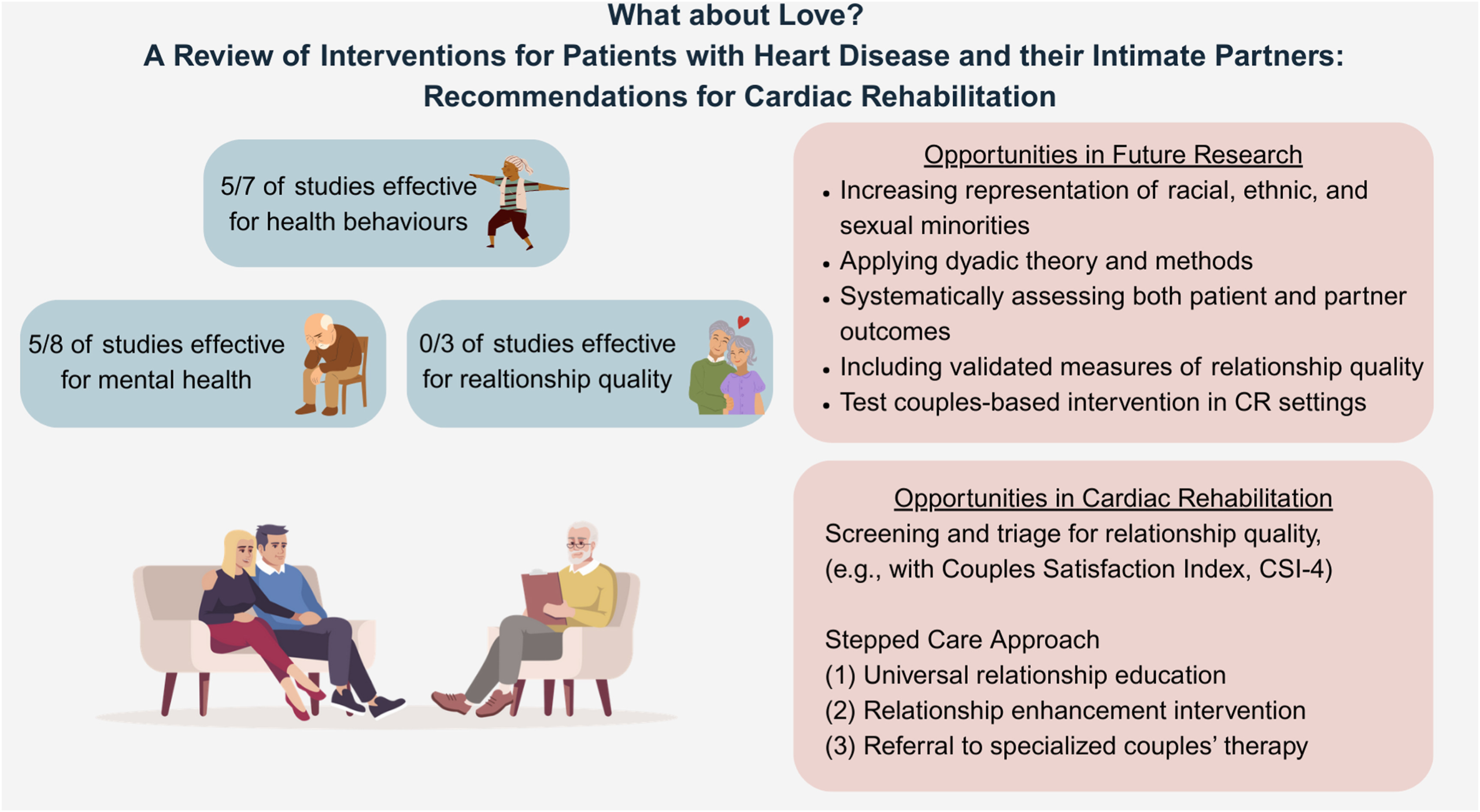
The researchers conducted a detailed review of couples-based cardiac rehabilitation interventions. These programs actively involve both the patient and their intimate partner in recovery efforts rather than focusing on the patient alone.
The evaluation examined how these interventions affected:
- Modifiable cardiovascular risk factors
- Cardiac outcomes
- Mental health
- Relationship quality
The results were striking. About 77% of the reviewed studies reported improvements in health behaviors when partners were involved. These improvements included better diet choices, increased physical activity, and improved medication adherence. Importantly, benefits were observed not only for heart-related outcomes but also for mental health and emotional adjustment.
Why Partner Involvement Makes a Difference
Partners often play a critical role in day-to-day recovery. They may be the ones preparing meals, encouraging exercise, helping manage medications, or noticing early warning signs of complications. The study emphasizes that partners are frequently the primary facilitators of recovery, even though they are rarely included in formal rehabilitation programs.
Couples-based interventions acknowledge this reality. Instead of expecting patients to make major lifestyle changes on their own, these programs treat heart health as a shared responsibility. This approach can make changes feel more achievable and sustainable over time.
However, the study also points out that while physical health improvements are well-documented, there is still limited research on how these programs impact relationship satisfaction and emotional resilience. This gap highlights an important area for future investigation.
The Emotional Side of Heart Disease
Heart disease can sometimes bring couples closer together, but it can also place significant strain on relationships. Anxiety, fear, role changes, and financial stress can all take a toll. The research notes that relationship quality has long been linked to heart health, making it surprising that so few interventions directly target relational well-being.
Emotional distress does not just affect mental health—it can influence sleep, inflammation, stress hormones, and overall cardiovascular risk. This makes emotional support and relationship stability a potentially powerful tool in cardiac recovery.
The authors argue that addressing emotional and relational challenges should be seen as a core component of heart care, not an optional extra.
Rethinking Cardiac Rehabilitation
Health care systems are increasingly moving toward patient-centered and family-oriented care, and this study fits squarely within that shift. Couples-based cardiac rehabilitation could help health professionals better support both patients and their partners during recovery.
An added benefit is that partners often share similar risk factors, such as diet, activity level, and stress exposure. Including them in rehabilitation programs may help prevent future heart problems in the partner as well.
The researchers propose a stepped care model within cardiac rehabilitation. This model would allow for systematic screening of couples to identify distress and provide appropriate referrals and support services. Rather than a one-size-fits-all approach, care could be tailored to each couple’s emotional and physical needs.
Why This Matters for the Future of Heart Care
The study calls for future research to include more diverse populations, as most existing studies focus on relatively narrow demographic groups. It also urges researchers to measure outcomes for both patients and partners, rather than focusing solely on the individual with heart disease.
By broadening the scope of cardiac care, researchers believe it may be possible to improve long-term health behaviors, enhance mental health, and potentially improve cardiovascular outcomes. Treating the heart while also nurturing relationships could lead to stronger emotional adjustment during recovery and better adherence to healthy lifestyles.
What We Already Know About Relationships and Heart Health
Even beyond this study, a large body of research supports the idea that social connections matter for cardiovascular health. Supportive relationships are associated with lower stress levels, better immune function, and reduced risk of chronic illness. On the other hand, loneliness, social isolation, and high-conflict relationships have been linked to higher rates of heart disease and poorer recovery outcomes.
This new research builds on that foundation by offering practical, evidence-based ways to integrate relationships into formal cardiac care programs.
A More Complete View of Recovery
At its core, this study reinforces a simple but powerful idea: heart health is not just about the heart. It is shaped by emotions, behaviors, daily habits, and the people closest to us. By including intimate partners as active participants in recovery, cardiac rehabilitation programs may become more effective, more humane, and more sustainable.
As health systems continue to evolve, couples-based approaches could play an important role in redefining what successful heart care looks like—not just longer lives, but better quality of life for both partners.
Research paper reference:
What About Love? A Review of Cardiac Rehabilitation Interventions for Patients and their Intimate Partners, Canadian Journal of Cardiology (2025).
https://doi.org/10.1016/j.cjca.2025.09.014