Scientists Discover How Astrocytes and the CCN1 Protein Keep Adult Brains Stable While Controlling Flexibility
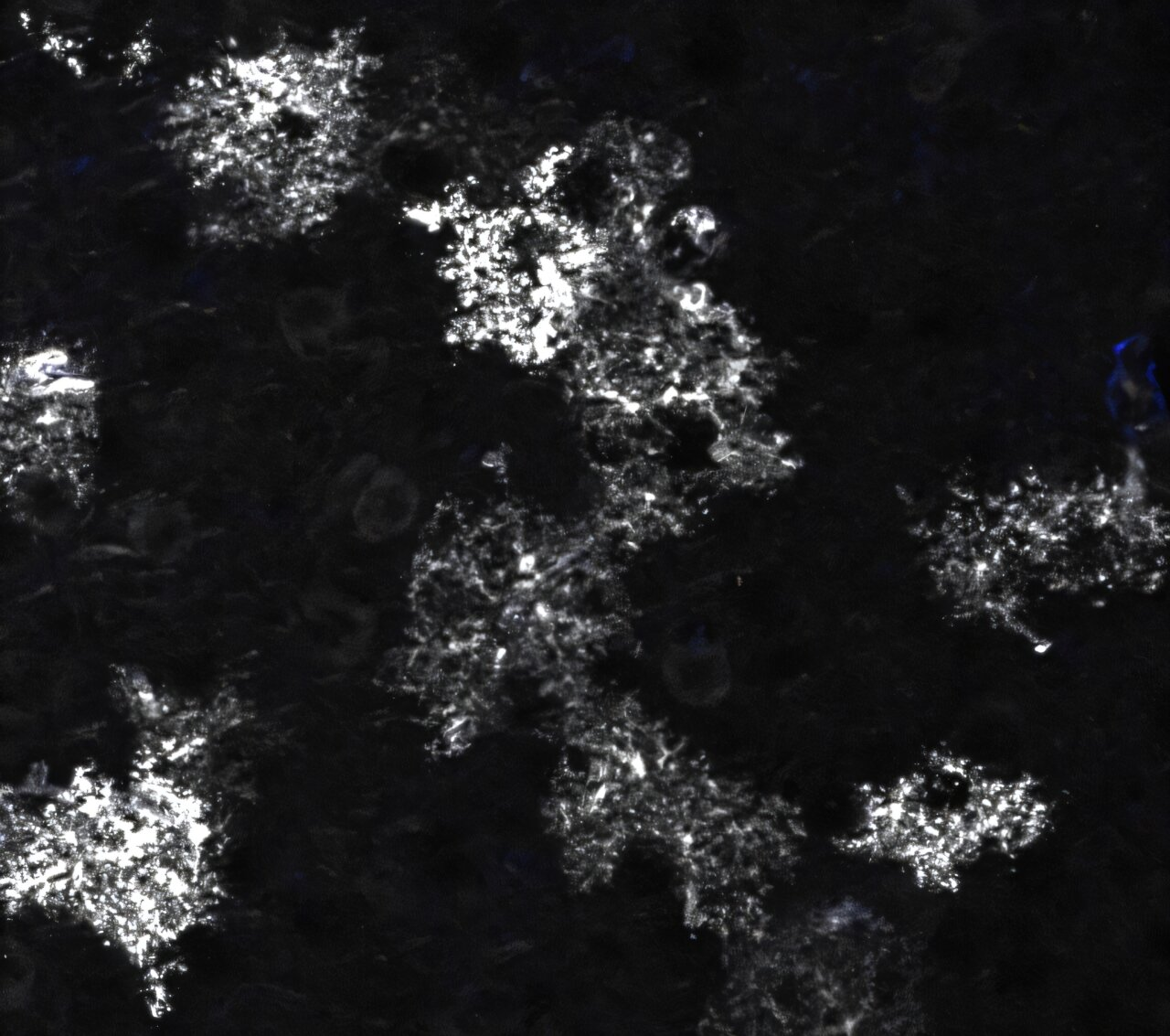
For a long time, scientists have known that young brains are incredibly flexible. Childhood is marked by constant learning, rapid development, and frequent rewiring of neural connections. As we grow older, however, the brain gradually becomes more stable. This stability is essential for preserving memories, maintaining learned skills, and ensuring consistent brain function. But complete rigidity would be a problem—adult brains still need some ability to adapt, recover from injury, and learn new things.
A new study from researchers at the Salk Institute sheds light on how the brain strikes this delicate balance. The scientists have identified a key molecular mechanism that actively stabilizes neural circuits in adulthood, while also revealing how that stability might be adjusted when flexibility is needed. The discovery centers on astrocytes, a type of non-neuronal brain cell, and a protein they release called CCN1.
How Brain Stability and Plasticity Change Over Time
Early in life, the brain exists in a highly plastic state. Every new experience reshapes neural circuits as synapses form, strengthen, weaken, or disappear altogether. This intense remodeling allows children to rapidly acquire language, motor skills, and sensory understanding.
As development progresses, many of these circuits become locked into place. This increased stability ensures that essential functions—like vision, memory, and coordinated movement—remain reliable over time. The ability of the brain to change, known as neuroplasticity, does not vanish in adulthood, but it becomes more tightly regulated.
Until now, scientists did not fully understand how the adult brain maintains this stable state or which cellular players actively enforce it.
Astrocytes Step Into the Spotlight
Astrocytes belong to a broader family of brain cells known as glia, which also includes oligodendrocytes and microglia. While neurons tend to get most of the attention, glial cells are just as abundant in the brain. For decades, astrocytes were thought to play mostly supportive roles—maintaining nutrients, cleaning up waste, and keeping neurons healthy.
Recent research has overturned that idea. Astrocytes are now recognized as active participants in shaping brain circuits, especially during early development. What remained unclear was their role later in life, once circuits have largely matured.
The Salk Institute study reveals that astrocytes continue to exert powerful control over brain function in adulthood by secreting the protein CCN1, which acts as a stabilizing signal for neural circuits.
The Discovery of CCN1’s Role in Adult Brains
To investigate how astrocytes influence circuit stability across the lifespan, researchers focused on the mouse visual cortex, a well-characterized brain region that processes visual information. Findings from this area often apply broadly to other brain regions, making it an ideal testing ground.
The team compared gene activity in astrocytes during two key phases: the highly plastic critical period of early development and the more stable adult stage. One protein stood out. CCN1 was strongly associated with circuit stability in adulthood.
When researchers artificially increased CCN1 levels in astrocytes during early development, brain circuits matured faster than usual. Inhibitory neurons and oligodendrocytes showed increased maturation, and overall plasticity was reduced. In simple terms, the brain became stable earlier than it normally would.
On the flip side, when CCN1 was removed from the adult brain, circuits that are typically stable became destabilized. This demonstrated that adult brain stability is not passive—it is actively maintained by astrocytes through CCN1 signaling.
How CCN1 Stabilizes Neural Circuits
One reason CCN1 is so effective lies in its ability to interact with many different cell types. CCN1 binds to integrin proteins on the surface of excitatory neurons, inhibitory neurons, oligodendrocytes, and microglia. By doing so, it coordinates the maturation and behavior of multiple cell populations at once.
This broad reach allows CCN1 to reduce unnecessary remodeling in adult circuits, keeping neural connections consistent and reliable. While this stability is crucial for normal brain function, it also places limits on how much the adult brain can adapt.
The study highlights that astrocytes are not just passive caretakers. They actively decide how flexible or stable neural circuits should be at different stages of life.
Why Flexibility Still Matters in Adulthood
Although stability is essential, there are times when increased plasticity would be beneficial. Brain injuries, strokes, and neurodegenerative diseases often involve the loss or damage of neural connections. In these situations, the ability to remodel circuits could significantly improve recovery.
The findings suggest that modulating CCN1 levels could help reopen windows of plasticity in the adult brain. By temporarily reducing CCN1 activity, it may be possible to encourage neural rewiring where repair is needed.
This has major implications for conditions such as stroke, Alzheimer’s disease, depression, and post-traumatic stress disorder (PTSD), all of which involve disrupted neural circuits.
Astrocytes and Alzheimer’s Disease Research
The discovery of CCN1 fits into a broader push to better understand glial cells in neurological disease. The Salk Institute has emphasized astrocyte research as part of its broader focus on Alzheimer’s disease, especially during its recent initiatives highlighting non-neuronal contributions to brain disorders.
Astrocytes are increasingly recognized as key players in inflammation, synaptic health, and disease progression. CCN1 adds another layer to this picture, linking astrocytes directly to the long-term stability of neural networks.
What This Means for Future Treatments
This study is part of a longer-term effort to identify extracellular proteins that control brain plasticity. CCN1 is the first such astrocyte-derived protein identified in this line of research, but it is unlikely to be the last.
Understanding how astrocytes regulate stability opens new avenues for precision therapies—treatments that could fine-tune plasticity without causing widespread disruption to brain function. Instead of forcing the brain into an unnatural state, future therapies might work with its existing regulatory systems.
The Bigger Picture of Brain Plasticity
Neuroplasticity is often described as a single process, but in reality, it involves many overlapping mechanisms operating at different times and locations in the brain. The discovery of CCN1 shows that plasticity and stability are not opposites, but carefully balanced states maintained by active biological processes.
The adult brain is not frozen in time. It is constantly maintained, monitored, and adjusted by cells working behind the scenes—astrocytes among the most important of them.
Research Reference
Astrocyte CCN1 stabilizes neural circuits in the adult brain
Nature (2025)
https://www.nature.com/articles/s41586-025-09770-w