Early Peanut Introduction Guidelines Are Widely Known but Many Parents Still Struggle to Get the Details Right
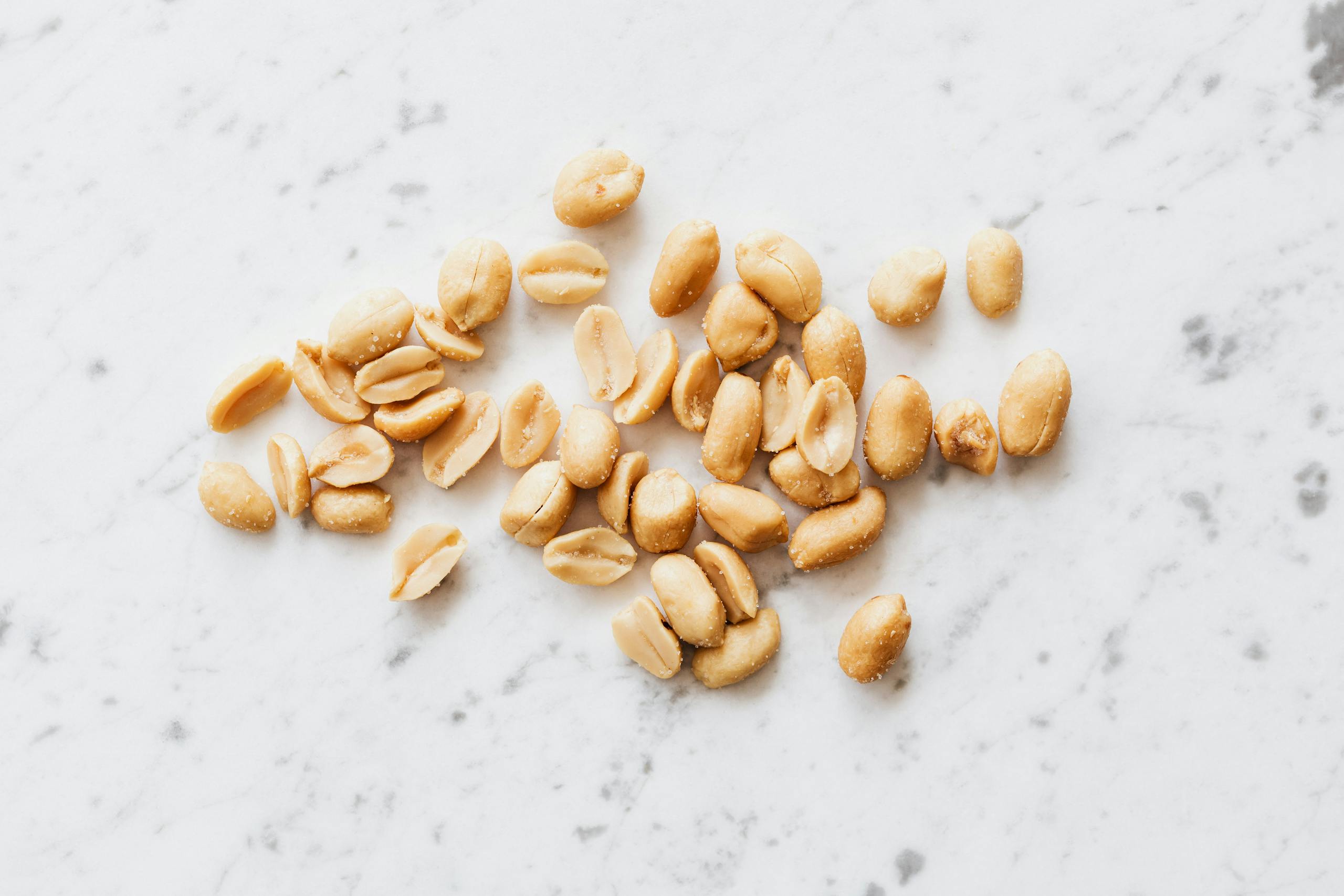
Early peanut introduction has become one of the most important strategies for preventing peanut allergies in children. Most parents today have at least heard that feeding peanut-containing foods to babies early can reduce the risk of allergy. However, a new study published in JAMA Network Open shows that while awareness is high, understanding and correct implementation are often lacking. The findings highlight widespread confusion about why early peanut introduction matters, when it should start, how often peanuts should be given, and which babies are at higher risk.
What the Study Looked At
The research was led by pediatrician Waheeda Samady and her team at Ann & Robert H. Lurie Children’s Hospital of Chicago, in collaboration with Northwestern University Feinberg School of Medicine. Instead of analyzing medical records or survey data alone, the researchers took a qualitative approach. They conducted 49 in-depth interviews with parents of infants aged 8 to 13 months.
These parents came from diverse racial, ethnic, and socioeconomic backgrounds and were recruited from a range of healthcare settings, including academic primary care clinics, federally qualified health centers, and private pediatric practices in Chicago. The goal was to understand how parents perceive early peanut introduction guidelines and how those perceptions affect real-world feeding practices.
Awareness Is High, But Confusion Runs Deep
One of the most striking findings was that most parents were aware of early peanut introduction guidelines. However, awareness did not necessarily translate into correct understanding. Many parents misunderstood the purpose of introducing peanut-containing foods early in life.
Instead of viewing early peanut introduction as a way to train the immune system and prevent peanut allergy, some parents believed it was meant to test whether their baby was already allergic. This misconception created fear. Parents worried that feeding peanuts too early might trigger a severe allergic reaction, leading many to delay introduction or avoid it altogether.
This confusion around purpose directly undermines the effectiveness of the guidelines, which rely heavily on early, consistent exposure to peanut proteins.
Timing and Consistency Matter More Than Many Parents Realize
The study also found confusion about when to introduce peanuts and how often to continue feeding them. Current guidelines recommend introducing peanut-containing foods as soon as a baby starts eating solid foods, generally before or around 6 months of age. For babies with certain risk factors, introduction may be recommended even earlier.
Many parents in the study either introduced peanuts later than recommended or did so only once or twice. However, research shows that one or two exposures are not enough. To reduce the risk of peanut allergy, peanut-containing foods should be given regularly, often about twice per week, throughout the first year of life and into toddlerhood.
Without this consistency, the protective effect of early introduction may be lost.
The Overlooked Role of Eczema as a Risk Factor
Another important gap in parental understanding involved eczema. The study found that most parents did not realize that eczema significantly increases a baby’s risk of developing food allergies, including peanut allergy.
Many parents assumed that family history was the main risk factor. While family history does play a role, eczema—especially moderate to severe eczema in infancy—is one of the strongest predictors of future food allergy. For babies with eczema, early peanut introduction is even more critical.
In such cases, guidelines often recommend starting peanut-containing foods as early as 4 months of age, alongside good skincare practices, to maximize allergy prevention.
Pediatricians Are the Primary Source of Information
Parents consistently reported that their pediatrician was their main source of information about early peanut introduction. This places pediatricians at the center of guideline implementation. When parents received clear, specific guidance, they were more confident and more likely to follow recommendations correctly.
However, the study also revealed challenges on the healthcare side. Well-child visits are often short, and pediatricians may not have enough time or resources to explain the why, when, how, and how often of early peanut introduction in detail. This can leave parents with partial information or lingering doubts.
Fear of Allergic Reactions Remains a Major Barrier
Fear was a recurring theme in the interviews. Parents worried about severe allergic reactions, even though such reactions are rare in infancy. When reactions do occur, they are typically mild, such as hives, minor swelling, or vomiting.
Without clear reassurance and practical guidance on what to watch for and how to respond, fear can outweigh scientific evidence. The study suggests that parents need simple action plans, reassurance about low risk, and clear instructions on safe ways to introduce peanut-containing foods at home.
Why Early Peanut Introduction Matters So Much
Early peanut introduction guidelines were first issued in 2017, following landmark research that showed an over 80% reduction in peanut allergy among children who were exposed to peanuts early and regularly. Peanut allergy affects about 2% of children in the United States and is one of the least likely food allergies to be outgrown.
Because peanut allergy often persists into adulthood and can be life-threatening, prevention through early dietary exposure is considered a major public health priority.
How Peanut Introduction Is Typically Done Safely
It’s important to note that early peanut introduction does not mean feeding whole peanuts, which are a choking hazard. Instead, age-appropriate forms are used, such as thinned peanut butter, peanut powder mixed into purees, or peanut-containing snacks designed for infants.
Introducing peanuts at home, during daytime hours, and when the baby is healthy can help parents feel more confident and prepared.
The Bigger Picture of Food Allergy Prevention
The findings of this study fit into a broader shift in how pediatric allergy prevention is approached. In the past, parents were often advised to delay allergenic foods. Today, evidence shows that early and regular exposure to allergenic foods like peanuts, eggs, and dairy may actually reduce allergy risk.
Some population-level data already suggest that early introduction guidelines are associated with declining rates of peanut allergy in certain regions, though continued monitoring is needed.
What Needs to Change Going Forward
The study concludes that parents are generally open to early peanut introduction, but they need clearer, more practical guidance. Improved educational materials, better communication during pediatric visits, and consistent messaging about eczema, timing, and frequency could significantly improve outcomes.
Empowering parents with knowledge—not fear—is key to making early peanut introduction guidelines work as intended.
Research paper reference:
https://jamanetwork.com/journals/jamanetworkopen/fullarticle/2842887