Deep Ocean Earthquakes Are Quietly Powering Massive Phytoplankton Blooms in the Southern Ocean

Scientists have long known that the Southern Ocean surrounding Antarctica plays an outsized role in regulating Earth’s climate and marine ecosystems. Now, a new study has revealed an unexpected player influencing this vast ocean system: deep ocean earthquakes. According to research led by scientists at Stanford University, seismic activity thousands of meters below the ocean surface can directly affect the size and productivity of massive phytoplankton blooms visible from space.
This discovery uncovers a previously unknown connection between tectonic activity on the ocean floor and life at the ocean’s surface, offering new insight into how Earth’s interior processes shape marine ecosystems and global carbon cycling.
Phytoplankton and Why They Matter So Much
Phytoplankton are microscopic, plant-like organisms that float in the sunlit upper layers of the ocean. Despite their tiny size, they are enormously important. They form the base of the marine food web, feeding everything from microscopic zooplankton to krill, fish, and even the largest whales.
Beyond supporting marine life, phytoplankton play a critical role in Earth’s climate system. Through photosynthesis, they absorb carbon dioxide from the atmosphere, convert it into organic matter, and release oxygen. In fact, phytoplankton are responsible for producing a significant portion of the oxygen humans breathe.
In many parts of the ocean, including the Southern Ocean, phytoplankton growth is limited by the availability of a single key nutrient: iron. Even when other nutrients are abundant, a shortage of iron can keep phytoplankton populations in check.
A Mysterious Bloom That Kept Changing Size
The new research focuses on a recurring phytoplankton bloom in the Southern Ocean near the Australian Antarctic Ridge, a rugged and volcanically active underwater mountain chain that is part of the global mid-ocean ridge system.
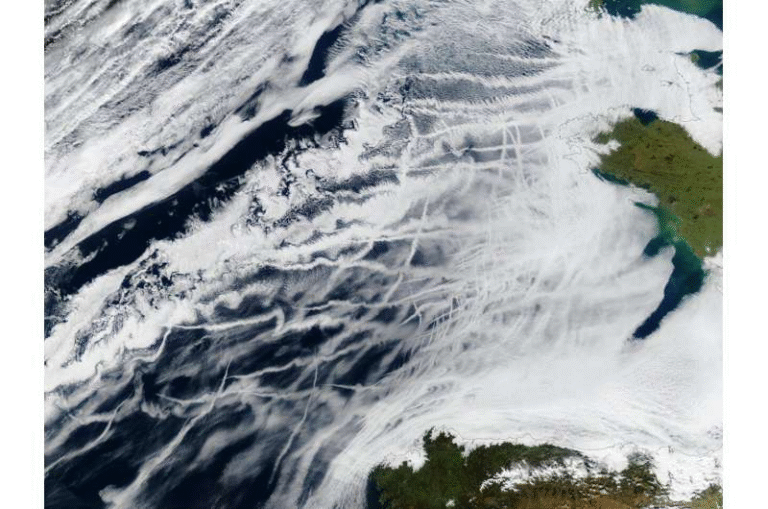
This bloom has been observed repeatedly in satellite images since the late 1990s. It always appears in the same location and at roughly the same time each year, during the Southern Hemisphere summer when sunlight is strongest. However, one thing puzzled scientists: the bloom’s size and productivity varied wildly from year to year.
In some years, the bloom expanded to cover an area roughly the size of California. In other years, it shrank dramatically, closer to the size of Delaware. Traditional factors such as sea ice cover, surface water temperature, and sunlight could not fully explain these dramatic fluctuations.
That mystery pushed researchers to look deeper—literally.
The Role of Hydrothermal Vents Beneath the Bloom
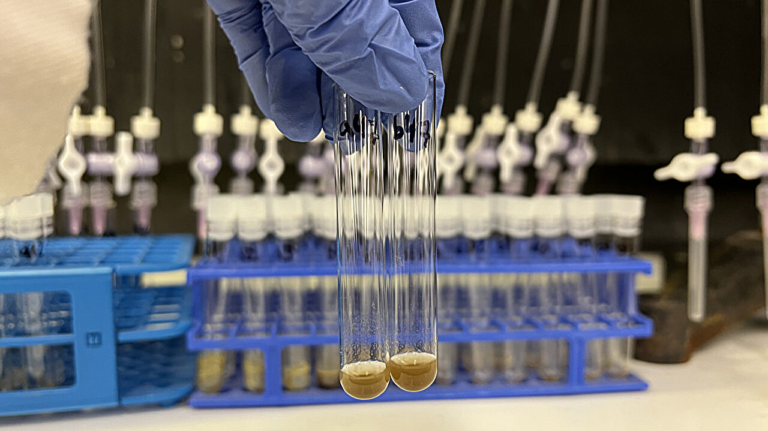
During a research cruise in 2014, scientists collected water samples from different depths in the region and measured their iron concentrations. Shortly afterward, other researchers discovered that the area beneath the bloom is dotted with hydrothermal vents.
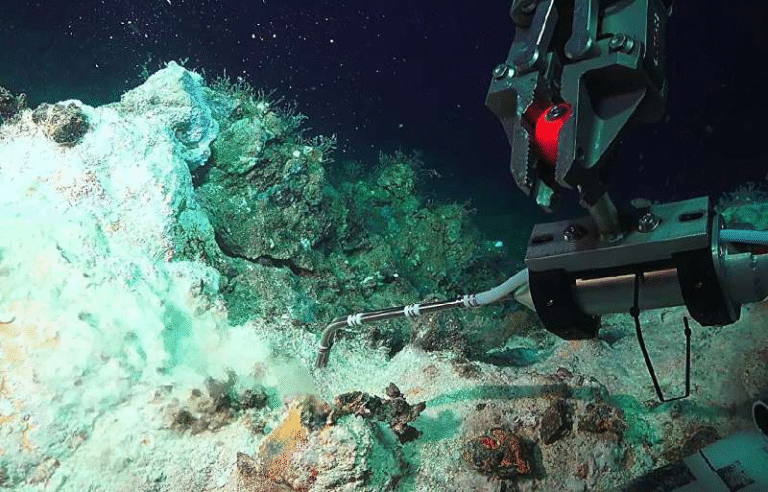
Hydrothermal vents are openings in the seafloor where superheated, mineral-rich fluids escape from Earth’s crust. These vents are well known for supporting unique deep-sea ecosystems, but they also release iron and other trace metals into the surrounding ocean.
In earlier work, the research team showed that iron from these vents can fuel phytoplankton blooms in the Southern Ocean. What remained unclear was why the bloom’s productivity changed so dramatically from one year to the next.
Earthquakes Enter the Picture
The breakthrough came when researchers began examining earthquake records from the region. They noticed a striking pattern: years with higher seismic activity near the hydrothermal vent system were followed by larger and more productive phytoplankton blooms.
Specifically, earthquakes with a magnitude of 5 or greater occurring in the months leading up to the summer growing season appeared to make a major difference. When seismic activity was elevated, the following bloom consistently grew denser and more expansive.
The explanation lies in how earthquakes affect hydrothermal vents. Seismic shaking can alter the internal plumbing of vents, clearing blocked pathways, cracking open new fractures, and allowing more heated, iron-rich fluid to escape. Movement of magma beneath the seafloor can also temporarily increase vent temperatures and change the chemistry of the fluids being released.
In short, more earthquakes mean more iron entering the ocean, and in an iron-limited region like the Southern Ocean, that extra iron can dramatically boost phytoplankton growth.
A Faster Route to the Surface Than Anyone Expected
One of the most surprising findings of the study involves how quickly iron from deep-sea vents can reach the ocean surface. The hydrothermal vents beneath the bloom sit about 1,800 meters (nearly 6,000 feet) below the surface.
For years, the prevailing assumption among oceanographers was that hydrothermal iron would take decades to reach surface waters, spreading slowly and traveling great distances in the deep ocean. This study challenges that idea.
The researchers found evidence suggesting that iron-rich fluids can rise to the surface within weeks to a few months, fast enough to influence phytoplankton growth during the same seasonal cycle. Exactly how this rapid vertical transport happens is still under investigation, but it likely involves a combination of buoyant plumes, ocean currents, and complex mixing processes.
A research expedition to the Australian Antarctic Ridge in December 2024 collected new data that may help clarify these mechanisms.
Why This Matters for Marine Life
The ecological implications of this discovery are significant. Phytoplankton blooms support krill and other small crustaceans, which in turn feed fish, penguins, seals, and whales. The Southern Ocean is a crucial feeding ground for many large marine animals, including humpback whales, which have been observed visiting the bloom region.
If earthquake-driven changes in iron supply affect bloom size and productivity, they could ripple through the entire Southern Ocean food web. This adds a new layer of complexity to understanding how marine ecosystems respond to environmental change.
Implications for Climate and Carbon Cycling
Phytoplankton blooms are also a key part of the ocean’s biological carbon pump, a process that removes carbon dioxide from the atmosphere and stores it in the ocean. Larger, more productive blooms can increase the amount of carbon drawn down from the air.
Understanding what controls phytoplankton growth helps scientists improve climate models and predictions about how much carbon the ocean can absorb in the future. The idea that seismic activity could influence carbon uptake was not previously considered and opens an entirely new area of research.
Could This Happen Elsewhere?
Hydrothermal vents exist along mid-ocean ridges across the globe, not just in the Southern Ocean. This raises an important question: are earthquakes influencing phytoplankton growth in other parts of the ocean as well?
At the moment, scientists do not know how widespread this phenomenon might be. Many vent systems are located in remote and difficult-to-study regions, making direct observations challenging. Still, the study suggests that Earth’s internal processes may play a much larger role in shaping ocean ecosystems than previously recognized.
A New Connection Between Earth’s Interior and Life at the Surface
This research marks the first documented evidence of a direct link between deep-sea earthquake activity and surface-level phytoplankton growth. It highlights how tightly connected Earth’s systems really are—from shifting tectonic plates far below the ocean floor to microscopic organisms floating at the surface, quietly influencing the planet’s climate.
As scientists continue to explore these connections, our understanding of the ocean’s role in regulating life on Earth is likely to grow even deeper.
Research paper:
https://doi.org/10.1038/s41561-025-01862-6