Strategic River Sensors Could Have Warned Communities Before the Deadly Texas Camp Mystic Flood
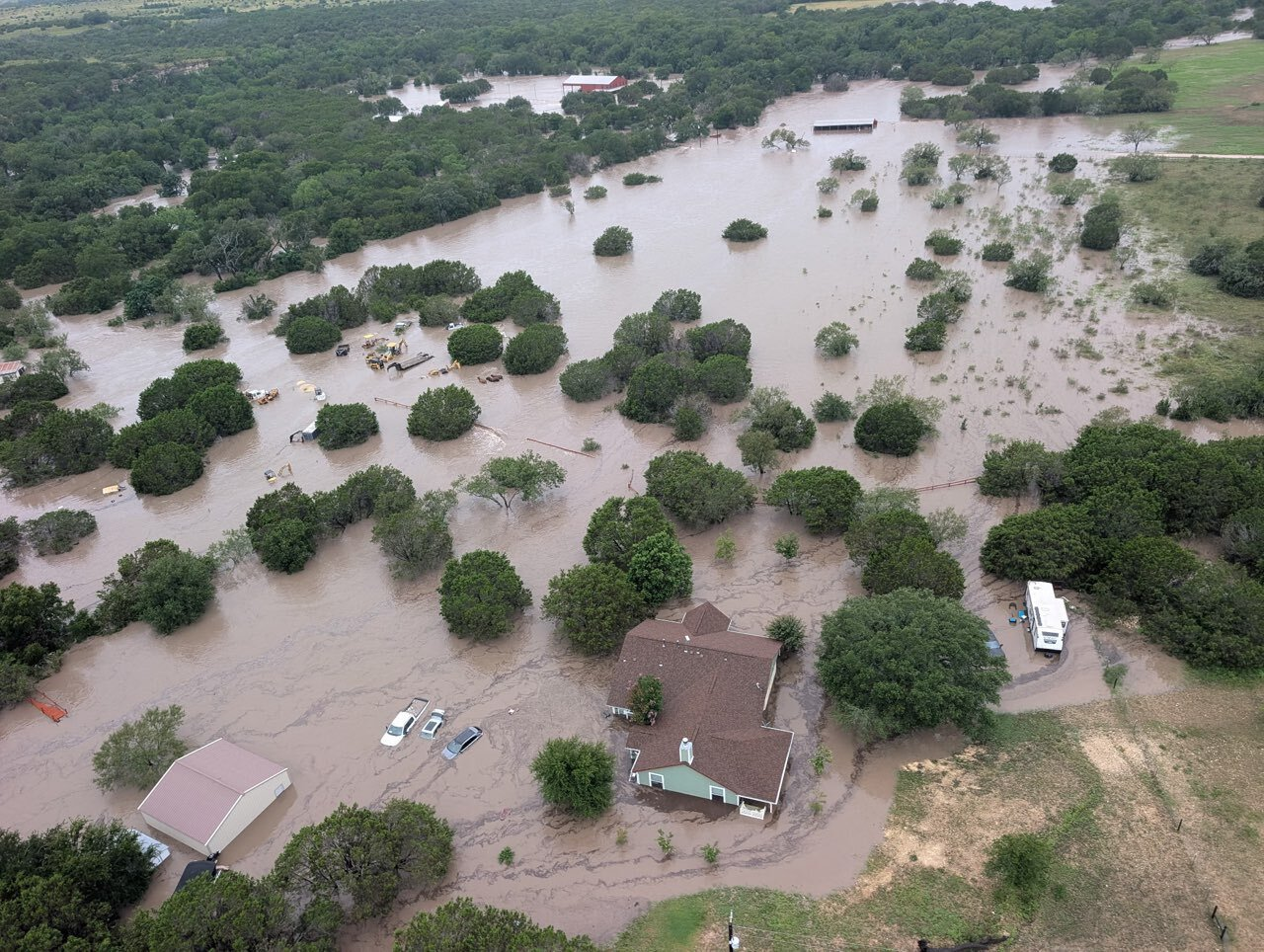
On July 4, 2025, a devastating flash flood swept through Camp Mystic, a summer camp located along the Guadalupe River in Kerr County, Texas, resulting in the deaths of 27 people, including 25 children. The tragedy unfolded with shocking speed, leaving families, local communities, and scientists asking a difficult question: could this disaster have been foreseen earlier?
New research presented at the American Geophysical Union Annual Meeting 2025 (AGU25) suggests that the answer may be yes. According to scientists who reconstructed the flood in detail, strategically placed river sensors upstream could have provided crucial early warnings, potentially giving communities precious hours to prepare or evacuate.
What Happened at Camp Mystic
The flooding occurred after an intense and fast-moving storm system stalled over central Texas. In just 12 hours, the region received over 200 millimeters (more than seven inches) of rain. This extreme rainfall rapidly overwhelmed creeks and tributaries feeding into the Guadalupe River.
The most alarming detail is how quickly the river responded. Water levels on the Guadalupe River rose by nearly 8 meters (about 26 feet) in just 45 minutes. This sudden surge left little to no time for people at Camp Mystic to react. The camp sits at the confluence of the South Fork of the Guadalupe River and Cypress Creek, a location that can become extremely dangerous during heavy rainfall events.
Despite the severity of the storm, there were no upstream river-level monitoring devices in place near the camp. Without real-time data on rising water levels, local authorities and residents had limited situational awareness as the floodwaters rushed downstream.
Recreating the Flood With Science
To understand what went wrong and what could be improved, a research team from the University of South Carolina, led by hydrologist Ayman Mokhtar Nemnem, conducted a detailed forensic analysis of the flood.
Using computer-based hydrologic and hydraulic simulations, the researchers recreated the storm’s rainfall patterns and the resulting flood evolution across the watershed. Their goal was not simply to analyze damage, but to identify missed opportunities for early warning.
The modeling revealed something striking. Several upstream tributaries showed rapidly rising water levels hours before the flood hit Camp Mystic. These upstream signals, if monitored in real time, could have served as early warning indicators for downstream locations.
In short, the flood did not arrive out of nowhere. The warning signs were there — they just weren’t being measured.
The Gaps in River Monitoring
The United States is home to more than 11,000 river gauges operated by the U.S. Geological Survey (USGS). These gauges provide invaluable data for flood forecasting, water management, and emergency response. However, many rural areas remain unmonitored, especially smaller tributaries and headwater streams.
Camp Mystic fell into one of these gaps. The stretch of river and creeks upstream of the camp had no active water-level sensors, meaning there was no direct way to detect rising waters before the floodwaters arrived.
This lack of coverage is not unique to Texas. Across the country, rural and remote regions often lack the infrastructure needed for real-time flood monitoring, leaving communities vulnerable during extreme weather events.
Low-Cost Sensors as a Possible Solution
One of the most promising aspects of the new research is its focus on low-cost, solar-powered river sensors. The University of South Carolina team is developing devices designed to be affordable, open-source, and easy to deploy without extensive infrastructure.
These sensors can be installed at key upstream locations, particularly on tributaries where water levels begin to rise early during heavy rainfall. Once activated, the sensors can transmit water-level data in real time, serving as an early warning bell for downstream communities.
The goal is not to replace existing government-operated gauges, but to fill in the gaps, especially in areas where installing traditional gauges is too expensive or logistically challenging.
According to the researchers, monitoring just a handful of strategic locations upstream could provide several hours of advance warning, enough time to trigger evacuations, sound alarms, or shut down vulnerable facilities.
When Models Fall Short
Another critical finding from the study is that the July 4 flood exceeded historical flood predictions. Water levels on the Guadalupe River surpassed what models typically associate with 100-year or even 1,000-year flood events.
This matters because much of today’s flood planning relies on historical data and probability-based models. When real-world events exceed those assumptions, infrastructure and emergency plans can quickly become inadequate.
The researchers emphasize that climate-driven changes in rainfall patterns are making extreme events more frequent and more intense. As a result, relying solely on historical flood records is no longer sufficient for risk planning.
Flash Floods Are Becoming More Common
The Camp Mystic tragedy occurred during a year of record-breaking flood activity. In 2025 alone, the United States issued more than 5,100 flash flood warnings, the highest number ever recorded and 400 more than the previous record.
Flash floods are especially dangerous because they develop rapidly and often strike with little notice. Steep terrain, narrow river valleys, and intense rainfall — all features of central Texas — significantly increase the risk.
Scientists warn that as climate change alters precipitation patterns, communities in flood-prone regions will need to adopt more proactive and localized monitoring systems to stay safe.
Why Early Warning Time Matters
Even a short advance warning can save lives. A lead time of one to three hours can allow camps, schools, and residential areas to move people out of harm’s way, secure equipment, and coordinate emergency response.
In the case of Camp Mystic, upstream sensors could have detected dangerous conditions well before floodwaters reached the campgrounds. While no system can eliminate flood risk entirely, the researchers argue that early warnings significantly improve survival odds.
Looking Ahead
The findings presented at AGU25 are already influencing conversations around flood preparedness and infrastructure investment. By combining modern modeling techniques, real-time monitoring, and low-cost technology, scientists hope to create warning systems that are accessible to even the smallest communities.
The Camp Mystic flood stands as a tragic reminder of what happens when extreme weather meets limited monitoring. At the same time, it highlights a path forward — one where better data, smarter placement of sensors, and proactive planning could prevent similar losses in the future.
Research Reference
Forensic Analysis of the Camp Mystic Flash Flood Event and Opportunities for Early Warning Systems Using Low-Cost Sensors (AGU25 Abstract NH43G-0500)
https://agu.confex.com/agu/agu25/meetingapp.cgi/Paper/NH43G-0500