Ancient Plants Use Infrared Heat to Talk to Insects, Revealing One of the Oldest Pollination Signals on Earth
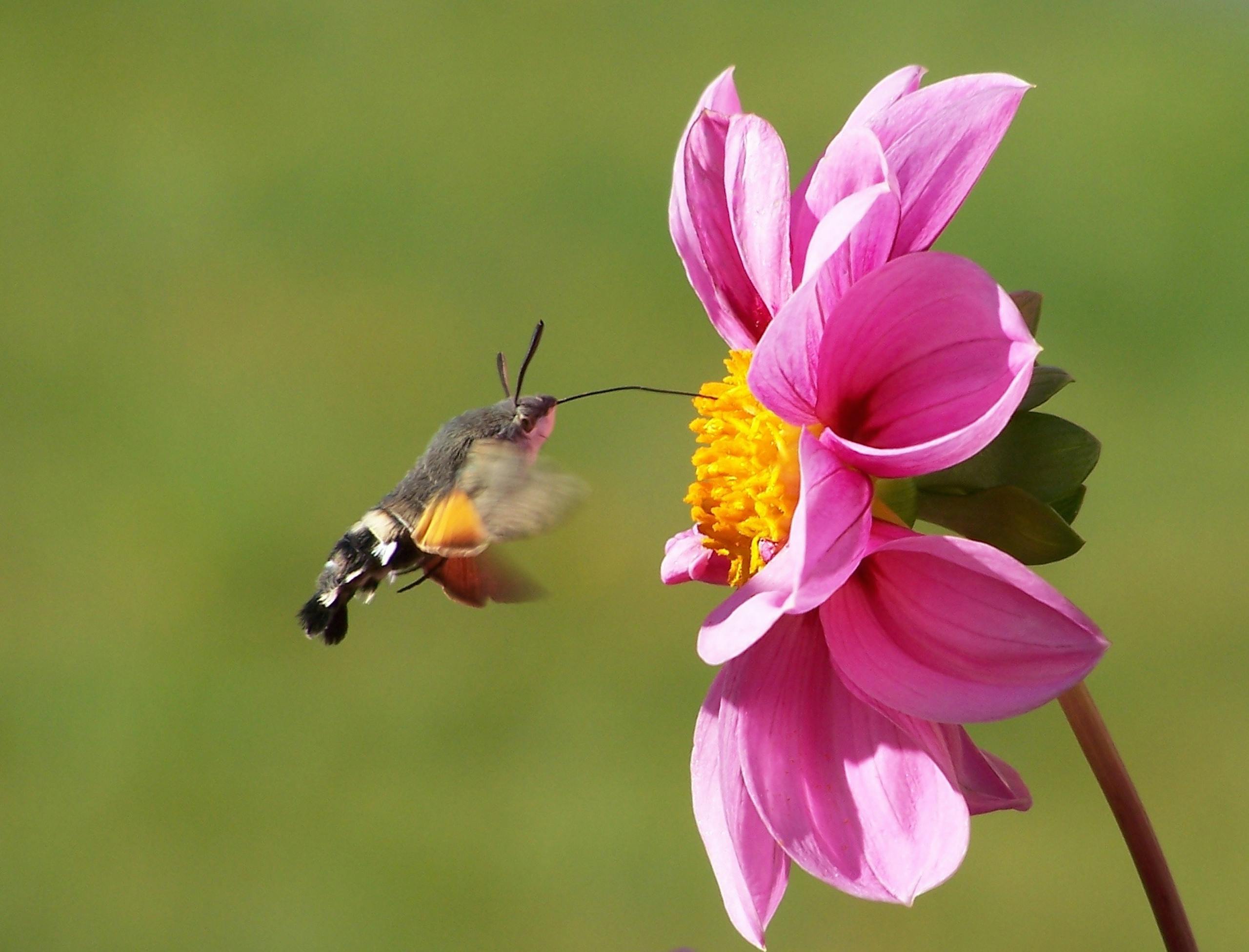
Scientists have uncovered a remarkable and long-overlooked way that plants communicate with insects: infrared heat. According to new research led by Harvard University, some of the planet’s most ancient plants actively heat up their reproductive organs to guide pollinating insects—and the insects are biologically equipped to sense this warmth. This discovery suggests that infrared radiation may be one of the oldest pollination signals ever used by plants, predating colorful flowers and sweet fragrances by hundreds of millions of years.
The study focuses on cycads, an ancient group of seed plants that existed long before flowering plants dominated the Earth. While researchers have known for decades that some plants produce heat, this is the first time that heat itself has been identified as a deliberate communication signal between plants and their pollinators.
Cycads: Living Relics From Deep Time
Cycads are often described as living fossils, and for good reason. They first appeared roughly 275 million years ago, long before dinosaurs ruled the planet. Their peak diversity occurred around 150 million years ago during the Jurassic period, after which they were gradually overshadowed by flowering plants.
Despite their palm-like appearance, cycads are not palms or ferns. They are a distinct lineage of seed plants with thick trunks and crowns of stiff, feather-like leaves. Today, only about 300 cycad species remain, and most are classified as endangered, making them some of the most threatened plant groups on Earth.
Cycads are also dioecious, meaning male and female reproductive structures grow on separate plants. Male plants produce pollen-bearing cones, while female plants produce ovulate cones that eventually develop seeds if fertilized.
Heat as a Pollination Signal, Not a Side Effect
Many plants are known to generate heat, a process called thermogenesis. Until now, scientists largely believed this heat existed to help spread scents into the air. But the Harvard-led research challenges that assumption.
The researchers found that cycads intentionally produce heat as a signal, not just as a byproduct of metabolism. Using thermal imaging, they discovered that heat production is highly localized in the reproductive cones, particularly in structures called sporophylls, which contain large numbers of energy-producing mitochondria.
In the species Zamia furfuracea, commonly known as the cardboard palm, cones were observed reaching temperatures up to 46 degrees Fahrenheit above the surrounding air. Some other cycad species can heat up even more.
This energy-intensive process puzzled researchers for years—until they realized the heat was doing something important.
A Perfectly Timed Heat Sequence
The study examined 17 cycad species and found a striking pattern. At the end of the day, cycads follow a circadian rhythm in their heating behavior:
- Male cones heat up first, releasing pollen and attracting insects
- After cooling down, female cones heat up roughly three hours later
This precise timing creates a natural push-pull pollination system. Pollinating insects are first drawn to the male cones, then driven away as conditions become overwhelming, and finally guided toward the warm female cones—carrying pollen with them.
This system ensures efficient pollination while minimizing wasted effort.
Beetle Pollinators With Infrared Vision
The main pollinators involved in this process are beetles, particularly small weevils that have exclusive relationships with specific cycad species. In the case of Zamia furfuracea, the pollinator is a beetle called Rhopalotria furfuracea.
To track beetle behavior, researchers marked insects with ultraviolet fluorescent dyes and observed their nighttime movements in open fields. The results were clear: beetles consistently moved toward the warmest parts of the cones, following the exact heating sequence of male first, then female.
This behavior raised an obvious question—how do beetles detect heat so precisely?
Specialized Infrared Sensors in Beetle Antennae
Insects rely heavily on their antennae for sensing the world around them. The researchers discovered that the tips of beetle antennae contain specialized thermosensitive organs, packed with neurons designed specifically to detect heat.
Using electron microscopy, electrophysiology, and gene expression analysis, the team identified a key molecular component in these sensors: TRPA1, a protein known to respond to temperature changes. This same protein is used by snakes to detect warm-blooded prey and by mosquitoes to locate hosts.
Even more fascinating, each beetle species appears to have heat sensors finely tuned to the exact temperature range produced by its host cycad, suggesting a long history of co-evolution.
Infrared Radiation: A Hidden Communication Channel
This discovery adds a completely new dimension to how scientists understand plant–pollinator communication. Until now, most known signals fell into two categories: chemical signals like scent and visual signals like color and shape.
Infrared radiation operates differently. At close range, scent becomes less reliable, while heat provides a direct, directional signal that insects can follow even in low light. This is especially important for nocturnal beetles with poor color vision.
The study suggests that heat-based signaling likely evolved very early, when insect vision was limited and flowering plants had not yet developed bright petals.
Why Flowering Plants Moved On From Heat
While heat-based pollination was effective, it eventually lost prominence. Flowering plants, which rose to dominance over the last 70 million years, developed vibrant colors and complex scents. Their pollinators—such as bees and butterflies—evolved advanced color vision, including trichromatic and tetrachromatic systems.
Beetles, by contrast, typically have dichromatic vision and rely more on smell and temperature cues. As flowering plants diversified, cycads were largely pushed aside, surviving mainly in specialized ecological niches.
Still, cycads account for about half of all known heat-producing plants, reinforcing the idea that thermogenesis is a deeply ancient trait.
A Reminder of Human Sensory Bias
One reason infrared pollination signals went unnoticed for so long may be simple: humans cannot perceive infrared radiation. Scientists have historically focused on signals that align with human senses, such as color and smell.
This research highlights how much remains hidden in the natural world—and how many ecological interactions may rely on signals we cannot directly experience.
Why This Discovery Matters Today
Understanding ancient pollination systems has modern implications. As climate change threatens insect populations and disrupts plant–pollinator relationships, insights into alternative communication strategies could inform conservation efforts, especially for endangered plants like cycads.
It also expands scientific understanding of sensory biology, co-evolution, and ecosystem resilience, reminding us that nature has been experimenting with complex solutions for hundreds of millions of years.
Research Paper:
https://www.science.org/doi/10.1126/science.adz1728