Fungi Grown on Carrot Waste Are Emerging as a Nutritious and Tasty Protein Source for Vegan and Vegetarian Diets
As the global population continues to rise, the pressure on food systems to deliver nutritious, affordable, and sustainable protein is increasing rapidly. At the same time, modern food production generates enormous amounts of byproducts that often go unused or are discarded. A new scientific study shows that these two challenges can be addressed together by turning plant-based food waste into a valuable protein source—using fungi.
Researchers reporting in the Journal of Agricultural and Food Chemistry have demonstrated that fungi grown on carrot processing leftovers can produce a high-quality protein that performs exceptionally well in vegan foods. In taste tests, products made with this fungal protein were even preferred over similar foods made with conventional plant-based proteins like soy.
Turning Carrot Side Streams into a Valuable Food Resource
Carrot processing—especially when carrots are used to produce natural food colorants—creates large quantities of leftover material known as side streams. These side streams still contain valuable nutrients but are typically underutilized.
The research team explored whether these carrot remnants could be repurposed as a growth medium for edible fungi. Previous studies had already shown that fungi can grow on food byproducts such as apple pomace and whey from cheese production. This study focused specifically on carrot side streams from both orange and black carrots, which are commonly used in the food coloring industry.
Instead of growing full mushrooms, the researchers concentrated on fungal mycelium—the root-like network that forms the main body of the fungus. Mycelium grows faster than mushroom fruiting bodies, requires less space, and can be harvested more efficiently, making it attractive for large-scale food production.
Screening 106 Fungal Strains for Protein Potential
To identify the best fungal candidate, the researchers screened 106 different fungal strains, testing how well each strain grew on carrot side streams and how much protein it produced.
After extensive testing, one species stood out: Pleurotus djamor, commonly known as the pink oyster mushroom. This fungus showed strong growth, high protein yields, and promising nutritional characteristics. Once selected, the researchers further optimized the growth conditions to maximize efficiency and protein output.
The result was a fungal mycelium protein with a biological value comparable to both animal-based and plant-based proteins. Biological value measures how effectively the human body can absorb and use dietary protein. In addition, the mycelium was low in fat and had fiber levels similar to other edible fungi, making it nutritionally well-balanced.
Putting Fungal Protein to the Taste Test
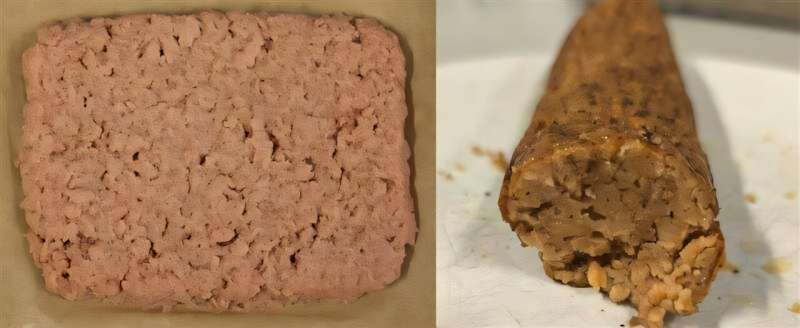
Nutritional value alone does not guarantee success in the food market—taste and texture matter just as much. To evaluate real-world potential, the researchers incorporated the fungal mycelium into vegan patties and sausage-style products.
For the patties, the researchers replaced traditional soy protein with fungal mycelium at different levels: 0%, 25%, 50%, 75%, and 100%. Volunteers evaluated each version based on texture, taste, and smell.
The results were striking. Testers consistently preferred the patties made with 100% mycelium protein over those made entirely from soy protein. Texture and overall flavor were rated higher, suggesting that fungal mycelium could help address common complaints about plant-based meat alternatives.
The study also included vegan sausages. One version used soaked chickpeas as the protein base, while the other used fresh fungal mycelium. Once again, participants generally preferred the smell and taste of the mycelium-based sausages.
Why Mycelium Is a Strong Protein Candidate
Fungal mycelium has several advantages that make it especially appealing as a protein source:
- Efficient growth: Mycelium grows faster than many crops and does not require farmland.
- Lower resource use: It needs less water and space compared to traditional agriculture.
- Nutritional balance: Mycelium provides protein, fiber, and micronutrients.
- Versatility: It can be incorporated into a wide range of food products.
By using carrot side streams as a growth substrate, the process also avoids the need for additional crops, helping reduce pressure on agricultural land.
Supporting a Circular Economy in Food Production
One of the most important aspects of this research is its contribution to a circular economy. Instead of treating food processing leftovers as waste, the study shows how they can be transformed into valuable food ingredients.
This approach reduces environmental impact while simultaneously increasing food availability. It aligns with broader sustainability goals aimed at minimizing waste, lowering greenhouse gas emissions, and improving resource efficiency.
The study also addresses urgent global challenges. According to United Nations data, about one in eleven people worldwide faced hunger in 2023, and more than three billion people could not afford a healthy diet. Developing efficient protein sources that rely on existing food byproducts could play a role in improving food security.
How This Fits into the Bigger Picture of Alternative Proteins
The interest in fungal-based proteins is growing rapidly. Mycoprotein products are already on the market, but most rely on specially grown substrates. This study shows that industrial food waste can be used instead, making production even more sustainable.
Fungal proteins are also gaining attention because they offer meat-like textures without requiring extensive processing. This can reduce reliance on additives and improve consumer acceptance of plant-based foods.
For vegans and vegetarians, fungal mycelium offers a protein source that is not only nutritionally comparable to existing options but also sensory appealing, which is often a limiting factor in alternative protein adoption.
What Comes Next for Fungal Protein Research
While this study focused on carrot side streams, the same principles could be applied to other food production byproducts. Future research may explore scaling up production, improving consistency, and integrating fungal proteins into commercial food manufacturing.
There is also potential for innovation beyond meat alternatives, including protein-enriched snacks, ready meals, and functional foods. As food systems evolve, fungi may become a key component in meeting global protein demand sustainably.
Research Reference
Pleurotus djamor Mycelium: Sustainable Production of a Promising Protein Source from Carrot Side Streams
Journal of Agricultural and Food Chemistry (2025)
https://doi.org/10.1021/acs.jafc.5c11223