New Microwave Vacuum Drying Technology Is Turning Beets into Crunchy, Nutrient-Rich Snacks
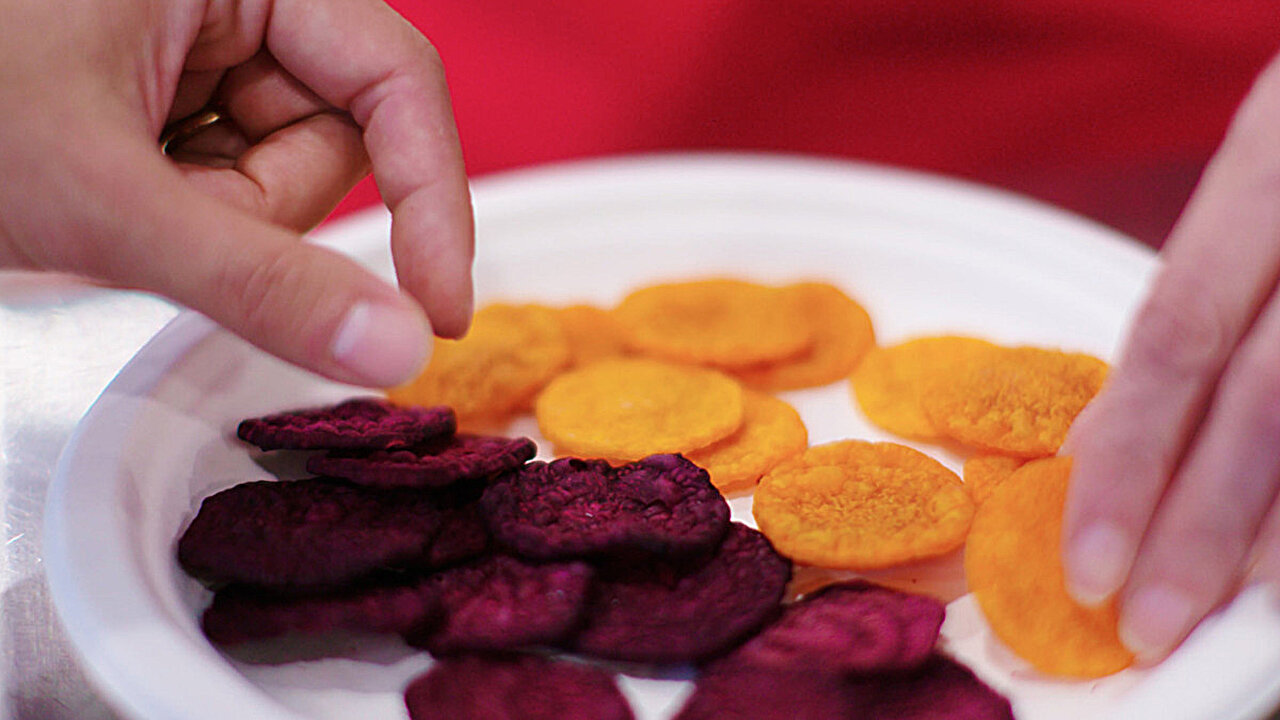
Beets are having a quiet but impressive moment in the world of food science, and a new study from Cornell University shows why. Researchers have developed a microwave vacuum drying technique that can turn simple beet slices into crispy, puffed, shelf-stable snacks—without frying, baking, or adding oil. The goal is straightforward: create a healthier vegetable snack that keeps its nutrients, color, and crunch, while avoiding many of the downsides of traditional processing methods.
At the center of this research is a team from Cornell AgriTech, led by food scientist Chang Chen, who wanted to rethink how vegetable snacks are made. Most commercial vegetable chips today are either baked or deep-fried, both of which rely on high heat for extended periods. Those conditions can significantly reduce heat-sensitive nutrients, alter flavor, and change the natural pigments that give vegetables like beets their deep red color.
The researchers asked a simple question: could they engineer a drying process that delivers the same crisp texture people expect from chips, but with no added oil and far better nutritional retention?
How Microwave Vacuum Drying Works
Microwave vacuum drying, often shortened to MVD, combines two powerful ideas. First, food is placed under reduced pressure, which lowers the boiling point of water. Second, microwave energy is applied to heat the food from the inside out. Together, these conditions allow moisture to escape much faster than in conventional air drying, and at significantly lower temperatures.
Lower temperatures matter because many nutrients, antioxidants, and pigments degrade when exposed to prolonged heat. By shortening drying time and reducing thermal stress, MVD helps preserve flavor, color, and nutritional quality. At the same time, the rapid evaporation of water creates internal pressure that can cause the food to puff, a texture usually associated with deep-fried snacks.
In their experiments, the Cornell team applied MVD to thin slices of beets, carefully controlling variables such as slice thickness, microwave power, vacuum pressure, and drying time. The result was a beet snack that was dry, light, and remarkably crispy, with a puffed structure that rivaled or even exceeded traditional fried chips.
Why Beets Are a Smart Choice
Beets are more than just colorful root vegetables. They are rich in dietary fiber, natural sugars, antioxidants, and micronutrients. In recent years, they have become popular ingredients in sports drinks, nutrition bars, powders, and supplements, often marketed for benefits related to endurance and cardiovascular health.
From an agricultural perspective, beets are also a big deal in New York state, which now leads the nation in beet production. The state accounts for more than one-fifth of total U.S. beet acreage, a success driven by improved crop varieties, growing demand for healthier foods, and decades of collaboration between farmers and Cornell scientists.
Creating new, value-added products like crispy beet snacks could open up additional markets for growers, especially as consumers look for alternatives to conventional potato chips and heavily processed snacks.
The Science Behind Crispiness and Puffing
One of the most interesting findings from the study relates to starch behavior. Crisp, puffed snacks depend heavily on starch. When starch is heated in the presence of moisture, it gelatinizes, forming a structure that can trap steam. As water rapidly evaporates during high-energy drying, pressure builds inside the food, causing it to expand and puff.
Beets contain enough starch to support this process, especially when sliced thinly and processed under the right conditions. The researchers note that this same principle could apply to other starchy vegetables, including potatoes, sweet potatoes, yams, and butternut squash.
The key is balancing each food’s natural properties—starch content, sugar levels, moisture, and structure—to achieve the desired texture without damaging quality.
Energy Use and Processing Efficiency
Beyond nutrition and texture, MVD offers practical advantages for food processors. Traditional drying methods can take many hours and require substantial energy input. In contrast, microwave vacuum drying can shorten processing times while using less energy overall, thanks to faster moisture removal and more efficient heat transfer.
Shorter drying cycles also reduce the risk of uneven drying, scorching, or flavor loss. For producers looking to scale up vegetable snack production, these efficiency gains could translate into lower costs and more consistent products.
Expanding the Technology Beyond Beets
While this study focused on beets, the researchers see much broader potential. Many fruits and vegetables are difficult to dry without losing quality, especially those with high sugar or moisture content. MVD could offer a way to turn surplus produce into high-quality, shelf-stable snacks, helping reduce food waste and support regional agriculture.
The Cornell team is already exploring applications beyond beets. Sweet potatoes and yams, which combine high starch content with natural sweetness, are particularly promising. Apples are also being studied, though their lower starch levels mean the process must be carefully adjusted to avoid texture problems.
The takeaway is that microwave vacuum drying is not a one-size-fits-all solution, but a flexible platform that can be tailored to different crops.
What This Means for Consumers
For consumers, this technology points toward a future where vegetable snacks are not just “better than chips,” but genuinely nutrient-dense foods in their own right. Oil-free, minimally processed snacks that still deliver crunch could appeal to people looking to reduce fat intake without giving up texture and flavor.
It also reflects a broader trend in food science: moving away from heavy processing and additives, and toward process engineering that works with the natural structure of foods rather than against it.
A Step Forward for Food Innovation
This research highlights how small changes in processing technology can have wide-ranging effects—from farm economics to consumer health. By rethinking how vegetables are dried, the Cornell team has shown that it’s possible to create snacks that are crispy, colorful, nutritious, and shelf-stable, all at the same time.
As interest in functional foods and plant-based snacks continues to grow, innovations like microwave vacuum drying may play an increasingly important role in shaping what ends up on store shelves.
Research paper:
https://doi.org/10.1016/j.ifset.2025.104402