How Ancient Climate Shifts Transformed Mongoose-Like Mammals Into Today’s Cats, Dogs, and Bears
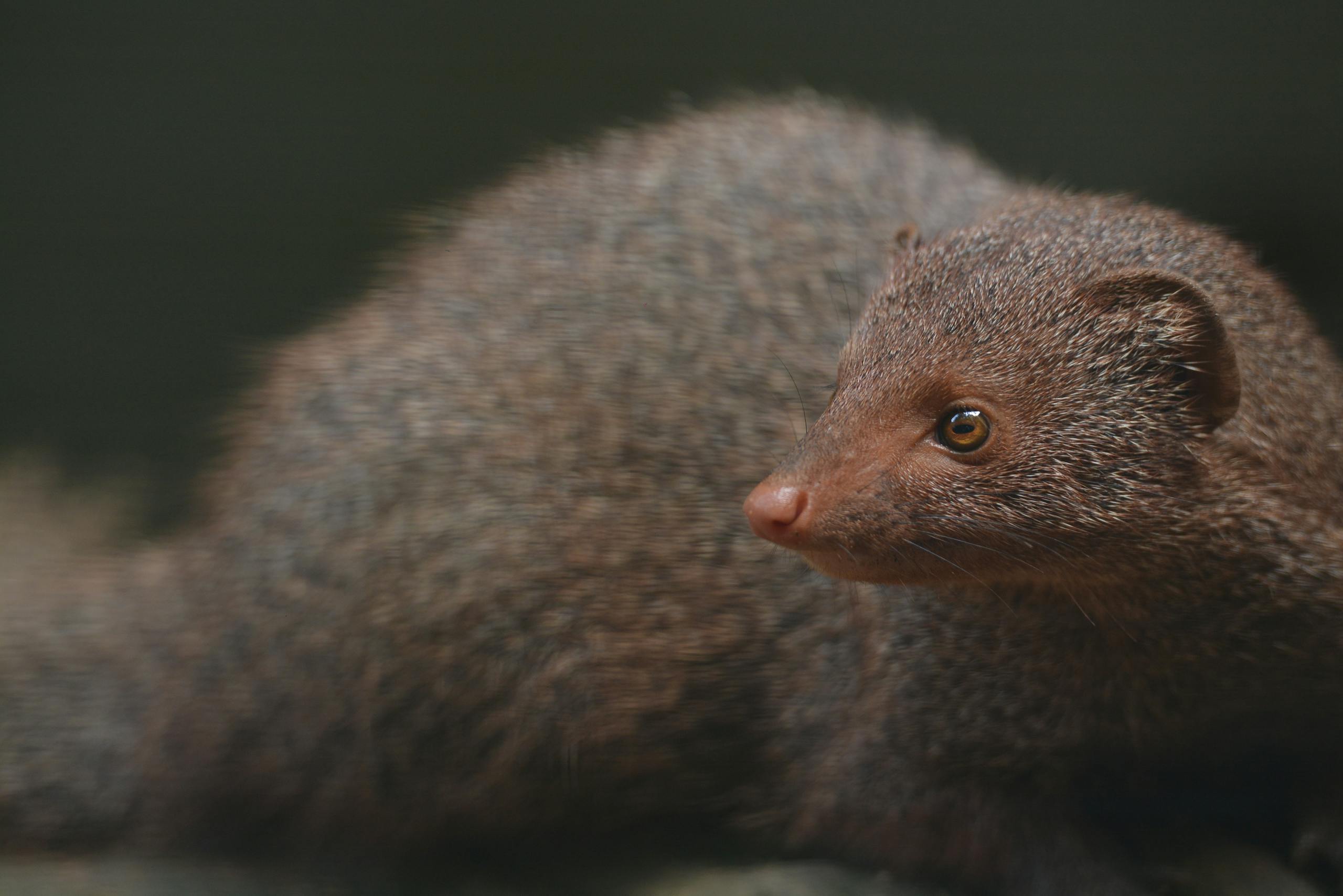
The ancestors of today’s cats, dogs, bears, seals, and many other carnivorous mammals did not always look fierce or imposing. In fact, millions of years ago, they closely resembled modern mongooses—small, long-bodied animals with short legs and rounded ears. New scientific research reveals how dramatic climate changes over Earth’s deep past pushed these modest-looking mammals to evolve into one of the most diverse and successful groups of predators on the planet.
This research, led by Chris Law, a principal research scientist in biology at the University of Washington, explores how two major climate transitions reshaped the evolution of the mammalian order Carnivora. This order includes familiar animals like lions, wolves, bears, and seals, as well as some surprising members such as pandas. The findings were published on December 17, 2025, in the journal Proceedings of the Royal Society B.
A Massive Study of Carnivoran Skeletons
To uncover how carnivorans evolved their wide range of body shapes, Law and his colleagues conducted an extensive analysis of more than 850 skeletal specimens. These specimens came from 17 natural history museums and represented nearly 200 species of carnivorans. Among them were 118 living species and 81 extinct species, allowing the researchers to trace evolutionary patterns across tens of millions of years.
By comparing skeletal shapes—especially features related to movement, size, and ecological function—the team was able to identify when major bursts of diversification occurred and how those bursts aligned with known global climate events.
The Mongoose-Like Starting Point
One of the most striking conclusions of the study is that all modern carnivorans began with a similar, generalized body plan. Early members of this group looked very much like today’s mongooses or civets. This body form is considered evolutionarily flexible, meaning it is not specialized for a single way of living.
These early carnivorans were capable of climbing, running, digging, and eating a wide variety of foods. This generalist design turned out to be a major advantage, especially during times of environmental upheaval.
Climate Change as an Evolutionary Trigger
The study highlights two key climate transitions that shaped carnivoran evolution in different ways.
The Eocene–Oligocene Transition (Around 34 Million Years Ago)
The first major shift occurred during the Eocene–Oligocene Transition, a period lasting roughly 500,000 years. During this time, Earth experienced a sharp drop in global temperatures. The planet moved from a warm “greenhouse” climate to a cooler “icehouse” state, marked by the formation of the first Antarctic ice sheets.
These changes transformed landscapes worldwide. Dense, humid forests gave way to drier temperate forests and emerging grasslands, creating entirely new habitats.
This climate shift also led to the extinction of many earlier carnivorous mammals that had previously dominated predator niches. With these competitors gone, the ancestors of modern carnivorans suddenly had access to new ecological opportunities.
As a result, this transition triggered diversification between carnivoran families. It was during this period that the foundations of today’s major groups—such as felids (cats), canids (dogs), and ursids (bears)—were established.
The Mid-Miocene Climate Transition (15–13 Million Years Ago)
The second major event, the Mid-Miocene Climate Transition, occurred much later and lasted about 2 million years. This period was also marked by global cooling, increased aridity, and stronger seasonal differences.
Once again, habitats shifted, with grasslands expanding even further at the expense of forests. However, this time the impact on carnivorans was different. Instead of creating new families, this climate transition drove diversification within existing families.
For example, dog-like carnivorans began evolving into a variety of forms adapted for different environments, prey types, and hunting strategies. The absence of major competing carnivorous groups allowed carnivorans to further specialize and refine their body shapes.
Why the Two Transitions Had Different Effects
According to the researchers, the timing of these climate events explains their different evolutionary outcomes. The earlier transition acted as a release point, freeing early carnivorans from competition and allowing broad experimentation with new ecological roles. This phase produced the major branches of the carnivoran family tree.
By the time of the Mid-Miocene transition, most of those branches already existed. The new environmental pressures instead encouraged fine-scale adaptations, leading to increased diversity within each family rather than the creation of entirely new ones.
As ecosystems became crowded, additional skeletal innovations were needed to help similar species coexist. This led to increasingly specialized body forms and behaviors.
The Remarkable Diversity of Carnivorans
Today, carnivorans display an astonishing range of shapes and lifestyles. They include:
- Fast-running predators like cheetahs and wolves
- Powerful, heavy-bodied animals like bears
- Small, elongated hunters such as weasels
- Aquatic and semi-aquatic species like seals, sea lions, and walruses
There are also surprising members of the group. Pandas, red pandas, and kinkajous are all carnivorans, even though they primarily eat plants or fruit. Their evolutionary history places them firmly within this predator-dominated lineage.
The fossil record also reveals extinct carnivorans such as saber-toothed cats, hyena-like dogs, and bear-dogs, some of which grew as large as modern bears.
Why Mongooses Stayed the Same
An interesting takeaway from the study is that mongooses themselves did not change much over evolutionary time. Rather than being evolutionary outliers, they appear to have retained the original carnivoran body plan.
In contrast, groups like cats, dogs, and bears are considered the “odd ones” because they evolved away from this generalized design toward more specialized forms. This highlights how being a generalist can be a stable and successful strategy over long periods.
Lessons for Today’s Climate Crisis
The researchers emphasize that this study has clear implications for the present. Throughout Earth’s history, climate transitions have repeatedly reshaped life, driving some groups to extinction while allowing others to thrive.
In today’s world, human-driven climate change may produce similar outcomes. Some species may decline or disappear, while others could adapt, expand, or diversify in unexpected ways. Understanding how past climate shifts influenced evolution helps scientists better anticipate how modern ecosystems might respond to ongoing environmental change.
Research Reference
Long-fuse evolution of carnivoran skeletal phenomes through the Cenozoic, Proceedings of the Royal Society B: Biological Sciences
https://royalsocietypublishing.org/doi/10.1098/rspb.2025.2400