Mosquito Blood Meals Can Reveal Entire Ecosystems, According to a New University of Florida Study
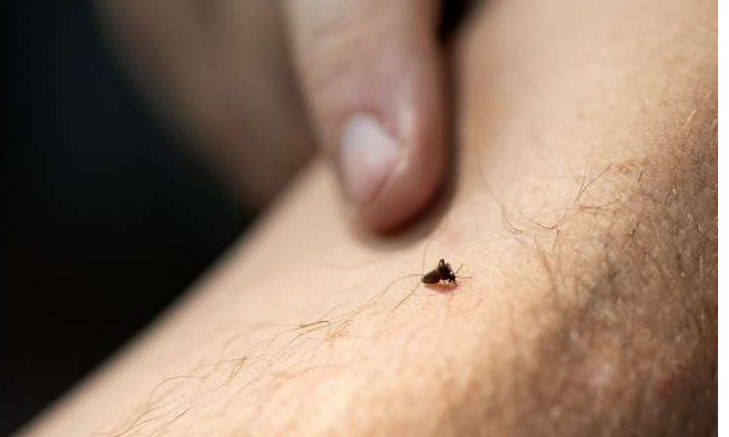
The idea sounds like something straight out of a Hollywood blockbuster. In the Jurassic Park films, scientists famously extract dinosaur DNA from mosquitoes trapped in amber, using the insects as accidental time capsules of ancient life. While that part remains science fiction, new research shows that mosquitoes really can act as powerful biological recorders of the ecosystems around them — just not across millions of years.
A recent study led by researchers at the University of Florida demonstrates that mosquitoes, through their blood meals, can capture a remarkably complete snapshot of the animals living in a given area. By analyzing the DNA found inside mosquito blood, scientists were able to detect 86 different vertebrate species within a single conservation site in central Florida. The findings suggest that mosquitoes could become an unexpected but valuable tool for monitoring biodiversity.
How Mosquitoes Became Accidental Wildlife Surveyors
Mosquitoes survive by feeding on the blood of animals, and in the process, they ingest small fragments of their host’s DNA. These fragments remain in the mosquito’s gut long enough to be extracted and analyzed using modern genetic sequencing techniques. This approach falls under a growing field known as invertebrate-derived DNA, often shortened to iDNA.
The idea behind the study was surprisingly simple. If mosquitoes feed on many different animals, could scientists use them as a kind of natural sampling device to figure out which species live in a particular ecosystem? Compared to traditional wildlife surveys — which often involve camera traps, manual counts, or physical trapping — mosquito-based sampling promised a faster and less labor-intensive alternative.
This question had been lingering since the early graduate school days of the study’s senior author, an entomologist at the University of Florida. Years later, the team finally put the idea to a large-scale test.
Inside the DeLuca Preserve Study
The research took place at the DeLuca Preserve, a protected conservation area managed by the University of Florida and located about 80 miles south of Orlando. The preserve includes wetlands, forests, and open habitats that support a wide range of wildlife, making it an ideal testing ground.
Over a period of eight months, researchers collected tens of thousands of mosquitoes from the preserve using specialized traps and vacuum devices. From these collections, they identified and analyzed more than 2,000 mosquito blood meals, extracting DNA from each one to determine which animal the mosquito had fed on.
The results were striking. The blood meals revealed DNA from mammals, birds, reptiles, and amphibians, covering nearly the entire known vertebrate diversity of the preserve.
A Surprisingly Broad Menu of Hosts
The mosquito diet turned out to be far more diverse than many people might expect. The DNA evidence showed that mosquitoes had fed on animals ranging from tiny frogs to large mammals like deer and cattle.
Bird species such as bald eagles appeared in the data, alongside mammals like coyotes. Reptiles were well represented too, including rattlesnakes, alligators, and even gopher tortoises, proving that a protective shell is no barrier to a determined mosquito.
Amphibious animals such as otters and toads were also detected, highlighting the mosquitoes’ ability to sample animals across land and water. The study captured species with a wide range of lifestyles, including arboreal, migratory, resident, native, invasive, and even endangered animals.
Among the large mammals known to inhabit the preserve, only one notable species was missing: the endangered Florida panther. Researchers believe this absence is likely due to the panther’s extreme rarity in the area, making it statistically difficult for mosquitoes that fed on them to be collected.
How Mosquito Surveys Compare to Traditional Methods
In addition to the main study, a companion paper published alongside it evaluated how mosquito-based surveys stack up against conventional wildlife monitoring techniques. This comparison revealed that mosquitoes performed particularly well during the wet season, when mosquito populations — and blood-feeding activity — are at their peak.
During these periods, mosquito DNA analysis detected vertebrate diversity at levels comparable to traditional survey methods. However, during drier times of the year, when mosquitoes are less abundant, the effectiveness of this approach declined. This suggests that mosquito-based monitoring works best as a complement, rather than a complete replacement, for existing survey tools.
Why This Matters for Conservation and Ecology
Monitoring wildlife populations is essential for conservation, but it is often expensive, time-consuming, and limited by terrain and accessibility. Mosquito-based DNA sampling offers a way to gather large amounts of ecological data with relatively low effort.
This method could be especially useful for detecting rare, elusive, or cryptic species that are hard to observe directly. It may also help identify invasive species early, before they become established, or monitor endangered populations with minimal disturbance.
Beyond conservation, understanding mosquito feeding behavior also has implications for disease ecology, since knowing which animals mosquitoes feed on helps scientists track how pathogens move through ecosystems.
A Closer Look at Invertebrate-Derived DNA
The concept of using blood-feeding insects to study wildlife is gaining momentum. Invertebrate-derived DNA has already been explored using leeches, ticks, and other parasites. Mosquitoes are particularly appealing because of their abundance, wide host range, and global distribution.
However, there are limitations. Mosquito DNA samples cannot accurately estimate population sizes or pinpoint an animal’s exact location. The DNA also degrades quickly as mosquitoes digest their blood meals, meaning careful handling and rapid processing are essential.
Another factor is mosquito feeding preference. Some mosquito species prefer birds, while others favor mammals, which can bias the results if not accounted for during analysis.
Are We Any Closer to Jurassic Park?
Despite the obvious pop-culture comparisons, the researchers are quick to point out that extracting DNA from mosquitoes does not mean resurrecting extinct species. The DNA fragments mosquitoes carry are short, degraded, and incomplete — nowhere near enough to recreate an organism.
Still, the study highlights just how much biological information these insects carry with them, even if their reputation among humans remains overwhelmingly negative.
The Bigger Picture
Mosquitoes are often viewed solely as pests or disease vectors, but this research adds a new dimension to how they are perceived. Within their ecosystems, they play complex roles — and now, it appears, they can also serve as unexpected allies in the effort to understand and protect biodiversity.
By turning an annoyance into a scientific asset, this study opens the door to new ways of monitoring ecosystems, especially in areas where traditional methods are difficult or costly to implement.
Research References:
Monitoring biodiversity and detection of diverse vertebrate species with mosquito blood meal analysis at the DeLuca Preserve, Florida, USA – Scientific Reports (2025)
https://doi.org/10.1038/s41598-025-28062-x
A comparison of conventional methods and mosquito blood meal analysis to assess vertebrate diversity – Scientific Reports (2025)
https://doi.org/10.1038/s41598-025-26514-y