How Flour Choice Shapes the Microbial Life Inside Sourdough Starters
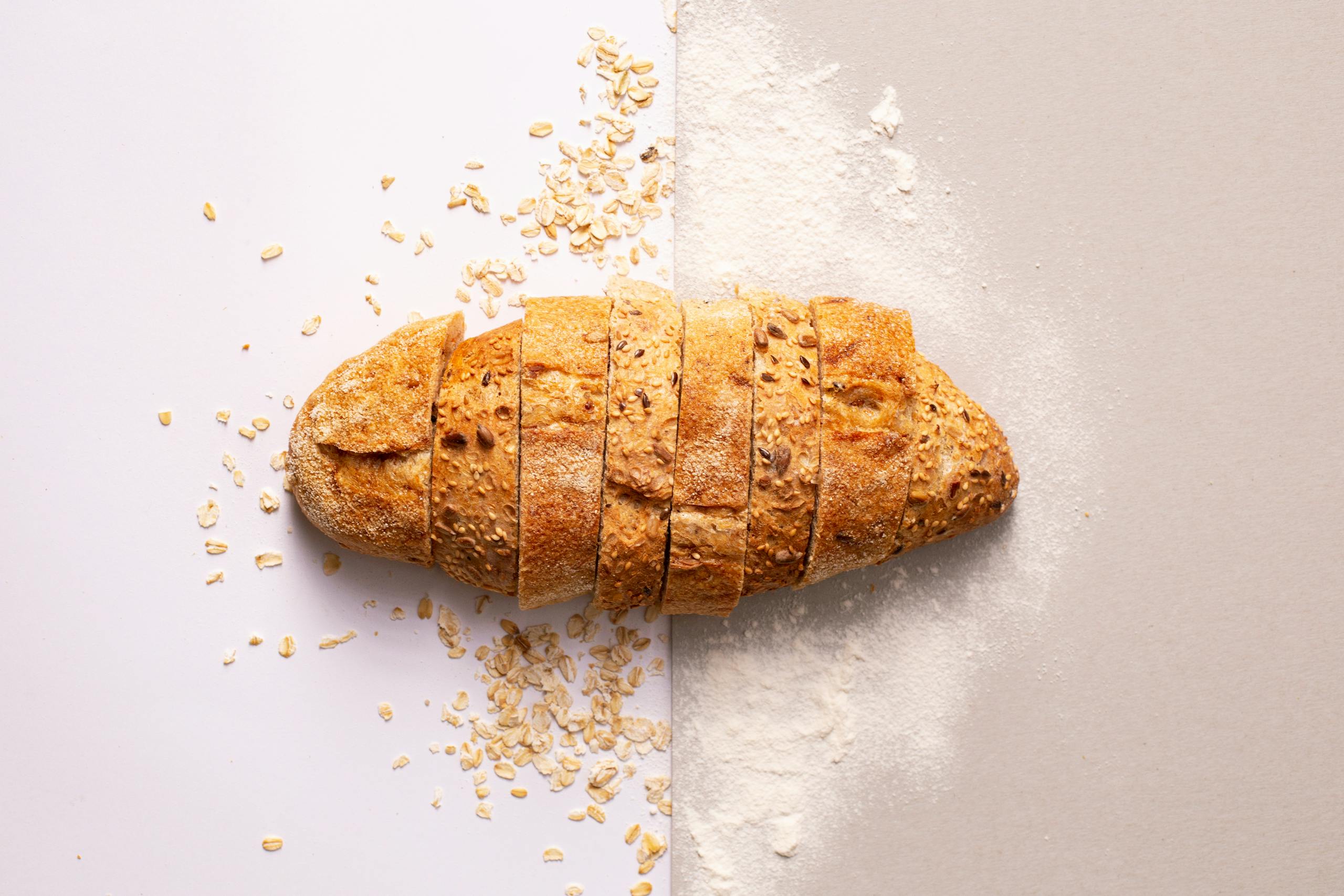
Sourdough starters may look simple—a sticky mixture of flour and water bubbling away on a kitchen counter—but they are actually complex, living ecosystems. Inside every active starter is a constantly evolving community of yeasts and bacteria that work together to ferment dough, produce carbon dioxide, and create the flavor, aroma, and texture that make sourdough bread so distinctive. A recent scientific study takes a close look at one key question many bakers have wondered about: does the type of flour you use really change what microbes grow in your sourdough starter?
Researchers from North Carolina State University, led by evolutionary biologist Caiti Heil, explored exactly that. Their findings, published in the journal Microbiology Spectrum, show that flour choice does play a meaningful role—especially when it comes to bacteria—even though the dominant yeast tends to remain surprisingly consistent.
Understanding Sourdough as a Living Microbial System
From a scientific perspective, sourdough starters are more than baking tools. They are ideal models for studying microbial evolution and competition over time. Each feeding cycle introduces fresh nutrients, removes some microbes, and creates new selective pressures. Over weeks and months, this repeated process shapes which organisms survive and dominate.
Previous research has already revealed that sourdoughs around the world contain a staggering diversity of life—more than 60 bacterial genera and over 80 yeast species have been identified across different starters. These microbes come from many sources, including flour, the surrounding environment, kitchen surfaces, and even the baker’s hands.
What makes this new study interesting is its controlled focus on flour type as a variable, allowing researchers to isolate how different flours influence microbial communities over time.
How the Study Was Designed
The researchers created sourdough starters using three commonly used flours:
- All-purpose flour
- Bread flour
- Whole wheat flour
At the beginning of the experiment, all three flours showed similar microbial compositions, containing comparable types of bacteria and a mix of yeasts. This starting similarity was important, as it meant any later differences were likely caused by the fermentation process itself rather than the flour’s initial microbes.
The starters were then maintained over several weeks using regular feeding schedules, a process known as passaging. Over time, the team analyzed the microbial makeup of each starter using metabarcoding, a genetic technique that scans DNA to identify which organisms are present and in what proportions.
What Emerged Over Time
After weeks of fermentation, the starters no longer resembled their original microbial states. Instead, clear patterns emerged—some expected, others surprising.
One of the most striking findings was that the same yeast genus dominated all starters, regardless of flour type or feeding schedule. That yeast belonged to the genus Kazachstania, which is commonly found in fermented foods but is less famous than baker’s yeast.
The researchers initially expected to find Saccharomyces cerevisiae, the classic yeast used in commercial baking and brewing. Instead, Kazachstania proved to be far more successful in the sourdough environment, suggesting it may be better adapted to the acidic, competitive conditions of long-term fermentation.
How Flour Type Influenced Bacteria
While yeast communities converged toward the same dominant group, bacterial communities told a different story. The type of flour used clearly shaped which bacterial genera became more abundant.
- Starters made with whole wheat flour showed a higher abundance of Companilactobacillus.
- Starters made with bread flour were richer in Levilactobacillus.
- All starters contained a shared core of bacterial genera, but their relative proportions differed depending on the flour.
These differences matter because bacteria play a major role in producing organic acids, which influence sourdough’s tanginess, aroma, and keeping qualities. Even subtle shifts in bacterial balance can lead to noticeable changes in bread flavor and texture.
Why Feeding Schedule Mattered Less Than Expected
The researchers also tested different feeding schedules to see whether timing influenced microbial communities. While feeding frequency can affect growth rates, it turned out to be less influential than flour type, particularly for yeast populations.
This suggests that nutritional differences in flour—such as fiber content, mineral availability, and complex carbohydrates—create stronger selective pressures than feeding timing alone.
Where the Study Began
Interestingly, this research did not begin as a traditional lab project. It grew out of an educational outreach program started by Enrique Schwarzkopf, a postdoctoral researcher in Heil’s lab and an avid sourdough baker. Working with a local middle school, Schwarzkopf used sourdough fermentation to teach students about evolution, competition, and experimental design.
Students experimented with different flours and feeding schedules to see which starters grew fastest. What began as a classroom activity eventually evolved into a rigorous scientific investigation.
Why These Findings Matter for Bakers
For home bakers and professionals alike, the study reinforces an important idea: changing your flour can change your sourdough, even if everything else stays the same.
Because microbial composition affects fermentation speed, acidity, and flavor development, flour choice becomes a practical tool for shaping bread characteristics. Switching from bread flour to whole wheat flour, for example, does more than change nutrition—it actively reshapes the microbial ecosystem inside the starter.
At a broader level, the findings highlight just how sensitive the sourdough microbiome is to environmental inputs. Flour is not just food for microbes; it is a key driver of which organisms thrive and which fade away.
Additional Insight: Why Kazachstania Thrives in Sourdough
Kazachstania species are increasingly recognized as important players in traditional fermentations. They tolerate acidic conditions well and can coexist with lactic acid bacteria without being outcompeted. Unlike commercial yeast, which is bred for fast, uniform performance, Kazachstania appears well suited to slow, long-term fermentation, making it a natural winner in sourdough ecosystems.
Additional Insight: Whole Wheat vs Refined Flour
Whole wheat flour contains more bran, fiber, and micronutrients than refined flours. These components provide additional niches and food sources for bacteria, helping explain why whole wheat starters showed higher levels of certain bacterial groups. Refined flours, by contrast, offer a more limited nutritional profile, which may favor different microbes.
Final Thoughts
This study adds valuable detail to our understanding of sourdough fermentation, showing that flour choice is a powerful factor in shaping bacterial communities, while yeast populations tend to stabilize around a dominant genus. For scientists, sourdough continues to serve as a fascinating model for microbial evolution. For bakers, it offers a simple but effective way to experiment with flavor and fermentation—one bag of flour at a time.
Research paper reference:
https://journals.asm.org/doi/10.1128/spectrum.02380-25