Why a Positive School Climate Can Still Harm Some Victims of Bullying and Violence
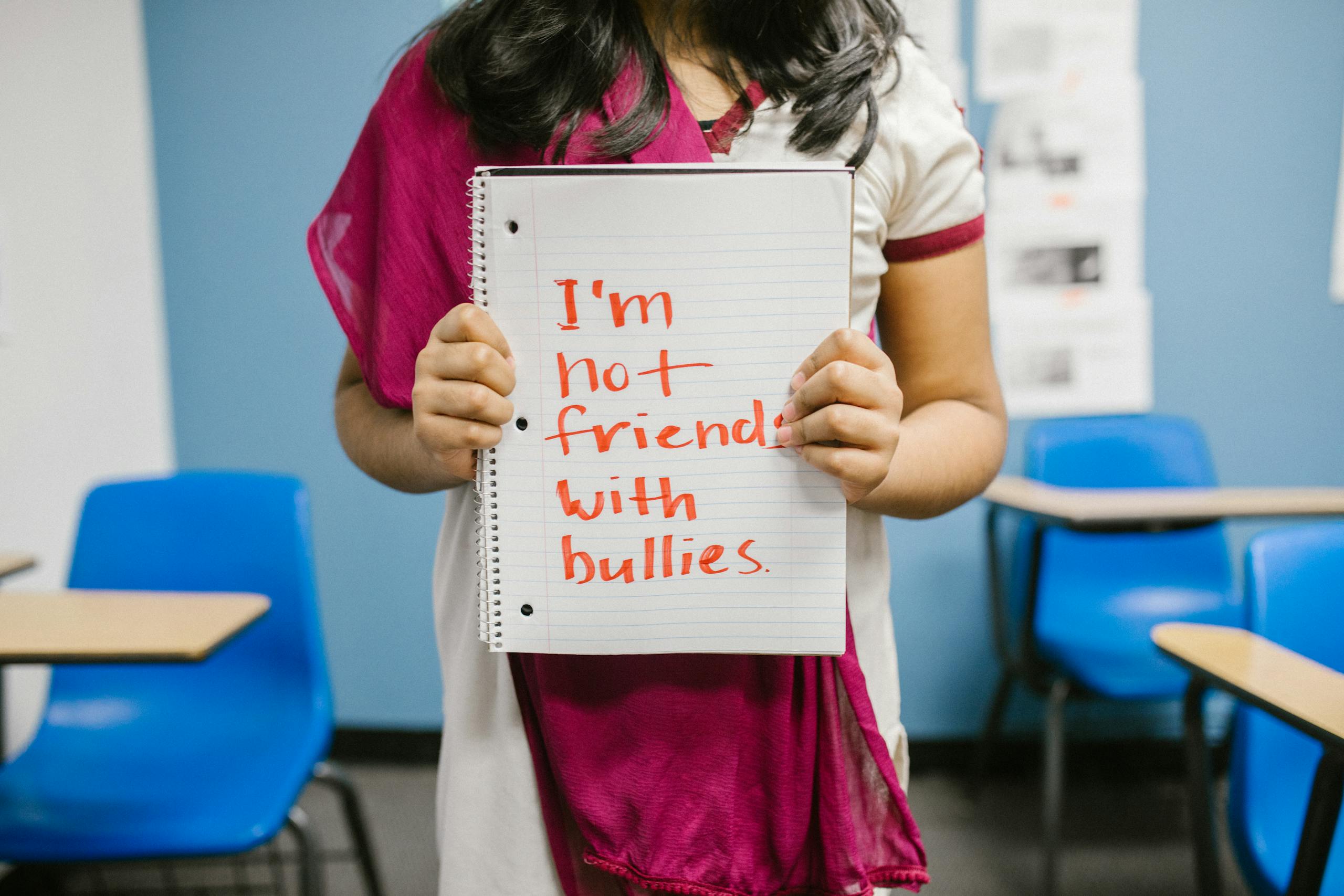
Schools across the United States have spent years trying to improve student well-being by building what educators often call a positive school climate. This usually means creating campuses where students feel physically safe, emotionally supported, socially connected, and respected by both peers and adults. Given rising concerns about adolescent mental health, these efforts are generally seen as an essential part of modern education.
However, new large-scale research suggests that a positive school climate does not benefit every student in the same way. In fact, for some students who experience bullying and violence—especially when that victimization is tied to bias and identity—a supportive environment can sometimes make emotional distress worse rather than better.
This surprising conclusion comes from a major study co-authored by UCLA professor Ron Avi Astor and published in the academic journal Educational Researcher.
A Massive Study of California Students
The research is based on an extensive analysis of survey data from more than 1 million students attending roughly 2,500 California secondary schools. The data was drawn from the California Healthy Kids Survey, a statewide, voluntary, and anonymous survey conducted every two years.
For this study, researchers focused on responses collected between 2017 and 2019 from students in grades 7, 9, and 11. The survey includes questions about school safety, emotional well-being, peer relationships, exposure to violence, and experiences with bullying.
Using this dataset, the research team examined how different students respond emotionally to victimization within varying school environments.
Three Distinct Groups of Students
To better understand how school climate affects students, the researchers divided respondents into three key groups:
- Students who were bullied or victimized due to bias, such as prejudice related to race, ethnicity, sexual orientation, gender identity, religion, disability, immigration status, or other personal characteristics
- Students who were victimized but not because of bias
- Students who reported no victimization at all
One of the most important findings was that students who experienced bias-based victimization responded very differently to a positive school climate compared to the other two groups.
Notably, 23.6% of students in the survey reported being targets of bias-based victimization, highlighting how widespread the issue is.
Understanding the “Healthy Context Paradox”
The most unexpected result of the study is something researchers refer to as the healthy context paradox. This concept describes a situation where students who are struggling emotionally may actually feel worse when surrounded by peers who appear to be thriving in a supportive environment.
In schools with strong overall climates and lower levels of violence, students who are still being targeted—especially for identity-related reasons—may engage in harmful self-comparisons. They may notice that conditions seem to be improving for others while their own pain remains unresolved.
This can lead to feelings of sadness, hopelessness, isolation, and even suicidal thoughts. Instead of seeing the positive environment as a source of comfort, these students may internalize blame, wondering why they are still struggling when everything around them appears to be getting better.
The researchers initially found this outcome so unexpected that they repeatedly rechecked their data to confirm the results.
Why Bias-Based Victimization Hurts More
One key distinction highlighted in the study is the difference between general bullying and bias-based bullying. When students are targeted because of aspects of themselves they cannot change, such as race, disability, or sexual identity, the emotional impact can be significantly deeper.
Being singled out for immutable personal traits can intensify feelings of inadequacy and rejection, especially in environments that are otherwise perceived as welcoming and inclusive. This makes bias-based victimization particularly harmful in schools that pride themselves on positivity.
The study’s lead author, Ruth Berkowitz of the University of Haifa, emphasized that the negative mental health effects of victimization are actually exacerbated in schools with lower overall violence and more supportive climates.
A Gap in U.S.-Based Research
While similar patterns had been observed in some Scandinavian countries, this study is one of the first to document the healthy context paradox at such a large scale in the United States.
The findings expand existing knowledge by clearly distinguishing between students who are victimized due to bias and those who are not, showing that these groups experience school climate in fundamentally different ways.
This distinction is crucial for schools aiming to address mental health effectively.
Why School Climate Alone Is Not Enough
The study does not argue against creating positive school environments. On the contrary, researchers strongly support efforts to reduce violence and promote safety. However, the findings show that focusing only on general school climate improvements can leave some students behind.
Schools that rely solely on broad climate initiatives may unintentionally overlook the unique needs of students who are systematically targeted due to prejudice. Without specific interventions, these students may continue to struggle even as overall conditions improve.
The researchers stress the importance of multi-tiered approaches that combine climate improvement with targeted mental health support and anti-discrimination efforts.
From Research to Practical Action
One practical recommendation from the study is the importance of collecting detailed, school-specific data about bias and victimization. Prejudice can take very different forms from one campus to another.
For example, a school might be broadly accepting of religious diversity but show hostility toward immigrant families. Another school might support LGBTQ+ students but fail to adequately include students with disabilities.
Understanding these nuances allows educators to tailor interventions rather than relying on one-size-fits-all solutions.
Partnerships and New Tools for Schools
Astor is also applying this research through a new partnership with Holocaust Museum LA. Together, they have developed questionnaires for teachers and students participating in the museum’s educational programs across the country.
Launched at the beginning of the school year, these tools help schools identify pockets of bias, assess overall climate, and understand the needs of educators trying to build inclusive environments.
The surveys include both demographic questions and open-ended responses, allowing students to report experiences such as insults, exclusion, or whether they believe someone would intervene during an incident of harassment.
Using established research methods, Astor analyzes the results and provides feedback to help the museum evaluate and improve its programs.
Why This Research Matters Now
With mental health challenges among young people continuing to rise, this study offers an important reminder: good intentions are not always enough. While positive school climates are essential, they must be paired with explicit efforts to address bias-based victimization.
Failing to do so risks worsening emotional distress for some of the most vulnerable students—those who are already marginalized and hurting.
The research ultimately calls for a more nuanced understanding of school safety, one that recognizes that different students experience the same environment in very different ways.
Research reference:
https://journals.sagepub.com/doi/10.3102/0013189X251393659