Refugees Living Outside Camps Are Making Real Gains in Self-Reliance, New Global Study Shows
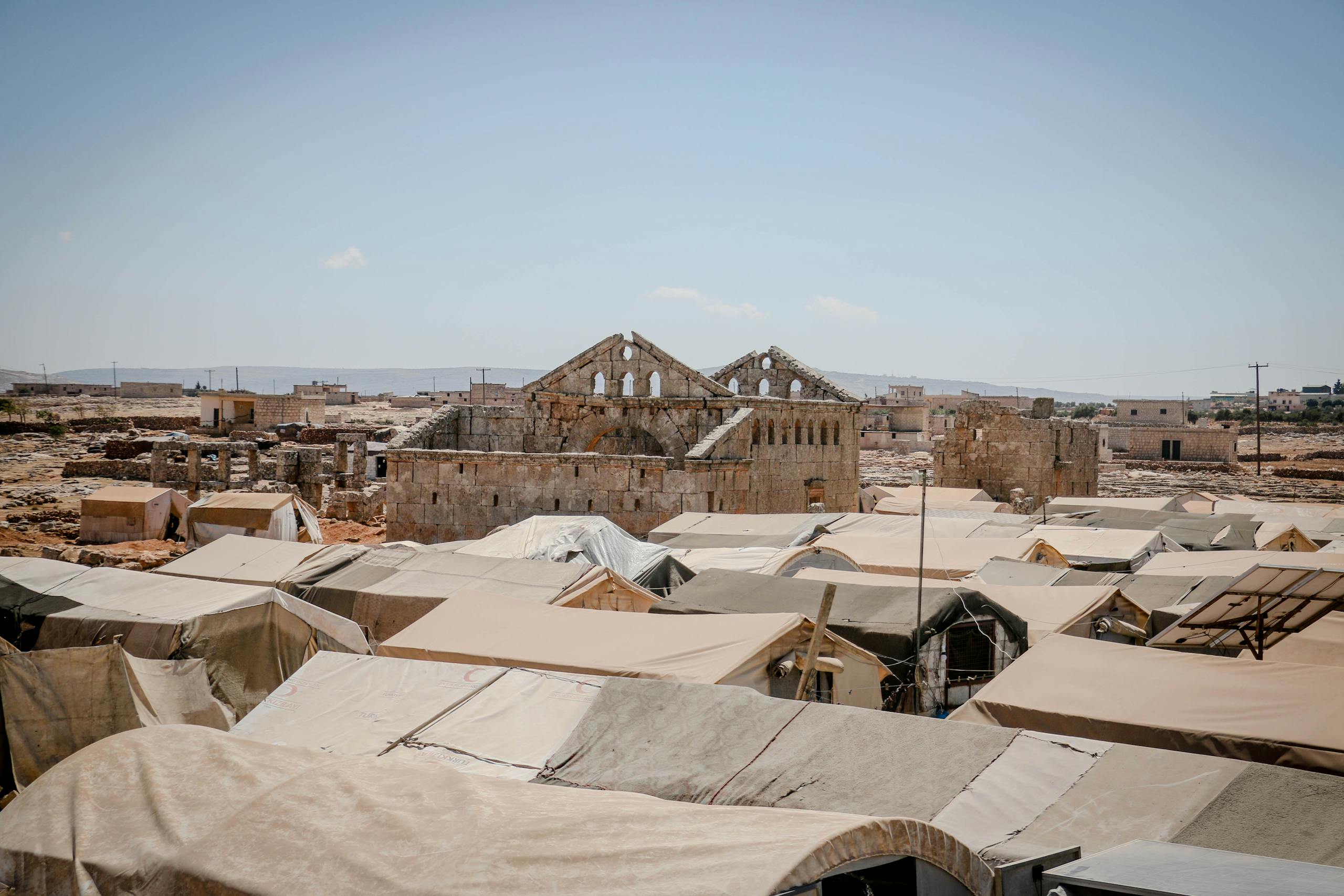
A major new global study is adding strong evidence to an ongoing debate in humanitarian policy: where refugees live matters just as much as the aid they receive. According to fresh research from Washington University in St. Louis, refugees who live outside traditional camps and within local communities are far more likely to rebuild stability, regain independence, and improve their long-term well-being than those confined to camps.
The findings come from one of the largest cross-country analyses of refugee self-reliance ever conducted, and the results are both striking and consistent. While camp-based aid remains essential in emergencies, the study suggests that long-term displacement policies centered on camps may actually hold families back rather than help them move forward.
A Large and Diverse Global Study
The research, published in BMJ Global Health, analyzed data from 7,850 households across 16 countries. These households included refugees, asylum seekers, and people displaced within their own countries. Data was collected between 2020 and 2024 by 10 humanitarian organizations, making the dataset unusually broad in both geography and program design.
Researchers compared outcomes for households living in refugee camps versus those living in non-camp settings, such as cities, towns, and rural communities. All households included in the analysis received some form of humanitarian intervention, allowing the researchers to focus on how living environment and policy conditions shaped outcomes over time.
At the start of the study, self-reliance levels were low across the board. On a scale of 1 to 5, the average baseline Self-Reliance Index (SRI) score was just 2.21, indicating that most households could not meet their essential needs without external assistance. Camp-based households actually scored slightly higher at baseline, likely because camps offer easier access to food distribution, shelter, and basic services.
However, what happened next is where the story changed.
Clear Gains Outside Camps, Stagnation Inside Them
Over time, households living outside camps and receiving services showed consistent, measurable progress across multiple areas. These households experienced higher employment levels, increased savings, reduced debt, and stronger overall self-reliance.
By contrast, households living inside camps showed no comparable improvements, despite continued humanitarian investment. Their scores remained largely flat, suggesting that aid alone could not overcome the structural limitations imposed by camp environments.
Researchers identified several factors that likely contribute to this gap. Camp residents often face restricted freedom of movement, limited legal access to work, and fewer opportunities to interact with local economies. As a result, families remain dependent on aid for long periods, sometimes decades, with little chance to build autonomy.
The conclusion was clear: integration into local communities creates pathways to independence that camps rarely provide.
What Self-Reliance Really Means
A key strength of this study lies in how it defines and measures self-reliance. Rather than focusing only on income or employment, the researchers used the Self-Reliance Index (SRI), a standardized tool that evaluates 12 different domains of household well-being.
These domains include housing, food security, employment, financial resources, debt and savings, health-care access, and other factors that together paint a more complete picture of how families are actually coping. The idea is simple but powerful: earning money alone is not enough if families cannot access health care, secure housing, or basic services.
The SRI is already used by more than 68 humanitarian agencies worldwide, making the findings especially relevant for policy and program design.
The Global Displacement Reality
These findings arrive at a moment when global displacement is at historic levels. An estimated 117 million people worldwide are currently displaced due to conflict, persecution, and climate-related disasters. Many of them spend years, or even their entire lives, in exile.
Refugee camps were originally designed as temporary emergency solutions, providing immediate shelter, food, and safety. Over time, however, many camps have evolved into long-term settlements. Hundreds of camps now function as semi-permanent communities, often isolated from national labor markets and public services.
At the same time, a substantial share of displaced people settle outside camps. They move to towns and cities in search of work, independence, or family connections. Some actively avoid camps because they perceive them as unsafe, overcrowded, or too far from economic opportunities.
Policy Choices Shape Outcomes
Host governments play a central role in determining where refugees are allowed to live and what rights they have. In many countries, refugees are required to stay in designated camps, while in others they are permitted to live among the local population.
The study warns that policies restricting legal work rights, mobility, or access to services may unintentionally undermine the very goal of humanitarian assistance: helping families become self-sufficient. When refugees cannot legally work or move freely, their ability to recover from displacement is severely limited, no matter how much aid is provided.
The researchers emphasize that advancing self-reliance requires strong coordination between humanitarian organizations, development actors, and governments, along with policies that prioritize dignity, autonomy, and long-term stability.
What Works in Community Settings
The study highlights several examples where non-camp approaches have shown promise. In countries such as Ethiopia, Uganda, Burkina Faso, and Colombia, programs that combine multiple forms of support have helped displaced families make real progress.
These approaches often include housing assistance, vocational or skills training, access to legal documentation, support for education and health care, and opportunities for economic and social inclusion. Rather than isolating refugees, these programs help them participate in local systems, benefiting both displaced families and host communities.
Importantly, the research shows that enabling policies are just as critical as program design. Where refugees are allowed to work and integrate, investments pay off. Where they are restricted, progress stalls.
Humanitarian Aid Under Pressure
The findings also come at a time of persistent global humanitarian funding shortfalls. With limited resources, aid organizations are increasingly forced to make hard choices about how and where to invest.
Many existing aid models are still heavily built around camp-based delivery. This study adds weight to arguments that long-term investment in camps may not deliver the best outcomes, especially when displacement becomes protracted.
The researchers note that in acute emergencies, immediate survival remains the priority. However, as crises drag on, it may be more realistic to focus on intermediate outcomes such as psychosocial well-being, skills development, language learning, and social cohesion, while simultaneously building pathways toward future integration.
Rethinking Long-Term Solutions
One of the study’s most important contributions is its clear, data-driven message: progress is possible, but only when systems allow people to rebuild their lives. Heavy investment in isolating systems may feel safe or manageable from an administrative standpoint, but the evidence increasingly shows that integration works better.
Self-reliance, as the researchers emphasize, is not about withdrawing support prematurely. It is about designing policies and programs that allow displaced families to gradually reduce dependency, regain control over their lives, and contribute to the communities around them.
As global displacement continues to rise and resources remain stretched, this research offers a strong case for rethinking how humanitarian systems are structured—and for placing human dignity and opportunity at the center of long-term responses.
Research paper:
https://gh.bmj.com/content/10/12/e021125