Pacific Whale and Dolphin Strandings Reveal Widespread Disease and Human-Caused Trauma Over Nearly Two Decades
A long-term scientific investigation has revealed a troubling pattern behind whale and dolphin strandings across the Pacific Islands: a combination of widespread disease and human-related injuries affecting the majority of examined cases. Conducted by researchers from the University of Hawaiʻi at Mānoa, the study spans 18 years, from 2006 to 2024, and offers one of the most detailed looks yet at why these highly intelligent marine mammals are dying.
The research analyzed 272 documented strandings involving 20 different cetacean species, including whales, dolphins, and beaked whales. Importantly, scientists were able to conduct detailed examinations on more than three-quarters of these stranded animals, giving the findings strong scientific weight. What emerged is a clear picture of marine mammals caught in what researchers describe as a “perfect storm” of infectious disease, environmental stress, and human-caused trauma.
Disease Emerges as the Leading Cause of Death
One of the most striking findings from the study is how common disease was among stranded whales and dolphins. Researchers determined that 62% of investigated strandings were linked to disease. In many of these cases, the illness was not sudden or short-term. About half of the diseased animals showed poor body condition, suggesting long-term, chronic health problems that likely weakened them before death.
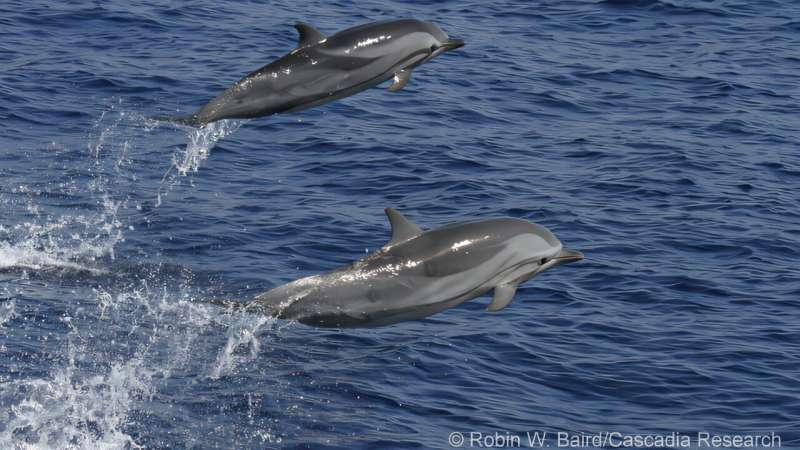
Infectious diseases alone were identified across 11 different cetacean species, highlighting how widespread and cross-species these threats have become. Among the species affected were striped dolphins, spinner dolphins, bottlenose dolphins, and Longman’s beaked whales, some of which are rarely observed and poorly understood.
Dangerous Pathogens Found in Pacific Cetaceans
The study identified several highly concerning infectious agents that played a direct role in cetacean deaths.
One of the most serious was morbillivirus, a viral disease known to cause severe neurological and respiratory damage in marine mammals. Morbillivirus has been responsible for mass die-offs of dolphins and whales worldwide, and its presence in Pacific Island strandings raises alarms about ongoing viral circulation in ocean populations.
Another major threat was brucella, a bacterial infection that can affect the brain, lungs, and reproductive systems of marine mammals. Certain strains of brucella are also zoonotic, meaning they can potentially infect humans, adding a public health dimension to the issue.
The researchers also documented cases of toxoplasmosis, a parasitic disease caused by Toxoplasma gondii. This parasite originates on land and is commonly spread through cat feces, which enter the ocean via wastewater and storm runoff. Toxoplasmosis was identified as the cause of death in two spinner dolphins and one bottlenose dolphin, offering a stark example of how land-based human activity can directly impact ocean wildlife.
Human-Caused Trauma Plays a Major Role
While disease was the most common factor, human activity was responsible for a significant portion of deaths. The study found that 29% of all strandings were linked to anthropogenic trauma, meaning injuries directly caused by people or human-made objects.
Among the most serious threats were vessel strikes. High-speed boats and ships caused fatal injuries such as skull fractures and broken vertebrae in at least seven animals. These included two pygmy sperm whales, two humpback whale calves, a goose-beaked whale, a spinner dolphin, and a striped dolphin. The inclusion of whale calves is especially concerning, as it points to risks within breeding and nursery areas.
Interactions with marine debris and fishing gear were also documented as fatal. In one case, a sperm whale died after plastic and fishery debris blocked its stomach, preventing normal digestion. In another, a bottlenose dolphin succumbed to injuries after a fishhook tore into its body. These cases underline how persistent and deadly ocean pollution has become.
Why Strandings Matter So Much
Most whales and dolphins in the Pacific die far offshore, and their bodies are never recovered. This makes each stranding an incredibly valuable source of information. Every necropsy helps scientists understand not just why an individual animal died, but what is happening in the broader ocean ecosystem.
Researchers emphasize that cetaceans act as sentinels of ocean health. Because they live long lives, sit high in the food web, and travel vast distances, their health reflects cumulative environmental pressures, from pollution to climate-driven changes in prey availability.
Public reporting plays a critical role in this research. The study highlights how timely reports of stranded or distressed marine mammals allow response teams to gather data that would otherwise be lost. In Hawaiʻi and surrounding Pacific Islands, sightings are reported to the NOAA Marine Wildlife Hotline at (888) 256-9840.
The Bigger Picture for Pacific Whales and Dolphins
Beyond individual diseases and injuries, the findings point to overlapping stressors affecting cetaceans. Chronic illness can weaken animals, making them more vulnerable to ship strikes or entanglement. Pollution can introduce pathogens while also reducing immune resilience. Human activity, even when indirect, compounds natural risks.
This long-term dataset now serves as foundational baseline information for conservation and management efforts in the Pacific. It helps identify high-risk species, common threats, and emerging health trends, all of which are essential for shaping policies on vessel traffic, fisheries management, and land-based pollution control.
Additional Insight: How Land-Based Pollution Reaches the Ocean
One of the most eye-opening aspects of the study is the role of land-borne pathogens like toxoplasmosis. Parasites and bacteria from urban runoff, sewage systems, and agricultural waste can travel through rivers and groundwater before entering the ocean. Once there, they can infect fish and invertebrates, eventually moving up the food chain to whales and dolphins.
This connection highlights how coastal development and wastewater management are not just land issues but directly tied to marine conservation. Protecting ocean life increasingly means addressing problems that start far inland.
A Call for Continued Monitoring and Awareness
The researchers stress that understanding why whales and dolphins die is essential to helping others survive. With climate change, increasing ship traffic, and expanding coastal development, the pressures on marine mammals are unlikely to ease without active intervention and informed management.
This nearly two-decade study makes one thing clear: disease and human impact are not isolated threats. Together, they represent a growing challenge for the long-term survival of Pacific cetaceans—and a reminder that ocean health and human actions are deeply connected.
Research reference:
West, K. et al. (2025). Pacific Islands cetaceans: a review of strandings from 2006–2024. Diseases of Aquatic Organisms. https://doi.org/10.3354/dao03877