Scientists Identify a Gut Bacterium That Slows Weight Gain and Improves Metabolic Health in Mice
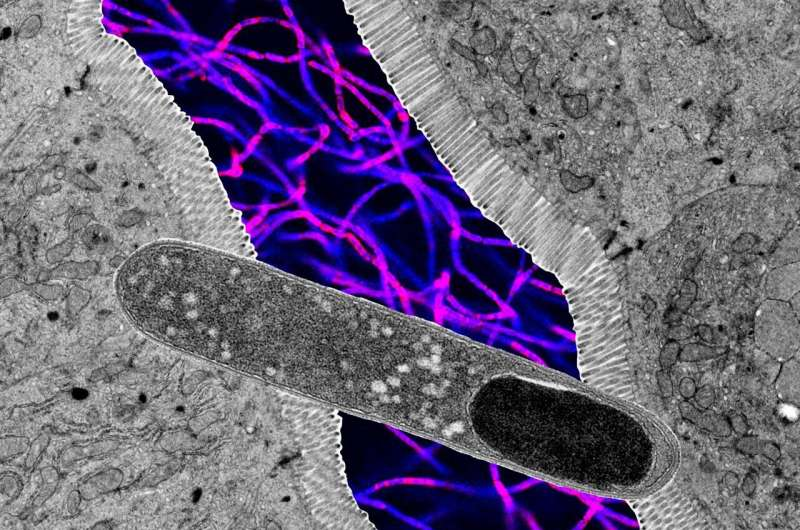
The connection between the gut and overall health has been a major focus of scientific research for years, especially when it comes to weight gain, obesity, and metabolism. The trillions of bacteria and fungi living in the digestive tract, collectively known as the gut microbiome, play a powerful role in how the body processes food, stores fat, and regulates blood sugar. Now, researchers at the University of Utah have pinpointed a single gut bacterium that appears to put the brakes on weight gain—at least in mice.
The bacterium, called Turicibacter, was found to significantly reduce weight gain and improve metabolic health in mice fed a high-fat diet. The findings, published in the scientific journal Cell Metabolism, offer a clearer look at how individual gut microbes can influence metabolism and raise new possibilities for future weight-management therapies.
How the Gut Microbiome Is Linked to Weight and Health
Scientists have long known that people with obesity tend to have different gut microbiomes compared to people with lower body weight. Certain microbial patterns are associated with weight gain, insulin resistance, and metabolic diseases. This has led to growing interest in whether adjusting gut bacteria could help improve health outcomes.
The challenge is scale. A single human gut can contain hundreds of different microbial species, all interacting with each other and with the host. Determining which microbes actually matter—and how—has been extremely difficult. Many beneficial bacteria also die when exposed to oxygen, making them hard to study outside the gut.
Previous research from the same team showed that a large group of around 100 gut bacteria could collectively prevent weight gain in mice. But narrowing that effect down to individual species took years of painstaking lab work.
Identifying Turicibacter as a Key Player
After culturing and testing individual microbes one by one, the researchers discovered that Turicibacter, a rod-shaped bacterium, could single-handedly reproduce many of the benefits seen in the larger bacterial group.
When mice on a high-fat diet were given Turicibacter, they showed less weight gain, lower blood sugar, and reduced fat levels in the blood compared to mice that did not receive the bacterium. These effects were striking because researchers initially expected that several microbes would be needed to see meaningful metabolic changes.
The discovery stood out because one microbe alone was able to produce such dramatic improvements in metabolic health. This finding helped clarify which members of the gut microbiome might be most important for regulating weight.
How Turicibacter Improves Metabolic Health
Further experiments revealed that Turicibacter influences metabolism through the fats it produces. These bacterial fats are absorbed by the small intestine, where they affect how the host processes dietary fat.
When researchers added purified fats produced by Turicibacter directly to a high-fat diet, the mice experienced the same weight-controlling benefits as those given the live bacterium. This showed that the beneficial effects were not just due to the presence of the microbe itself, but specifically to the molecules it produces.
Turicibacter generates thousands of different fat molecules, often described as a complex “lipid soup.” While scientists have not yet identified which specific fats are responsible for the metabolic improvements, narrowing down these molecules is now a major focus of future research.
The Role of Ceramides in Weight Gain
One of the most important discoveries in the study involves a group of fats called ceramides. Ceramide levels tend to increase when animals consume a high-fat diet, and elevated ceramides are strongly linked to type 2 diabetes, heart disease, and other metabolic disorders.
The researchers found that fats produced by Turicibacter help keep ceramide levels low, even when mice are eating a high-fat diet. By limiting ceramide accumulation, Turicibacter appears to protect the body from some of the harmful metabolic effects of dietary fat.
This insight helps explain why the bacterium has such a powerful effect on weight gain and metabolic health.
A Complex Feedback Loop Between Diet and Gut Bacteria
The relationship between Turicibacter and dietary fat is not one-sided. While the bacterium helps the host handle fat more effectively, too much fat in the gut actually prevents Turicibacter from thriving.
In the study, mice fed a high-fat diet gradually lost Turicibacter from their gut microbiomes unless the bacterium was regularly reintroduced. This suggests a feedback loop in which:
- High-fat diets reduce Turicibacter levels
- Lower Turicibacter levels lead to poorer fat processing
- Poor fat processing contributes to weight gain and metabolic problems
Understanding this loop could be critical for designing therapies that aim to restore or maintain beneficial gut microbes.
What This Means for Humans
Although the study was conducted in mice, there are intriguing hints that Turicibacter may also be relevant to humans. Previous observations show that people with obesity tend to have lower levels of Turicibacter in their gut microbiomes.
That said, researchers are careful to emphasize that animal studies do not always translate directly to humans. More research is needed to determine whether Turicibacter has similar effects in people and whether it can be safely used as a treatment.
Why This Research Matters
This study highlights the growing idea that microbes could be used as medicine. Instead of targeting metabolism with traditional drugs alone, future therapies might involve:
- Live bacterial supplements
- Purified bacterial molecules
- Customized microbial consortia designed to correct specific imbalances
Because Turicibacter-derived fats already exist naturally in the gut, they may carry fewer side effects than synthetic drugs.
Additional Background: The Gut Microbiome and Metabolism
The gut microbiome plays a role in:
- Regulating appetite hormones
- Influencing insulin sensitivity
- Controlling inflammation
- Affecting how efficiently calories are absorbed
Disruptions to this system have been linked to obesity, diabetes, autoimmune diseases, and even mental health conditions. Research like this helps move the field beyond broad associations and toward specific mechanisms and targets.
What Comes Next
Future research will focus on:
- Identifying the exact lipid molecules responsible for Turicibacter’s effects
- Testing these molecules in human models
- Exploring whether other gut bacteria have similar or complementary roles
Scientists believe this work is just the beginning of uncovering how microbial products can be harnessed to improve health.
Research Reference:
https://www.cell.com/cell-metabolism/fulltext/S1550-4131(25)00432-7