Science Army Mobilizes to Map the Vast and Mysterious US Soil Microbiome
A large-scale scientific effort is underway to explore one of the most complex and least understood ecosystems on Earth: the soil beneath our feet. Geneticists from Johns Hopkins University, along with a nationwide network of researchers and students, have joined forces to systematically catalog the soil microbiome of the United States. This ambitious project aims to uncover the staggering diversity of microorganisms that live in soil and to better understand how they influence ecosystems, agriculture, and human health.
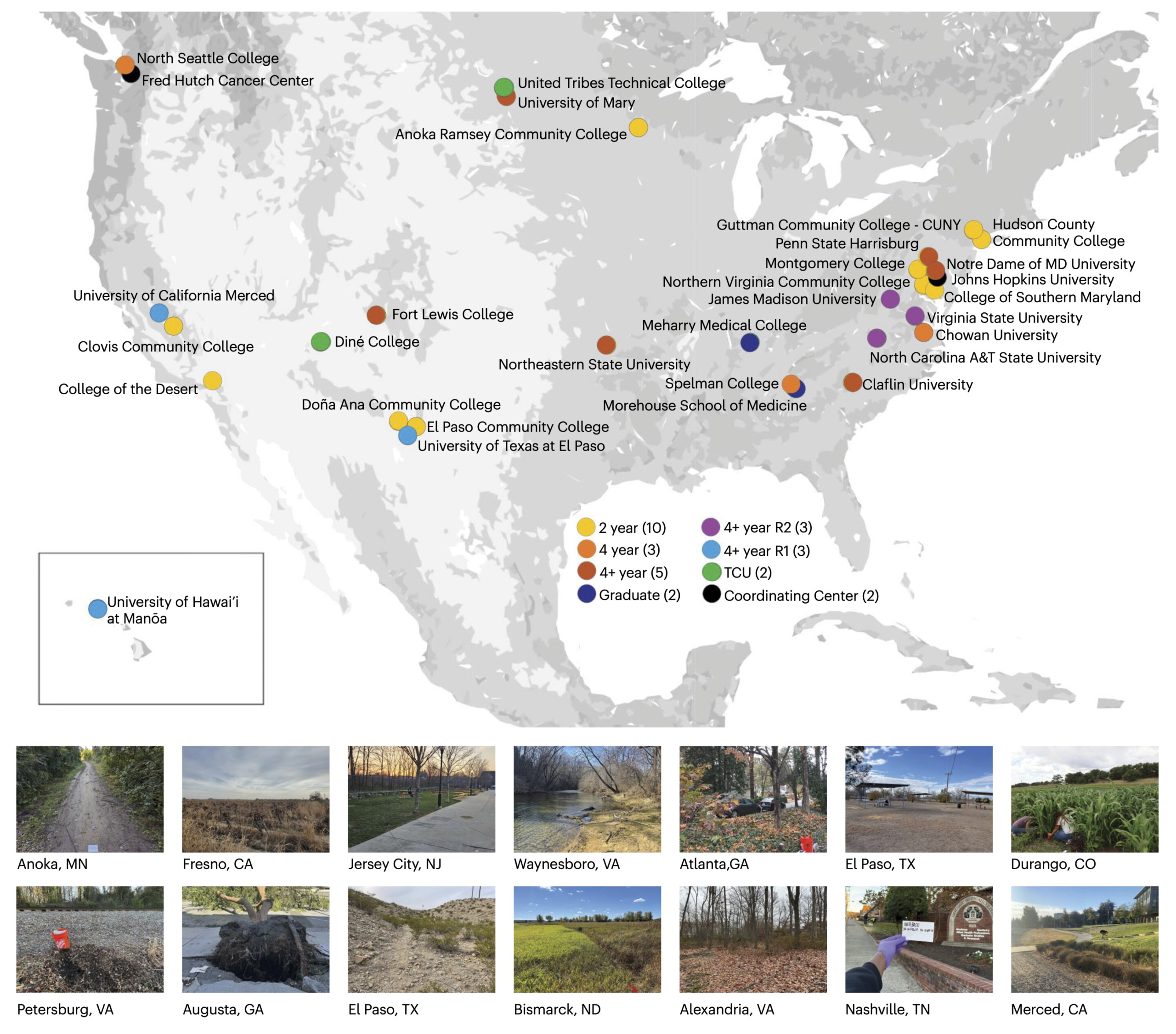
The initiative is being carried out by the BioDiversity and Informatics for Genomics Scholars (BioDIGS) consortium, a collaborative research and education network that spans more than 40 sites across the country. With a team of around 150 participants from dozens of institutions, BioDIGS represents one of the largest soil microbiome studies ever attempted.
Why Soil Microbes Matter So Much
Soil is often taken for granted, yet it is widely recognized as the most biologically active environment on the planet. It is home to more than half of all known species, including vertebrates, insects, worms, plants, fungi, and an astonishing range of microorganisms such as bacteria, archaea, bacteriophages, and other microbes.
These microorganisms are not just passive residents. Many play essential roles in ecological processes, including nutrient cycling, carbon storage, soil fertility, and plant health. Some microbes support crop growth, while others influence how soil responds to climate change. At the same time, certain soil microorganisms can contribute to the spread of antimicrobial resistance, a growing global health concern that allows pathogens to evade antibiotics and other treatments.
Despite their importance, scientists estimate that about 99% of soil microorganisms remain unstudied. This enormous knowledge gap is often referred to as microbial “dark matter”, highlighting how little is known about the vast majority of life forms hidden in soil.
A Nationwide Scientific Network
The BioDIGS consortium was created to tackle this challenge at a scale large enough to make a meaningful impact. Researchers and students from institutions across the United States collect soil samples from both urban and rural environments, ensuring a broad representation of landscapes and conditions.
Samples have been gathered from playgrounds, wooded streams, hiking trails, farms, lawns, forests, grasslands, and public parks. Some teams have focused on particularly interesting or high-impact locations. For example, researchers from Spelman University in Atlanta collected soil near a Superfund hazardous waste site, while students at United Tribes Technical College in North Dakota sampled land on their campus that may be developed in the future.
Around Baltimore, teams have collected soil from a wide range of everyday locations, demonstrating that scientifically valuable data can come from places people interact with daily. This wide geographic and environmental coverage is crucial for understanding how soil microbes vary across regions, climates, and land-use patterns.
Cutting-Edge DNA Technology at Work
One of the key reasons this project is possible now is the rapid advancement of DNA sequencing technologies. The BioDIGS team is using long-read sequencing, a powerful method that allows scientists to analyze lengthy stretches of DNA with high accuracy. This same technology was instrumental in completing the final, previously unresolved portions of the human genome.
By applying these tools to soil samples, researchers can identify genetic relationships between microorganisms, discover entirely new species, and build reference genomes that help scientists recognize and study microbes in future research. So far, the project has already led to the discovery of more than 1,000 previously unknown strains of bacteria and other microbes. Even so, researchers emphasize that this represents only a tiny fraction of the total diversity believed to exist in U.S. soils.
Education as a Core Mission
BioDIGS is not just a research initiative; it is also a major educational effort. A central goal of the consortium is to train the next generation of genetic and data scientists, particularly by involving students directly in real-world research.
To date, more than 100 student researchers have actively contributed to the project. Students participate in every stage of the work, from collecting soil samples to analyzing DNA data, building microbial genomes, and identifying genes. The project has also helped strengthen genetics and genomics course materials at participating institutions.
Faculty leaders have emphasized that involving students is not just beneficial for education but essential for the scale of the project. The complexity and volume of data generated by nationwide sampling require many skilled hands and minds. In the process, students gain experience in advanced data science, bioinformatics, and genomics, fields that are increasingly important across biology and medicine.
Inspired by Earlier Microbiome Projects
The BioDIGS initiative was partly inspired by the MetaSUB Consortium, a project launched in 2010 to collect and study microbes from subway systems, beginning in New York City and eventually expanding into a global effort. Like MetaSUB, BioDIGS relies on large-scale collaboration and standardized methods to map microbial diversity across many locations.
However, soil presents an even greater challenge. Compared to urban surfaces, soil ecosystems are far more complex, with countless interacting species and environmental variables. Mapping this diversity requires not only advanced technology but also a coordinated national strategy.
Broader Implications for Science and Society
Understanding the soil microbiome has implications far beyond basic biology. Soil microbes influence food security, ecosystem resilience, and climate regulation. Some microorganisms help store carbon in soil, potentially slowing climate change, while others affect how nutrients move through ecosystems.
From a health perspective, studying soil microbes can shed light on how antimicrobial resistance genes emerge and spread in the environment. This knowledge could inform strategies to reduce risks to human and animal health.
By building a comprehensive genetic catalog of soil microbes, BioDIGS is laying the groundwork for future research in agriculture, medicine, environmental science, and biotechnology.
A Truly Collaborative Effort
The study involves a large group of contributors, with dozens of authors representing institutions across the country. Corresponding authors include researchers from United Tribes Technical College, Spelman College, the City University of New York, the Fred Hutch Data Science Lab, and Virginia State University, highlighting the project’s broad and inclusive collaboration.
At its core, BioDIGS demonstrates what can be achieved when scientists, educators, and students work together to tackle questions that are simply too big for any single lab or institution.
As sampling continues and data analysis deepens, researchers expect the project to reveal many more hidden forms of life and to significantly expand our understanding of the living soil ecosystem that supports life on Earth.
Research paper: https://www.nature.com/articles/s41588-025-02442-5