Hemp Roots Offer New Opportunities for Farmers and Cancer Research
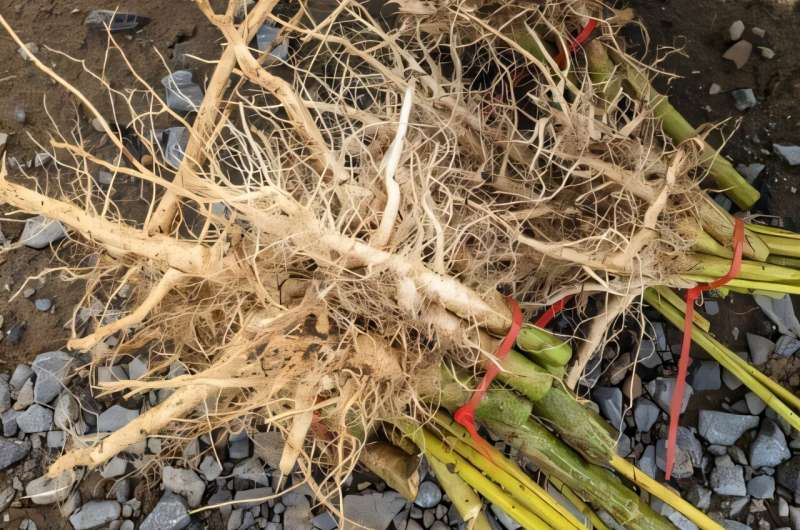
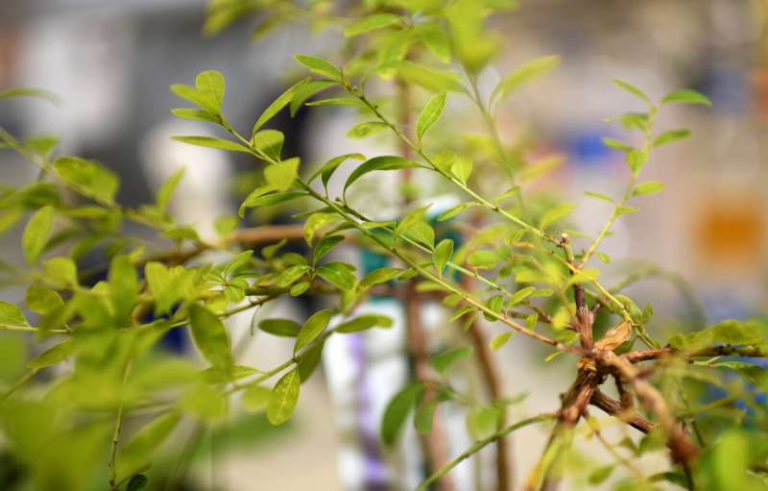
Industrial hemp has long been valued for what grows above the ground. Its fiber is used for textiles and construction materials, its grain provides protein and oil, and its flowers are widely studied for cannabinoids. But until recently, one part of the plant was largely ignored and often discarded after harvest: the roots. New research from scientists at the U.S. Department of Agriculture’s Agricultural Research Service (USDA-ARS) is now changing that perspective, revealing that hemp roots may hold both economic potential for farmers and scientific promise in cancer research.
This discovery marks a significant shift in how industrial hemp is understood and used, positioning it more clearly as a multi-purpose crop rather than one limited to a few commercial outputs.
A Closer Look at an Overlooked Part of the Hemp Plant
Industrial hemp, scientifically known as Cannabis sativa L., has been cultivated for thousands of years. Historically, attention has focused on its stalks and seeds, while roots were treated as agricultural waste. In most commercial operations, hemp roots are left in the soil or removed and discarded without further use.
Researchers at USDA-ARS questioned this long-held assumption. While studying the chemical composition of hemp roots, Dr. Korey Brownstein, a research chemist at the National Center for Agricultural Utilization Research in Peoria, Illinois, noticed something unexpected during routine analysis. A previously unidentified substance appeared consistently in root samples, prompting deeper investigation.
This initial observation set off a three-year research effort aimed at understanding what exactly was present in the roots and whether it held any biological or commercial value.
Discovery of Rare Compounds in Hemp Roots
Through detailed chemical analysis and structural modeling, the research team identified four distinct compounds in hemp roots. These compounds were predicted to be neolignans, a class of natural plant molecules formed during normal biological processes.
Neolignans are not entirely new to science. Similar compounds have been found in other plant species, including paper mulberries and certain trees native to Sumatra and the Malay Peninsula. However, what makes this discovery notable is that these specific neolignans had never before been isolated from industrial hemp roots.
Isolating and purifying the compounds was not simple. The team described the process as technically complex and increasingly difficult, with each step requiring precision and patience. Despite the challenges, the researchers persisted due to the potential biological activity suggested by the compounds’ structures.
Testing the Compounds Against Cancer Cells
The discovery became even more significant when the USDA-ARS team partnered with scientists from the Pediatric Oncology Laboratory at the University of Illinois College of Medicine Peoria. Together, they explored whether the newly isolated compounds had any effect on cancer cells.
Laboratory tests showed that the neolignans demonstrated moderate cytotoxic activity, meaning they were capable of killing cancer cells under controlled conditions. Specifically, the compounds were tested against pediatric cancer cell lines, an area where new treatment options are urgently needed.
Some pediatric cancers do not respond well to existing therapies, and treatment options can be limited or highly toxic. The ability of these hemp-derived compounds to damage cancer cells in vitro suggests a potential starting point for future drug development, although much more research is required before any clinical application.
It is important to emphasize that these findings are early-stage. The results come from laboratory studies, not human trials. Still, identifying new molecules with measurable anticancer activity is a critical first step in the long path of medical research.
Why This Matters for Pediatric Cancer Research
Pediatric cancers differ significantly from adult cancers in both biology and treatment response. Many therapies used for adults can cause long-term side effects in children, affecting growth, cognitive development, and overall quality of life.
The discovery of new compounds with unique chemical structures offers researchers additional tools to explore more targeted and potentially less harmful treatment strategies. By expanding the pool of molecules available for study, hemp roots may contribute to future alternatives for childhood cancers that resist standard treatments.
The research team plans to further refine their understanding of how these neolignans work, including their mechanisms of action at the cellular level.
A New Revenue Stream for Industrial Hemp Farmers
Beyond the laboratory, this discovery has meaningful implications for agriculture. Industrial hemp growers often operate in a challenging market, with fluctuating prices and limited end uses compared to major crops like corn or soybeans.
By adding value to hemp roots, farmers could gain access to a previously untapped revenue stream. Instead of discarding roots, they could potentially be harvested and processed for pharmaceutical or research applications.
This approach supports the idea of treating hemp as a whole-plant commodity, where every part has economic potential. Fiber, grain, paper products, and now bioactive compounds from roots could all contribute to a more stable and diversified hemp industry.
For growers considering long-term investments in industrial hemp, this added value could improve profitability and reduce risk.
What Happens Next in the Research
The USDA-ARS team is not stopping with initial discovery. Their next steps include scaling up the extraction process so larger quantities of the compounds can be produced. This is essential for conducting more detailed and controlled studies.
Future research will involve testing the neolignans against a broader range of cancer cell lines and examining their effects more closely. Researchers also aim to understand how these molecules interact with cells, whether they trigger programmed cell death, and how selective they are for cancerous cells versus healthy ones.
Only after extensive laboratory and preclinical studies could any consideration be given to clinical trials, a process that typically takes many years.
Understanding Neolignans and Their Broader Importance
Neolignans belong to a larger family of plant-derived compounds known for a wide range of biological activities. In other plant species, neolignans have been studied for antimicrobial, anti-inflammatory, and anticancer properties.
Plants often produce such compounds as part of their natural defense systems. By studying these molecules, scientists can uncover new chemical scaffolds that inspire drug development, even if the original compound itself is not used directly as a medicine.
The identification of neolignans in hemp roots expands the known chemical diversity of Cannabis sativa, a plant that continues to surprise researchers with its complexity.
Rethinking Industrial Hemp as a Multi-Use Crop
This research reinforces a broader shift in agricultural science: moving away from single-use crops toward maximizing value from every component of a plant. Industrial hemp is particularly well-suited to this approach due to its rapid growth, adaptability, and wide range of applications.
By demonstrating that hemp roots contain biologically active compounds with real research value, scientists are encouraging farmers, policymakers, and industry leaders to rethink how hemp is cultivated and processed.
The discovery does not mean hemp roots will immediately become a commercial pharmaceutical product. However, it does open new doors for collaboration between agriculture, chemistry, and medical research, benefiting multiple sectors at once.
Research Reference
Neolignans isolated from industrial hemp (Cannabis sativa L.) roots have cytotoxic effects on cancer cells – Journal of Cannabis Research (2025)
https://doi.org/10.1186/s42238-025-00316-5