Birding Enthusiasts Can Help Songbirds Avoid Salmonella Epidemics
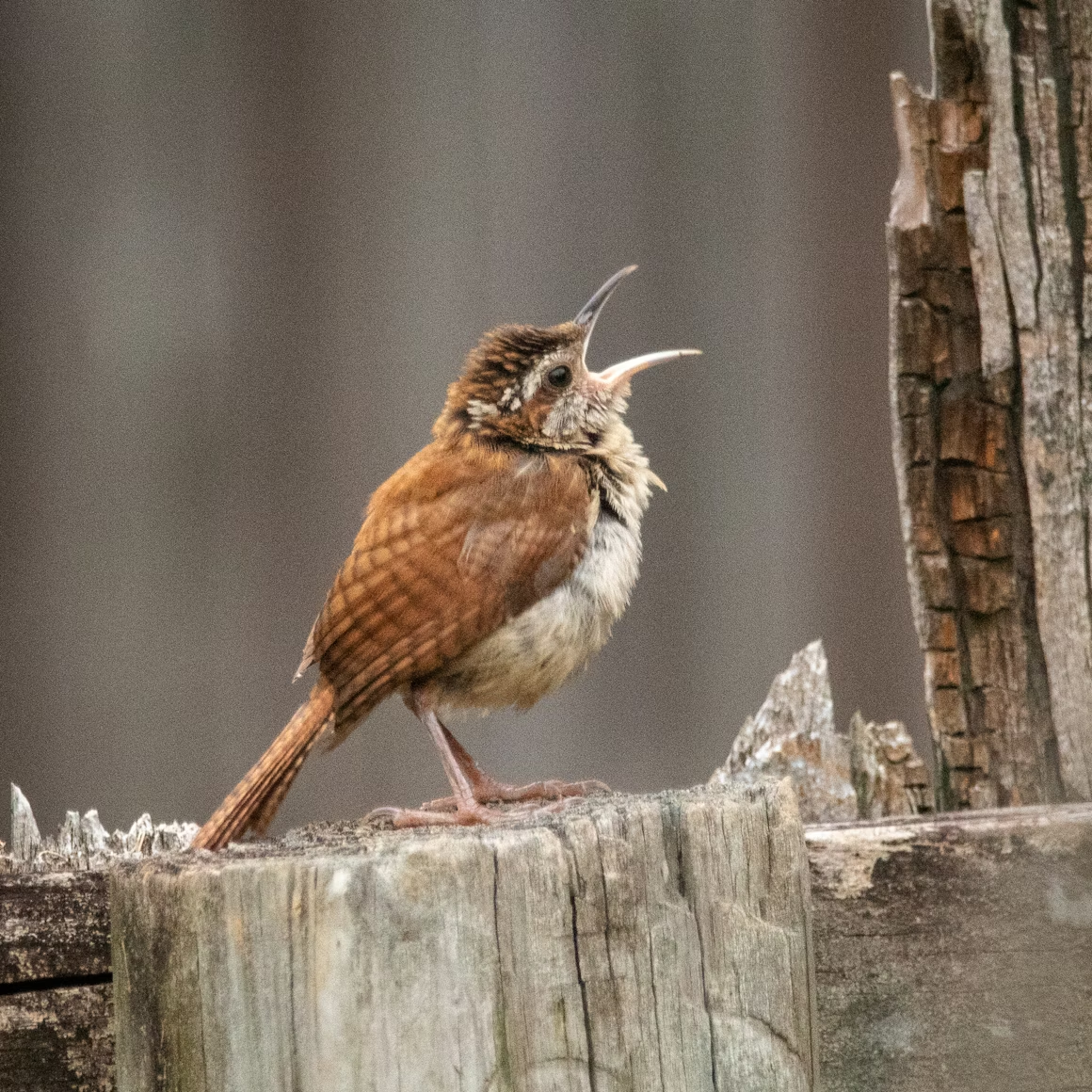
Bird feeding is one of the most popular ways people in the United States connect with nature. From backyard feeders to city balconies, millions of Americans regularly put out seed to attract songbirds. But new research from UCLA shows that under certain environmental conditions, this well-intentioned activity can unintentionally contribute to deadly Salmonella outbreaks in wild bird populations. The good news is that scientists are now developing a way to predict when these outbreaks are most likely to happen—giving bird lovers a chance to act early and help protect birds, pets, and even people.
The study, published in the Proceedings of the National Academy of Sciences, focuses on how climate variability, forest ecology, bird migration patterns, and disease transmission are all tightly connected. By understanding these links, researchers believe it is possible to forecast periods of high disease risk and reduce outbreaks simply by adjusting when bird feeders are used.
Why Salmonella Is a Serious Problem for Songbirds
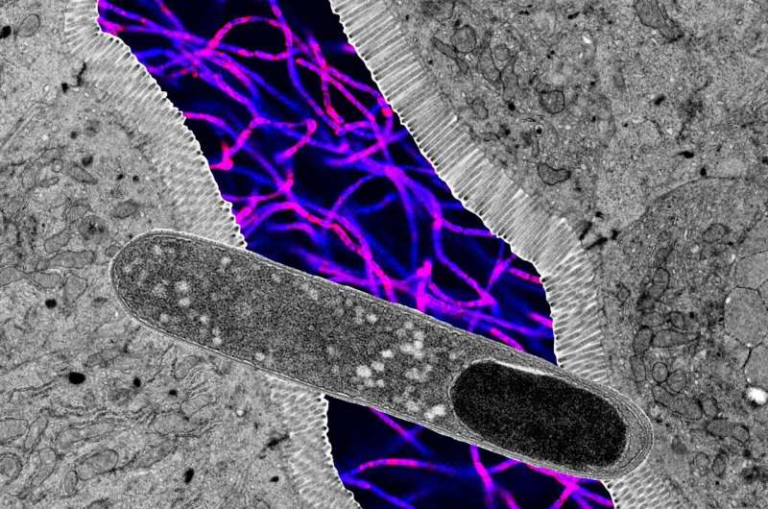
Salmonella is a bacterium that can cause salmonellosis, a disease affecting both animals and humans. In wild songbirds, salmonellosis can lead to severe illness and death, especially when birds gather in large numbers. The disease spreads easily when birds feed in crowded conditions, particularly at backyard feeders where infected birds may contaminate seed or surfaces with feces.
The issue gained widespread attention during the winter of 2020–2021, when the Centers for Disease Control and Prevention traced a multistate Salmonella outbreak to pine siskins, a small finch-like bird. That outbreak sickened multiple people and even a dog, highlighting how diseases circulating in wild birds can spill over into homes and communities.
By the time such outbreaks are detected, however, the disease is often already widespread. That delay is what motivated researchers to look for a way to anticipate outbreaks before they begin.
The Ecological Chain Reaction Behind Outbreaks
At the heart of the study is a climate-mediated ecological cascade—a chain reaction that starts with weather patterns and ends with disease outbreaks.
Many songbirds depend heavily on seeds from conifer trees, such as pines and spruces. These trees do not produce the same number of cones every year. Instead, they follow a pattern known as masting, where trees across large regions produce huge numbers of cones in some years and very few in others. Previous research has shown that masting is closely linked to climate, especially temperature patterns.
The UCLA researchers found that large temperature differences between consecutive summers—for example, one unusually warm summer followed by a colder one—are associated with a sharp drop in pine cone production the following year. When cones are scarce, seed-eating birds lose a major food source in forests.
As a result, birds such as pine siskins, redpolls, and crossbills undertake sudden mass movements called irruptions, traveling far outside their usual ranges in search of food. These irruptions often bring millions of birds into urban and suburban areas, where bird feeders become an attractive and concentrated food source.
Crowded feeders create ideal conditions for Salmonella transmission. When many birds feed in the same spot, the chances increase that healthy birds will ingest bacteria left behind by infected ones. The study shows that years with strong irruptions are strongly associated with larger and more severe Salmonella outbreaks in songbirds.
How the Prediction Tool Was Built
To uncover these relationships, the researchers analyzed data spanning four decades, drawing from four major sources:
- A U.S. Geological Survey database documenting disease outbreaks in wild animals, including estimates of how many songbirds were sick or died from Salmonella each year.
- The Audubon Christmas Bird Count, which provided long-term data on winter bird populations and movements.
- An academic database tracking pine cone production across forests in North America.
- NASA’s Daymet climate dataset, which offers detailed daily weather and climate estimates across the continent.
By linking these datasets, the team identified consistent patterns connecting climate variability, cone production, bird irruptions, and disease outbreaks. The result is a predictive framework that can estimate when environmental conditions are lining up in ways that increase Salmonella risk.
Regional Differences Across the United States
The study examined patterns east and west of the Rocky Mountains, and while the overall trends held in both regions, there were important differences.
In the western United States, irruptions and Salmonella outbreaks tended to be more intense and widespread. Large-scale climate variability and extensive conifer forests appear to amplify the ecological cascade in this region.
In the eastern United States, outbreaks were generally milder and more localized. Irruptions still occurred, but their impacts on disease spread were less dramatic than in the West.
Understanding these regional differences is critical for refining predictions and tailoring public guidance.
What This Means for Bird Lovers
Bird-related activities are incredibly common. Roughly one-third of American adults engage in birdwatching or bird feeding, and an estimated 40 to 50 million people buy bird seed each year. The researchers are clear that bird feeding is not inherently bad and does not need to stop altogether.
Instead, the goal is temporary, targeted action. During years when the model predicts unusually large irruptions and higher disease risk, birders can help by taking down feeders for a short period. This reduces crowding and can stop outbreaks before they gain momentum.
Maintaining feeder hygiene, avoiding contact with sick or dead birds, and keeping pets away from feeding areas are also important steps. Backyard chickens and dogs can become infected if they peck or sniff around contaminated areas, and humans can get sick from handling infected birds without proper precautions.
Why This Matters for Conservation and Public Health
Wild songbird populations are already under pressure from habitat loss and climate change, making disease outbreaks even more concerning. Preventing large-scale salmonellosis events could help protect vulnerable species during periods of environmental stress.
From a public health perspective, the research reinforces the idea that human, animal, and environmental health are deeply connected. Salmonella outbreaks linked to wild birds are relatively rare, but when they occur, they can affect people, pets, and wildlife simultaneously.
Looking Ahead
According to the researchers, the predictive model is still running and being tested in real time. So far, its forecasts suggest that the current season carries an average risk for bird irruptions and Salmonella outbreaks in both eastern and western regions, meaning there is no elevated cause for concern right now.
The broader hope is that this tool will eventually allow wildlife agencies, birding organizations, and the public to respond proactively—protecting birds without giving up the joy of feeding them.
Extra Background: Why Pine Siskins Are Often Involved
Pine siskins play a central role in many Salmonella outbreaks because of their highly irruptive behavior. Unlike many migratory birds that follow predictable seasonal routes, pine siskins move opportunistically based on food availability. In low-cone years, they can appear suddenly in massive numbers far from their usual range.
They are also highly social and readily use feeders, which makes them especially vulnerable to disease transmission. This combination of behavior and ecology explains why pine siskins were at the center of the 2020–2021 outbreak and why they feature prominently in the study’s findings.
Research Paper:
An ecological cascade links climatic variability to avian irruptions and zoonotic salmonellosis outbreaks
Proceedings of the National Academy of Sciences (2026)
https://doi.org/10.1073/pnas.2511209123