New AI Tool Removes a Major Bottleneck in Animal Movement Analysis
Researchers at the University of St Andrews have developed a new artificial intelligence tool that could significantly change how scientists study animal behavior. The tool, called PoseR, is designed to read animal movement directly from video footage and convert it into clear, human-readable descriptions. By automating a process that has traditionally been slow and labor-intensive, PoseR promises to make behavioral research faster, cheaper, and far more scalable across species.
The research behind PoseR has been published in the scientific journal Open Biology, and it addresses a long-standing challenge faced by neuroscientists, psychologists, and biologists: the difficulty of efficiently analyzing animal behavior from video recordings.
Why Animal Movement Analysis Has Been a Bottleneck
Animal behavior is one of the most important windows scientists have into how the brain functions. Changes in movement can reveal how neural circuits work, how diseases affect the nervous system, and how treatments might restore normal function. However, despite advances in imaging and data collection, behavioral analysis has remained stubbornly slow.
Traditionally, researchers have had to manually watch and annotate video recordings of animals, scoring behaviors frame by frame. Even for relatively small experiments, this process can take weeks or even months, making large-scale studies impractical. Manual scoring is also prone to human bias and inconsistency, which can affect the reproducibility of results.
PoseR was developed specifically to remove this bottleneck and allow researchers to focus more on discovery rather than data processing.
What PoseR Does and How It Works
At its core, PoseR is a deep learning toolbox that classifies animal behavior using movement data extracted from video. Instead of analyzing raw pixels, the tool works with pose data—the positions of key body parts tracked across time.
PoseR uses a class of AI models known as Graph Neural Networks. These networks are particularly well suited to analyzing structures that can be represented as graphs. In PoseR’s case, an animal’s body is treated as a graph, where body parts act as nodes and the connections between them form edges. This allows the AI to understand both the shape of the animal and how that shape changes during movement.
Because animals come in many different forms, this graph-based approach makes PoseR highly flexible. It can adapt to different body plans rather than being limited to a single species.
Once the pose data is processed, PoseR assigns behavioral categories to the movements, producing outputs that are easy for researchers to interpret and analyze.
Designed to Be Practical and Accessible
One of the key strengths of PoseR is its accessibility. The tool is implemented as a plugin for Napari, a popular multi-dimensional image viewer widely used in scientific research. This means researchers can integrate PoseR into existing workflows without needing extensive programming expertise.
PoseR also works alongside common pose-estimation tools such as DeepLabCut, which are already widely used to track animal movement from video. By building on existing technologies, PoseR lowers the barrier to entry for labs that want to adopt AI-based behavioral analysis.
Tested Across Multiple Species
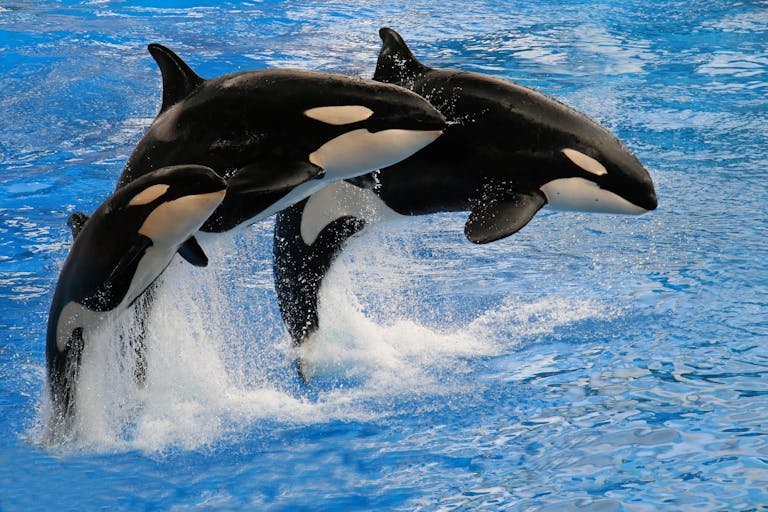
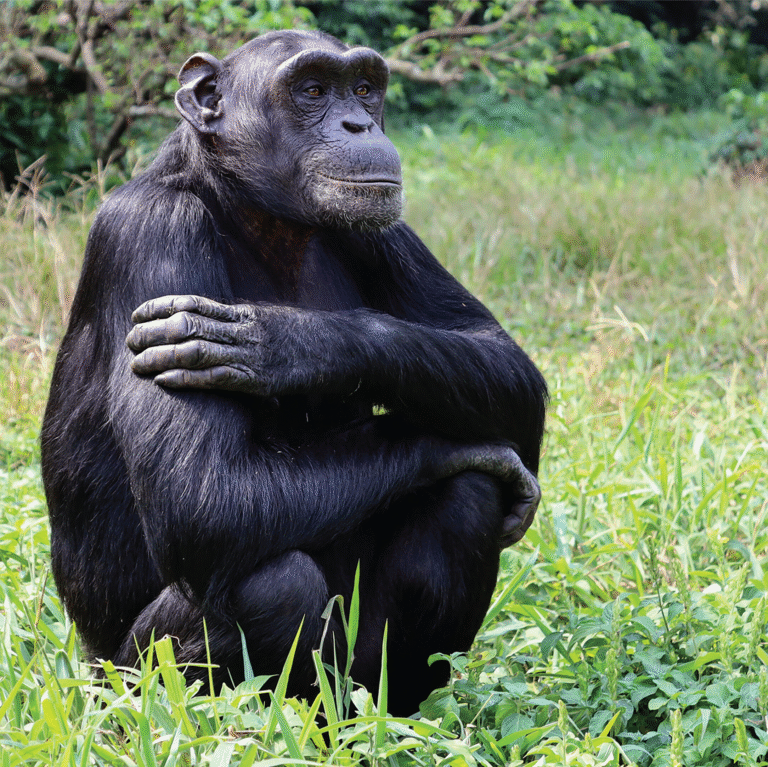
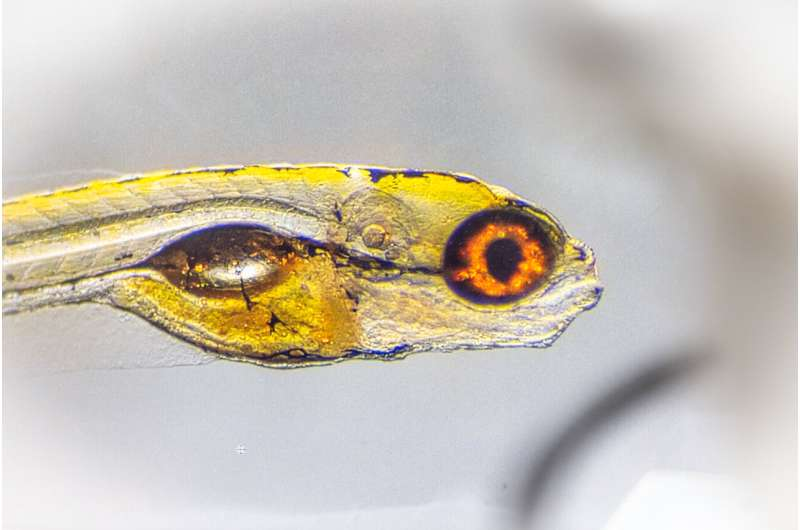
A major advantage of PoseR is its ability to generalize across different animals. In the published research, the tool was tested on zebrafish larvae, fruit flies, mice, and rats. This cross-species capability is critical for comparative biology and neuroscience, where researchers often need to analyze behavior in very different organisms.
Because PoseR does not rely on handcrafted features tailored to a single species, it can be retrained for new animals with relative ease. This makes it suitable for a wide range of applications, from laboratory neuroscience to behavioral ecology.
Who Developed PoseR
The development of PoseR was led by Dr. Maarten Zwart from the School of Psychology and Neuroscience at the University of St Andrews. His research focuses on understanding how the brain and spinal cord work together to produce movement.
The project began during the COVID lockdown period, when researchers had limited access to laboratories but increased time for computational work. It was driven forward by Dr. Pierce Mullen, with key contributions from Dr. Holly Armstrong, a research technician, and undergraduate researchers Beatrice Bowlby and Angus Gray.
What started as a lockdown project has now evolved into a robust research tool with the potential for widespread impact.
Why This Matters for Neuroscience and Medicine
By automating behavior analysis, PoseR enables larger and faster studies than were previously feasible. This is especially important for neuroscience research, where linking behavior to brain activity often requires analyzing vast amounts of data.
The tool also improves reproducibility, a major concern in modern science. Automated classification reduces subjective judgment and ensures that the same behaviors are identified consistently across experiments and research groups.
In the long term, PoseR could play a role in rapid screening of animal models for disease, helping researchers identify subtle behavioral changes linked to neurological disorders. This could accelerate the discovery of disease mechanisms and, eventually, contribute to the development of new treatments.
A Closer Look at Graph Neural Networks
Graph Neural Networks are becoming increasingly popular in scientific applications because they can naturally represent complex systems. Unlike traditional neural networks that work on grids or sequences, GNNs excel at modeling relationships between interconnected elements.
In the context of animal behavior, this means PoseR can capture how different body parts move in relation to one another over time. This is crucial for distinguishing between behaviors that may look similar when viewed frame by frame but differ in their overall structure and timing.
The use of GNNs also eliminates the need for extensive manual feature engineering, allowing the model to learn relevant patterns directly from the data.
The Bigger Picture for Behavioral Science
PoseR is part of a broader shift toward AI-driven behavioral analysis. Over the past decade, advances in machine learning have transformed how scientists study movement, posture, and interaction. Tools like PoseR represent the next step, moving from raw tracking to meaningful interpretation.
As these technologies mature, researchers may be able to build large, standardized datasets of animal behavior that can be shared across labs and disciplines. This could lead to new insights into evolution, learning, disease, and brain function that were previously out of reach.
Research Reference
PoseR: a deep learning toolbox for classifying animal behaviour, Open Biology (2026)
https://royalsocietypublishing.org/doi/10.1098/rsob.250322