Algorithm Matches Drugs to Glioblastoma’s Diverse Cell Types, Opening New Doors for Personalized Brain Cancer Treatment
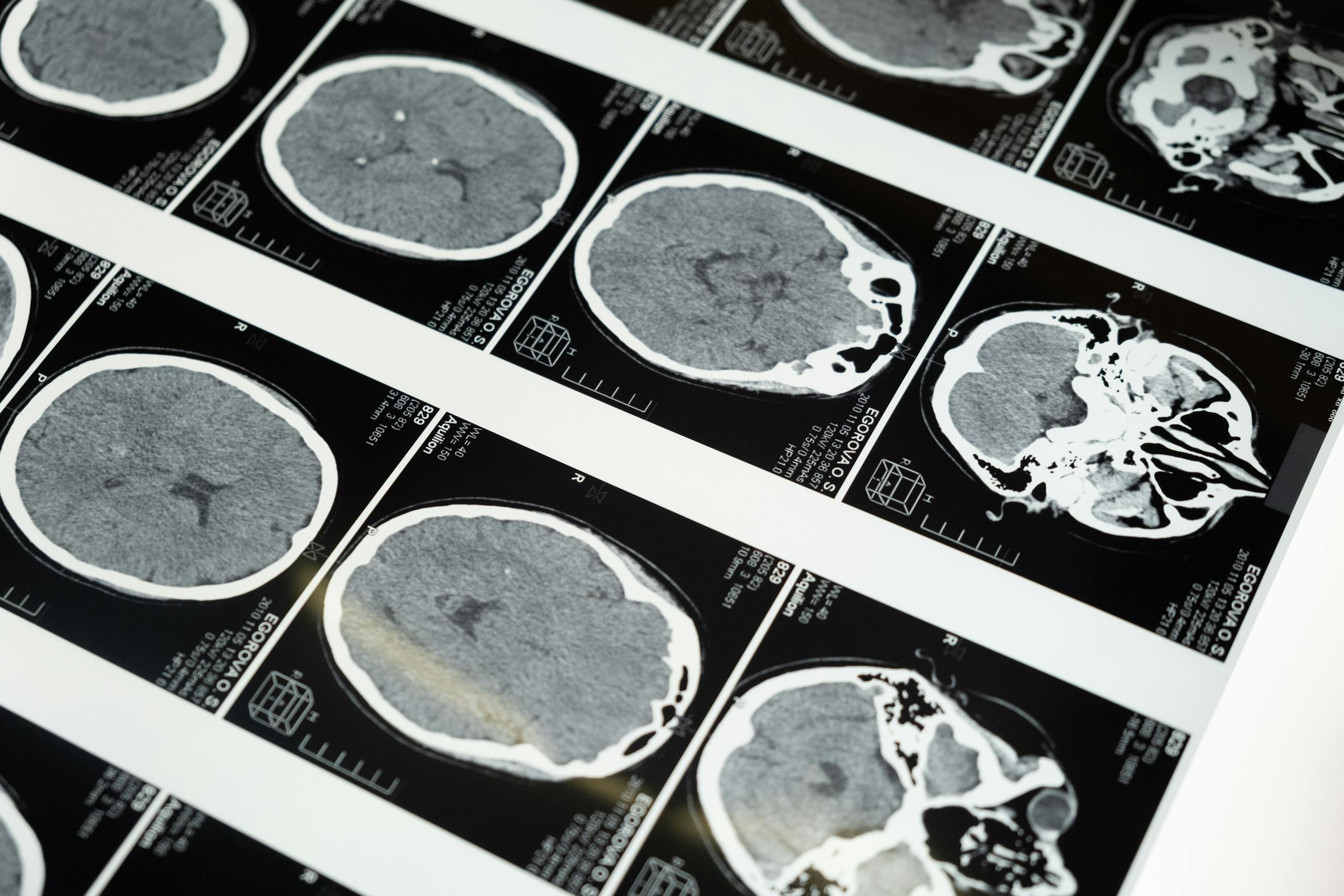
Researchers have unveiled a powerful new computational strategy that could change how glioblastoma, one of the deadliest brain cancers, is treated. By combining single-cell biology with large-scale drug data, scientists have created an algorithm that can match specific drugs to distinct tumor cell types within glioblastoma. The result is a framework that moves treatment closer to truly individualized therapy, rather than a one-size-fits-all approach.
This research was led by scientists at Georgetown University Medical Center’s Lombardi Comprehensive Cancer Center and published in Nature Communications in January 2026. While the study focuses on glioblastoma, the researchers believe the approach could be extended to many other cancers and complex diseases.
Why Glioblastoma Is So Hard to Treat
Glioblastoma is the most common malignant brain tumor in adults, and it is notoriously aggressive. Despite decades of research, outcomes have barely improved. Median survival remains around 15 months, and only about 7% of patients survive longer than five years after diagnosis. Each year, more than 10,000 people in the United States die from this disease.
One of the biggest challenges is tumor heterogeneity. Even within a single glioblastoma tumor, cancer cells can exist in dramatically different states. Some cells may behave like neural progenitor cells, others like astrocytes, and others resemble highly invasive mesenchymal cells. These states are not fixed. Tumor cells constantly shift by turning genes on or off in response to their environment, treatment pressure, and internal signaling.
This diversity means that a drug capable of killing one population of tumor cells may have little effect on another. As a result, treatments often fail, and resistant cells drive tumor recurrence.
A New Computational Framework Called scFOCAL
To address this problem, the research team developed scFOCAL, short for Single-Cell Framework for -Omics Connectivity and Analysis via L1000. This platform is designed to predict how different glioblastoma cell types respond to thousands of drugs.
The foundation of scFOCAL lies in single-cell RNA sequencing. Instead of averaging signals across millions of cells, this technique examines gene expression in individual tumor cells from both newly diagnosed and recurrent glioblastoma samples. This allows researchers to see exactly what each cell is doing at a given moment.
The algorithm then compares these cellular gene expression profiles with drug-induced gene expression signatures from the NIH LINCS L1000 database, one of the world’s largest repositories of drug response data.
How Drug Matching Works at the Cellular Level
Every drug in the LINCS L1000 database has a characteristic gene expression signature—essentially a molecular fingerprint showing which genes are turned up or down when cells are exposed to that compound.
scFOCAL looks for opposing patterns between tumor cell states and drug signatures. If a drug reverses the gene expression program of a particular glioblastoma cell population, it may be effective against that cell type.
This approach allows the algorithm to:
- Identify drug sensitivities in specific tumor cell states
- Predict drug resistance before treatment begins
- Suggest drug combinations that can target multiple cell populations at once
Importantly, the framework does not stop at single-drug predictions. It also evaluates how drugs might work together to cover the full spectrum of tumor cell diversity.
Why RNA Matters More Than DNA Here
One of the key insights behind this work is the decision to focus on RNA rather than DNA. DNA provides information about mutations and long-term genetic changes, but it is relatively static. RNA, on the other hand, reflects what a cell is actively doing at a specific moment in time.
By analyzing RNA, the researchers could capture the dynamic and adaptive nature of glioblastoma cells. This makes it possible to predict which drugs might work now, not just which mutations exist in the tumor.
This RNA-based perspective is especially valuable in cancers like glioblastoma, where cells rapidly shift states to evade treatment.
Experimental Validation and Real-World Testing
The predictions generated by scFOCAL were not left purely theoretical. The research team validated their findings using a combination of laboratory experiments, ex vivo tumor models, and in vivo studies.
These experiments confirmed that the algorithm could reliably identify:
- Cell populations that were highly sensitive to certain drugs
- Cell states that showed strong resistance
- Drug combinations capable of targeting multiple tumor states simultaneously
The framework also successfully recapitulated known drug responses, increasing confidence in its ability to make meaningful new predictions.
Expanding Beyond Existing Drug Libraries
While the LINCS L1000 database contains thousands of compounds, it does not include every possible drug. The researchers addressed this limitation by showing that scFOCAL can extrapolate from known drug signatures to identify molecules with similar properties.
This means that once promising molecular characteristics are identified, scientists can:
- Search for related compounds
- Design and synthesize new drugs based on those properties
In other words, scFOCAL is not limited to existing therapies—it can also help guide future drug development.
Toward Smarter Treatment Sequences
One of the most intriguing future directions of this work is the idea of treatment sequencing. Tumors evolve as they respond to therapy, often shifting into new cell states that are resistant to the initial drug.
The researchers envision a future where scFOCAL could:
- Predict how a tumor will change after the first treatment
- Recommend a second or third drug based on the tumor’s new state
- Continuously adapt therapy to stay ahead of resistance
This adaptive strategy could be especially powerful for cancers like glioblastoma, where recurrence is almost inevitable with current treatment approaches.
Broader Implications for Cancer Research
Although this study focuses on glioblastoma, the framework is broadly applicable. Many cancers—including breast, lung, and pancreatic cancers—exhibit significant cellular heterogeneity and treatment resistance driven by shifting cell states.
By integrating single-cell data with large-scale drug response databases, scFOCAL represents a broader shift toward precision oncology, where treatments are tailored not just to a patient, but to the evolving biology of their disease.
The researchers are now working closely with neuro-oncologists and neurosurgeons to translate these findings into clinical trials. As more patient data becomes available, the predictive power of the framework is expected to grow even stronger.
A Step Closer to Personalized Glioblastoma Therapy
Glioblastoma has seen only one new targeted therapy approved in the past two decades, underscoring how desperately new approaches are needed. This study does not claim an immediate cure, but it offers something equally important: a new way of thinking about treatment.
By acknowledging tumor diversity, embracing cellular dynamics, and using computational tools to guide therapy choices, scFOCAL brings personalized treatment for glioblastoma closer to reality.
For patients facing a disease with limited options, that shift alone is a meaningful step forward.
Research Paper:
https://www.nature.com/articles/s41467-025-67783-5