Food Insecurity Is Linked to a Higher Risk of Long COVID in Children, New Research Finds
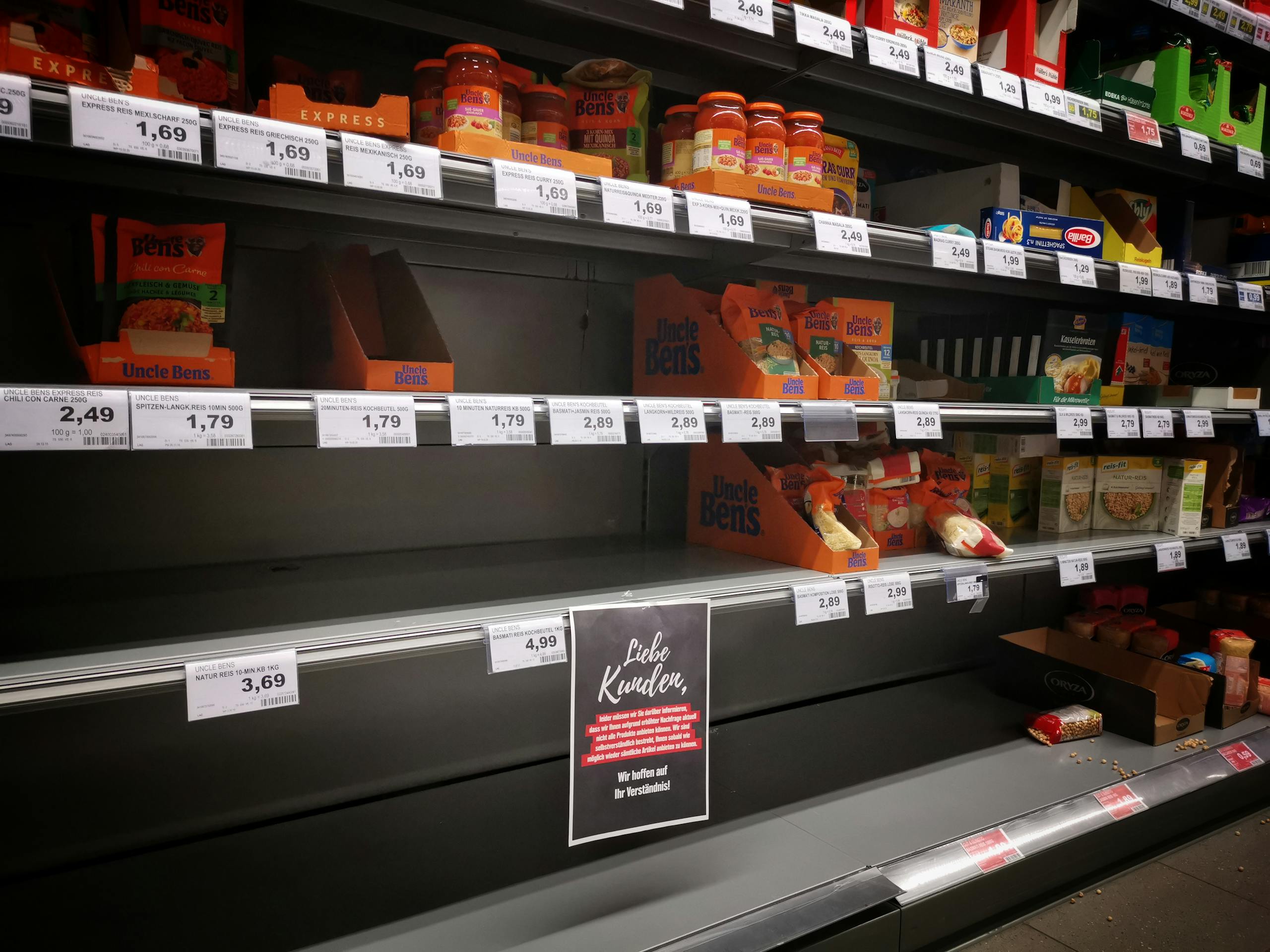
New research from Mass General Brigham is drawing attention to a factor that often sits outside traditional medical conversations: food insecurity and social conditions. According to a large U.S. study published in JAMA Pediatrics, children and adolescents who grow up facing economic instability, limited access to food, and adverse social environments are significantly more likely to develop long COVID after a SARS-CoV-2 infection.
Long COVID in children is an area of growing concern for researchers and clinicians alike. While many young people recover quickly from COVID-19, a meaningful number experience lingering symptoms that can affect daily life, school performance, and overall well-being. This study adds an important layer to the discussion by showing that social determinants of health play a measurable role in who is most at risk.
What the Study Looked At
The research team analyzed data from the RECOVER Initiative (Researching COVID to Enhance Recovery), a large national effort funded by the U.S. National Institutes of Health. For this analysis, researchers focused on a pediatric cohort that included 903 school-aged children and 3,681 adolescents, all of whom had a documented history of SARS-CoV-2 infection.
Participants were recruited from 52 medical sites across the United States, making this one of the most geographically diverse studies to examine pediatric long COVID to date. The goal was not just to understand medical risk factors, but to closely examine how non-medical, social, and economic conditions might influence long-term outcomes after COVID-19.
To do this, the researchers evaluated 24 different social risk factors, which they grouped into five broad domains:
- Economic stability, including food insecurity and difficulty paying for basic needs
- Social and community context, such as caregiver marital status, social support, and experiences of discrimination
- Caregiver education access and quality
- Neighborhood and built environment, including housing stability
- Health care access and quality
This comprehensive approach allowed the team to look beyond income alone and assess how multiple layers of social conditions interact with health outcomes.
The Strongest Links to Long COVID
One of the clearest findings from the study was that economic instability and poor social context stood out as the strongest predictors of long COVID risk in children and adolescents.
Among economic factors, food insecurity emerged as especially important. Children living in households that struggled to consistently access enough nutritious food had a significantly higher likelihood of experiencing long COVID symptoms compared to those in food-secure households. This association remained strong even after researchers adjusted for age, sex, race, ethnicity, and other health and social variables.
Interestingly, the study found that economic hardship alone was not always enough to increase risk. Families facing financial challenges but who were still able to maintain food security did not show the same elevated risk levels. In fact, food security appeared to be protective, even when other economic stressors were present.
On the social side, children exposed to low social support, high levels of stress, and experiences of discrimination were also more likely to develop long COVID. These social pressures, often overlooked in clinical settings, showed a meaningful association with prolonged symptoms after infection.
Why Food Security May Matter So Much
The researchers suggest several possible explanations for why food insecurity might influence long COVID risk. While the study itself was observational and cannot prove cause and effect, one leading theory centers on nutrition and inflammation.
A consistent, balanced diet supports immune function and helps regulate inflammatory responses in the body. When children lack reliable access to healthy food, their bodies may be less equipped to recover fully from viral infections. Over time, this could contribute to persistent inflammation, which is thought to play a role in long COVID symptoms.
Beyond biology, food insecurity is often linked with chronic stress, which can also affect immune health. Living in a household where basic needs are uncertain may place additional strain on a child’s physical and mental resilience during and after illness.
Understanding Social Determinants of Health
This study fits into a broader body of research on social determinants of health (SDOH). These are the non-medical factors that shape health outcomes, including where people live, learn, work, and socialize. For children, SDOH are especially influential because they shape development during critical years.
Prior research has shown that adverse social conditions can increase the risk of becoming ill with COVID-19. What makes this study different is its focus on long-term outcomes in children, an area where data has been relatively limited.
By examining multiple domains of social risk at once, the researchers were able to identify patterns that might be missed when looking at single factors in isolation. The results suggest that long COVID is not just a medical issue, but also a social one.
Why Long COVID in Children Is a Growing Concern
Although children are generally less likely than adults to experience severe acute COVID-19, long COVID presents a different challenge. Symptoms can include fatigue, difficulty concentrating, headaches, shortness of breath, and other issues that interfere with school and daily activities.
Because children are still developing physically and neurologically, persistent symptoms could have long-term consequences that extend into adulthood. This makes early identification of risk factors especially important.
The study’s authors emphasize that addressing social risk factors like food insecurity could play a role in reducing the overall burden of pediatric long COVID, particularly in vulnerable communities.
Implications for Public Health and Policy
One of the most important takeaways from this research is that public health interventions do not have to be purely medical to make a difference. Improving access to nutritious food, strengthening community support systems, and reducing discrimination may all contribute to better recovery outcomes for children after COVID-19.
Programs such as school meal initiatives, food pantries, and social support services could have benefits that extend beyond immediate hunger relief. According to the study’s findings, these efforts may also help protect children from long-term post-viral health problems.
The research also highlights the importance of screening for social risk factors in clinical settings. Understanding a child’s home and community environment could help clinicians identify those who may need closer follow-up after COVID-19 infection.
Study Limitations to Keep in Mind
As with any observational study, there are limitations. The findings show associations, not direct causation, and many of the symptoms were reported by caregivers rather than measured through clinical tests. Still, the large sample size and national scope add weight to the results.
The authors note that more research is needed to determine whether interventions targeting food insecurity and other social factors can directly reduce long COVID risk.
The Bigger Picture
This study adds to a growing understanding that health outcomes are shaped by far more than viruses and vaccines alone. For children, especially, stable access to food, supportive social environments, and freedom from discrimination can influence how their bodies respond to illness and recover over time.
As researchers continue to untangle the complexities of long COVID, findings like these underscore the need for solutions that bridge medicine, public health, and social policy.
Research paper:
https://jamanetwork.com/journals/jamapediatrics/fullarticle/10.1001/jamapediatrics.2025.5485