Researchers Find Hundreds of Emojis Quietly Making Their Way Into Patient Medical Records
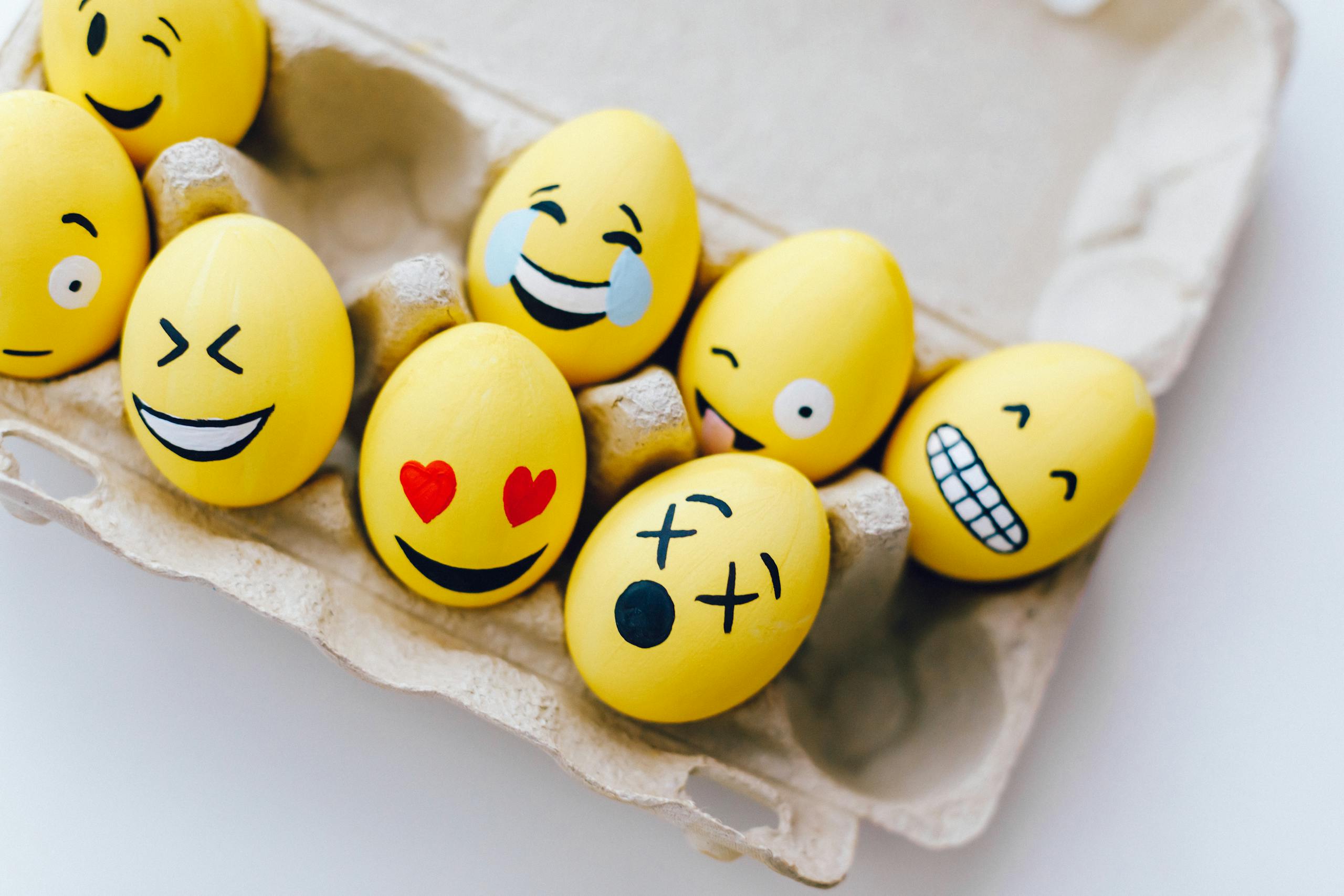
Emojis are usually associated with casual texting, social media, and friendly online chats—but new research shows they are also quietly appearing in an unexpected place: electronic health records. A large study from the University of Michigan has revealed that emojis are being used, albeit sparingly, in real clinical documentation sent between healthcare teams and patients. While the numbers are small, the trend is growing and raises important questions about communication, clarity, and professionalism in modern medicine.
A Massive Analysis of Medical Notes
The research examined an enormous dataset: 218.1 million clinical notes drawn from the electronic health records of 1.6 million patients. These records spanned a five-year period from 2020 through 2025 and came from a large academic health system in the United States.
Within this mountain of clinical text, researchers identified 4,162 notes that contained emojis, representing a tiny fraction of all records. However, within those notes, they found 372 distinct emojis, showing that clinicians were not just repeating the same symbol but using a wide variety of them.
The study was published in JAMA Network Open in January 2026 and represents one of the most detailed looks yet at emoji usage in formal medical documentation.
Emoji Use Is Rare—but Clearly Increasing
Even with millions of notes reviewed, emoji use remained uncommon overall. For most of the study period—from 2020 through 2024—the rate stayed fairly flat at about 1.4 emoji-containing notes per 100,000 clinical notes.
That changed in 2025. By the third quarter of that year, the rate jumped to 10.7 emoji-containing notes per 100,000, indicating a noticeable upward trend. While still rare, the increase suggests that emojis are becoming more accepted—or at least more frequently used—in certain types of healthcare communication.
Where Emojis Show Up Most Often
Not all medical notes are created equal, and emojis were far more likely to appear in some types of documentation than others. The majority were found in short, patient-facing messages, especially those sent through the health system’s patient portal.
The most common locations for emoji use included:
- Portal messages sent from clinical teams to patients or families
- Telephone encounter notes
- Encounter summaries
- Progress notes
- Patient instructions
Portal messages alone accounted for roughly 35–36% of all emoji-containing notes. This makes sense, as these messages often have a more conversational tone compared to traditional medical documentation.
Importantly, the patient portal used in this health system does not allow patients to add emojis directly. As a result, most emojis originated from clinicians. The small number of patient-originating emojis appeared when clinicians copied content from emails or text messages into the medical record.
What Kinds of Emojis Are Being Used?
When researchers categorized the emojis, clear patterns emerged. The most common group by far was smileys and emotional expressions, making up 58.5% of all emoji use. These were followed by:
- Objects at 21.2%
- People and body emojis at 17.6%
Other categories—such as animals, food, travel, and symbols—appeared much less frequently.
The single most commonly used emoji was the smiling face with smiling eyes, which appeared 1,772 times. After that came more practical symbols, including the telephone receiver emoji (used 544 times) and the calendar emoji (used 429 times). Interestingly, the hospital building emoji ranked much lower, coming in at 30th place with just 30 uses.
Emojis Rarely Replace Words
One concern researchers examined was whether emojis were being used as substitutes for medical terminology. The answer was largely no. Only about 1% of emojis replaced a word, such as using a pill emoji instead of writing “medicine.”
In most cases, emojis were used for emphasis, tone, or visual reinforcement, rather than to convey critical medical information. They often appeared at the end of sentences or alongside text, functioning more like punctuation or emotional cues than language replacements.
Age Patterns Raise Interesting Questions
Emoji use appeared across all patient age groups, but two stood out in particular. The highest usage occurred in records for patients aged 10–19, followed closely by those aged 70–79.
This finding is especially intriguing because emoji interpretation can vary significantly by age. Younger patients may be highly fluent in emoji language, while older adults may interpret symbols differently—or misunderstand them altogether. This raises concerns about potential miscommunication, especially when emojis are used in healthcare settings where clarity is essential.
Why Emojis in Medical Records Matter
At first glance, a smiley face in a patient message might seem harmless—or even friendly. But electronic health records are legal documents, used not only for care coordination but also for billing, quality measurement, and sometimes legal review.
Emojis can introduce ambiguity, since their meaning is not always universal. A symbol meant to convey reassurance might be interpreted as dismissive, confusing, or unprofessional by another reader. Cultural differences, generational gaps, and accessibility issues all play a role in how emojis are understood.
Because of this, researchers recommend that healthcare institutions develop clear guidelines around emoji use. Even though their presence is limited, the trend suggests emojis are not going away.
Measuring Emojis Is Surprisingly Hard
One unexpected challenge highlighted by the study is that emojis are difficult to track and measure. Different operating systems render emojis differently, and some symbols can be represented by multiple Unicode characters. This makes large-scale analysis more complex than it might appear.
Developing better tools to detect and analyze emoji use is a necessary first step before researchers can fully understand their impact on patient comprehension, trust, and outcomes.
The Bigger Picture of Digital Health Communication
This study fits into a broader shift toward digital, conversational healthcare communication. Patient portals, secure messaging, and telehealth visits have changed how clinicians and patients interact. Emojis may feel natural in these environments, especially when clinicians want to appear approachable or empathetic.
However, medicine has long relied on precision and standardization, and emojis challenge that tradition. Balancing warmth with clarity is now an active area of discussion in healthcare communication research.
What Comes Next
The researchers emphasize that emoji use is still limited but growing. Future studies will need to explore whether emojis improve patient engagement or whether they risk misunderstanding and reduced professionalism. Understanding when emojis help—and when they harm—will be critical as digital communication continues to evolve.
For now, emojis in medical records remain a small but fascinating signal of how healthcare is adapting to modern communication habits.
Research paper: https://jamanetwork.com/journals/jamanetworkopen/fullarticle/2843883