Prenatal and Early-Life Air Pollution Exposure May Shape Childhood Blood Pressure Patterns
A growing body of research suggests that the foundations of long-term health are laid much earlier than we once thought. A new study from the Environmental influences on Child Health Outcomes (ECHO) Program adds to this understanding by showing that exposure to air pollution before birth and in early childhood may influence blood pressure levels later in childhood.
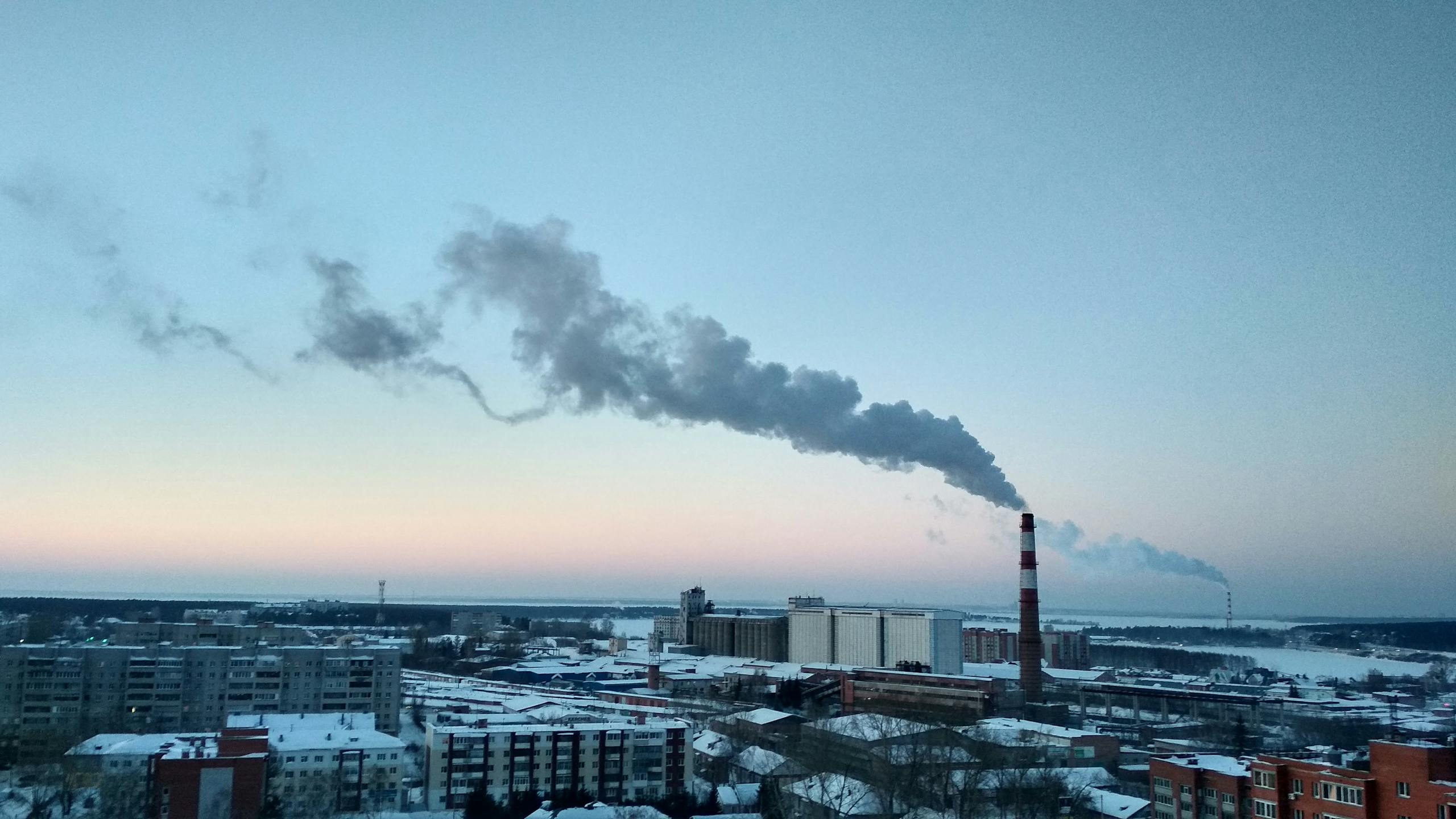
The research focuses on two common outdoor air pollutants: fine particulate matter (PM2.5) and nitrogen dioxide (NO₂). These pollutants are widespread, largely produced by vehicles, power plants, and industrial activity, and are already known to affect adult cardiovascular health. What has been less clear is how early exposure to these pollutants might affect children as they grow. This large, multi-site U.S. study helps fill that gap.
Why Childhood Blood Pressure Matters
High blood pressure is no longer a problem limited to adults. Over the last two decades, childhood hypertension has increased by nearly 80% worldwide, with especially sharp rises in countries where childhood obesity is more common, including the United States. Elevated blood pressure in children is concerning because it is linked to long-term risks such as heart disease, stroke, and impaired kidney function later in life.
Researchers increasingly recognize that adult hypertension often has roots in childhood. That idea led the ECHO research team to ask a key question: could exposure to outdoor air pollution during pregnancy and early life influence blood pressure patterns years later?
Understanding the Pollutants Studied
The study examined two specific air pollutants:
- PM2.5, or fine particulate matter, consists of tiny particles small enough to penetrate deep into the lungs and even enter the bloodstream.
- NO₂, or nitrogen dioxide, is a gas commonly associated with traffic emissions and urban air pollution.
Both pollutants are regulated in many countries, but they are still present at low to moderate levels in most urban and suburban environments.
A Large, Nationwide Study Design
One of the strengths of this research is its scale. The investigators analyzed data from 4,863 children between the ages of 5 and 12, drawn from 20 different ECHO cohort study sites across the United States. This wide geographic coverage helped reduce the limitations seen in earlier studies that focused on only one city or region.
To estimate pollution exposure, researchers looked at outdoor air quality at each child’s home address. They assessed exposure during:
- Each trimester of pregnancy
- The entire pregnancy period
- The child’s first two years of life
Children’s blood pressure was measured during study visits and then compared with standardized values for children of the same age, sex, and height. Blood pressure was considered high if it fell within the top 10% of expected values for those characteristics.
Key Findings on PM2.5 Exposure
The results showed a consistent pattern when it came to fine particulate matter. Children exposed to higher levels of PM2.5 before and shortly after birth tended to have higher blood pressure on average between ages 5 and 12.
One particularly important finding involved timing. Exposure during the first trimester of pregnancy stood out as a sensitive period. Higher PM2.5 levels during early pregnancy were associated with:
- Higher systolic blood pressure in childhood
- A greater likelihood of having high blood pressure later on
This suggests that early pregnancy may be a critical window when environmental exposures can influence how the cardiovascular system develops.
Unexpected Results for Nitrogen Dioxide
The findings for nitrogen dioxide were more surprising. Higher maternal exposure to NO₂ during pregnancy was associated with slightly lower blood pressure in children, rather than higher. This effect was most noticeable during mid- to late pregnancy, especially the second trimester.
Importantly, NO₂ exposure was not linked to an increased risk of high blood pressure in childhood. Researchers emphasized that this result was unexpected and should be interpreted cautiously. It does not suggest that NO₂ is beneficial, but rather that other factors may be influencing the observed relationship, or that NO₂ may be acting as a marker for different environmental conditions.
Why Timing of Exposure Matters
A central takeaway from the study is that when exposure occurs may be just as important as how much exposure occurs. Early pregnancy is a period of rapid development for organs and regulatory systems, including those involved in blood pressure control. Disruptions during this time could have lasting effects that only become visible years later.
The findings also suggest that postnatal exposure during the first two years of life may continue to play a role, reinforcing the idea that early childhood is another sensitive window for environmental influences.
Pollution Levels Were Relatively Low
Another notable aspect of the study is that the pollution levels observed were relatively low to moderate by current regulatory standards. Average PM2.5 concentrations ranged from about 7.6 to 7.9 micrograms per cubic meter, while NO₂ levels averaged around 8.1 to 8.8 parts per billion.
This means the associations were seen even at pollution levels many people would consider acceptable, raising questions about whether current standards fully protect children’s long-term cardiovascular health.
How This Study Fits Into Broader Research
In adults, air pollution is already well established as a risk factor for cardiovascular disease. PM2.5 exposure, in particular, has been linked to inflammation, oxidative stress, and changes in blood vessel function. This study adds to growing evidence that these effects may begin much earlier in life.
Researchers also point to potential mechanisms such as epigenetic changes, where early environmental exposures influence how genes are expressed without altering the DNA itself. These changes could affect blood pressure regulation long after the exposure has ended.
What This Means for Public Health
While this study does not prove that air pollution directly causes higher blood pressure in children, it provides strong evidence of an association. The findings highlight the importance of:
- Protecting pregnant individuals and young children from air pollution
- Considering early life exposure in policies aimed at preventing cardiovascular disease
- Continuing research to understand why different pollutants may have different effects
The unexpected findings related to NO₂ also underscore the need for further investigation, including the role of related factors such as traffic noise or other environmental exposures.
Looking Ahead
The ECHO Program continues to follow children over time, which may allow future studies to explore whether these blood pressure differences persist into adolescence and adulthood. Understanding how early environmental exposures shape long-term health could play a key role in preventing chronic diseases before they start.
Research Paper:
Yu Ni et al., Pre- and postnatal exposure to PM2.5 and NO2 and blood pressure in children: Results from the ECHO Cohort, Environmental Research (2026).
https://doi.org/10.1016/j.envres.2025.123529