Faking a Ketogenic Diet May Still Get Results in Fruit Flies
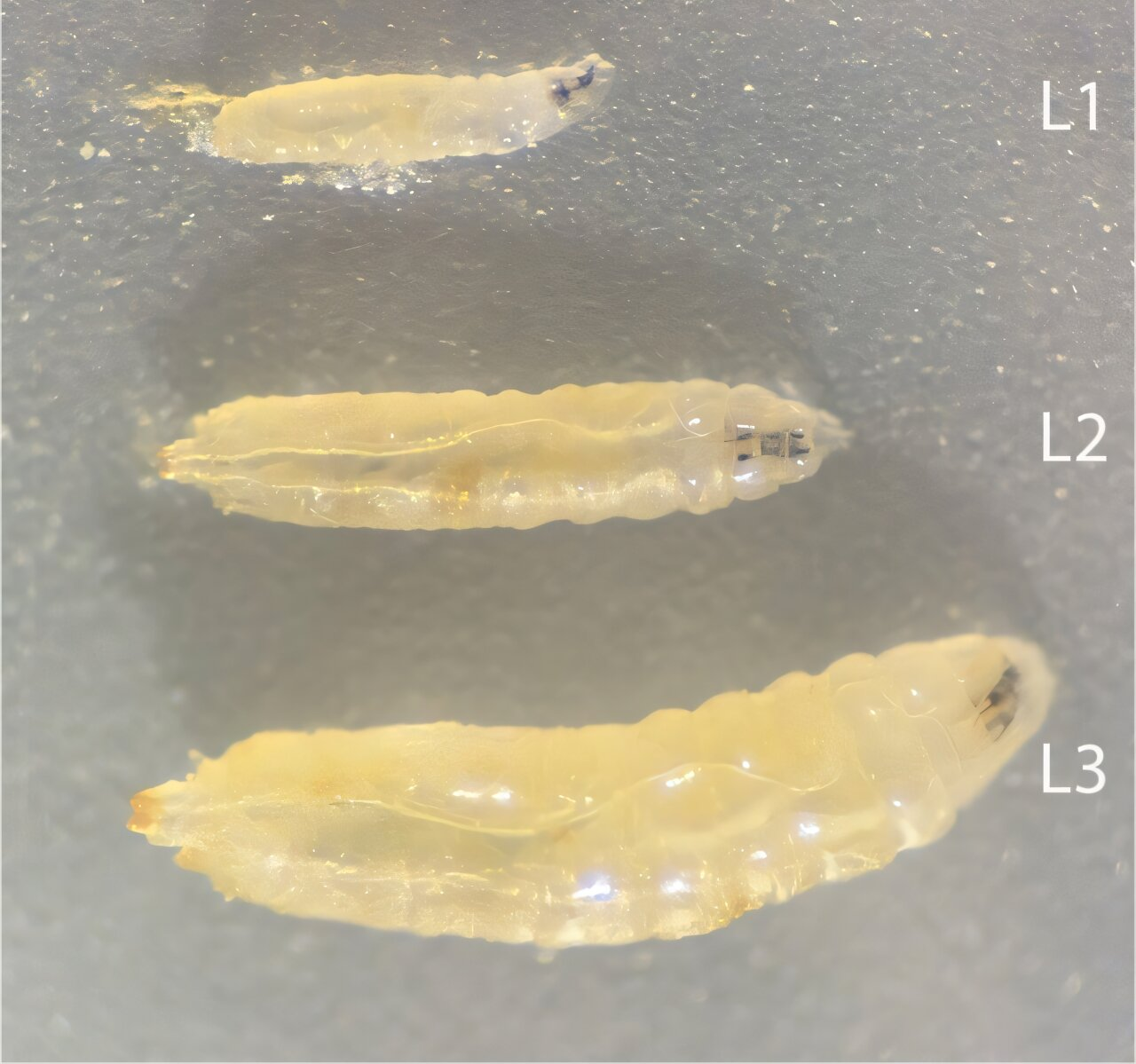
Scientists have long been fascinated by the ketogenic diet and its effects on metabolism, aging, and disease. Now, a new study suggests that it might be possible to mimic some benefits of a ketogenic diet without actually following one—at least in fruit flies. Researchers from the University of Connecticut and Mount Holyoke College report that adding ketone bodies to a normal, high-carbohydrate diet can extend lifespan and slow development, but it also comes with a notable downside: reduced fertility.
This research, published in the journal Developmental Biology, offers fresh insight into how ketone bodies influence metabolism and raises intriguing questions about whether similar strategies could someday work in other animals, including humans.
Understanding Ketogenic Diets and Ketone Bodies
A ketogenic (or keto) diet is defined by high fat and very low carbohydrate intake. When carbohydrates are scarce, the body shifts its energy source from glucose to fats, producing molecules called ketone bodies in the liver. These ketone bodies then circulate in the bloodstream and serve as an alternative fuel for cells.
In humans, ketogenic diets are sometimes prescribed for epilepsy and diabetes management, and they are widely popular for weight loss. However, they are notoriously difficult to maintain long-term because they severely restrict fruits, grains, vegetables, and sugars.
Animal studies have shown that ketogenic diets can extend lifespan, particularly in mice, but only when followed for long periods equivalent to many human years. Until now, scientists have not fully understood why these diets produce such effects or whether ketone bodies themselves play a direct role.
Why Fruit Flies Are Used in This Research
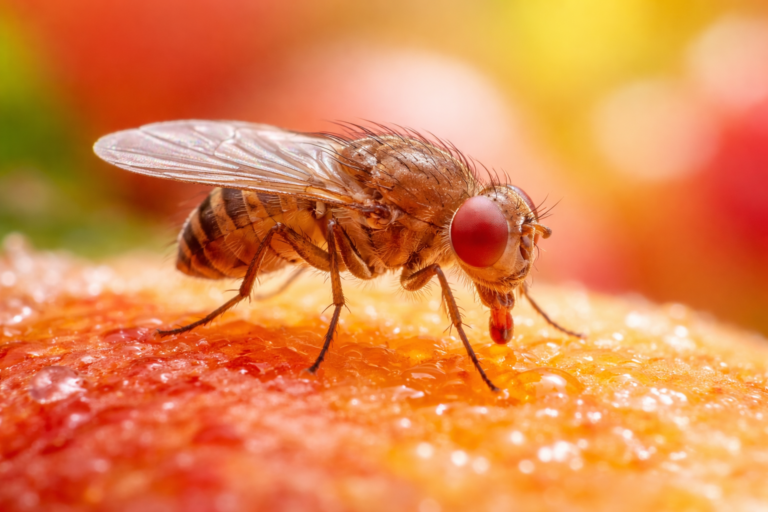
The organism at the center of this study is Drosophila melanogaster, commonly known as the fruit fly. Fruit flies are a favorite model in biology because they are easy to study, have short lifespans, and share many fundamental metabolic and genetic pathways with humans.
The researchers focused on the third larval developmental stage, known as L3, during which larvae are about 5 millimeters long and undergoing intense growth and metabolic activity. Changes during this stage can have lasting effects on adult health, lifespan, and reproduction.
Student Discoveries Sparked the Study
This research began with observations made independently by two students. Derek Lee, then a student at UConn, noticed that fruit fly colonies grew more slowly when their diet included ketone bodies. Around the same time, Fangyi Zhai, an undergraduate at Mount Holyoke College, found that flies fed ketone bodies showed higher levels of an active protein linked to cellular recycling.
Their faculty mentors—Geoffrey Tanner, a behavioral neurobiologist at UConn, and Craig Woodard, a developmental biologist and biochemist at Mount Holyoke—recognized the connection. They decided to collaborate and formally investigate how ketone bodies affect fruit fly development, fertility, and metabolism.
How the Experiment Was Designed
Instead of putting fruit flies on a low-carbohydrate diet, the researchers took a different approach. They fed the flies their normal high-carbohydrate diet, but supplemented it with ketone bodies. This allowed the flies to consume carbohydrates freely while also having direct access to ketone bodies as an energy source.
Importantly, the flies were not calorie-restricted, starved, or forced into intermittent fasting. They were allowed to eat as much as they wanted, making the results particularly interesting because the metabolic effects occurred without reducing food intake.
Key Findings: Slower Development and Fewer Offspring
The results were striking. Female fruit flies on the ketone-supplemented diet laid about 14 percent fewer eggs than those on the standard diet. This clearly showed a reduction in fecundity, meaning reproductive output was lower.
The effects extended beyond reproduction. Larvae fed ketone bodies developed more slowly than normal, and fewer larvae successfully matured into adults. This delay in development mirrors what scientists often see when organisms experience metabolic stress or shifts in energy usage.
Changes Inside the Fly’s Metabolism
One of the most important findings came from examining the flies’ fat bodies, an organ that functions somewhat like the liver and fat tissue in humans. In these fat bodies, researchers detected higher levels of the active form of a protein involved in autophagy.
Autophagy is a process where cells recycle old or damaged components to generate new building blocks and energy. It is often associated with longevity, stress resistance, and metabolic efficiency. The increased activity of this protein strongly suggests that ketone bodies were altering the flies’ metabolism at a fundamental level.
Why Ketone Bodies May Act as Signals, Not Just Fuel
One of the most intriguing implications of this study is that ketone bodies may function as metabolic signals, not just alternative energy sources. Even though the flies were still eating carbohydrates, the presence of ketone bodies appeared to trigger changes typically associated with ketogenic diets.
According to the researchers, this means the body may be responding to ketone bodies as a biochemical message, telling cells to shift how they grow, recycle components, and allocate energy. This could help explain why ketogenic diets affect lifespan and development even when calorie intake remains unchanged.
What This Could Mean Beyond Fruit Flies
While fruit flies are not humans, the findings raise interesting possibilities. If ketone bodies alone can drive certain metabolic changes, it might be possible in the future to capture some benefits of ketogenic diets without strict carb restriction.
This could be especially useful for people who rely on ketogenic diets for medical reasons but struggle with long-term adherence. However, the study also highlights a clear trade-off: reduced fertility. The researchers caution that women trying to conceive may want to avoid ketogenic diets or ketone supplementation, given the reproductive effects observed.
What Comes Next for This Research
The research team plans to repeat the experiment and conduct a more detailed analysis of protein activity and metabolic pathways. A deeper look could reveal exactly how ketone bodies influence autophagy, growth, and lifespan at the molecular level.
Understanding these mechanisms could eventually help scientists design less restrictive dietary interventions that deliver health benefits while minimizing risks.
A Broader Look at Ketogenic Diet Research
This study fits into a growing body of research showing that diet composition, not just calorie count, plays a major role in health and aging. Ketogenic diets, fasting, and other metabolic interventions often activate similar pathways related to energy sensing and cellular repair.
However, as this fruit fly study shows, every benefit has a cost, and manipulating metabolism can affect reproduction, growth, and development in complex ways.
Research paper:
https://doi.org/10.1016/j.ydbio.2025.07.020