Maternal Gut Microbiome Compound May Hold the Key to Preventing Fatty Liver Disease in Children
Children born to mothers who consume a high-fat, high-sugar diet during pregnancy and breastfeeding are known to face a significantly higher risk of developing fatty liver disease later in life. This risk has become increasingly concerning as childhood metabolic disorders continue to rise worldwide. Now, new research from the University of Oklahoma suggests there may be a promising way to reduce that risk—by targeting the maternal gut microbiome during pregnancy and early life.
The study, published in the journal eBioMedicine, focuses on a naturally occurring compound called indole, which is produced by healthy gut bacteria. Researchers found that supplementing pregnant and lactating mice with indole dramatically improved liver health and metabolic outcomes in their offspring, even when those offspring were later exposed to an unhealthy diet.
Understanding the Link Between Maternal Diet and Liver Disease
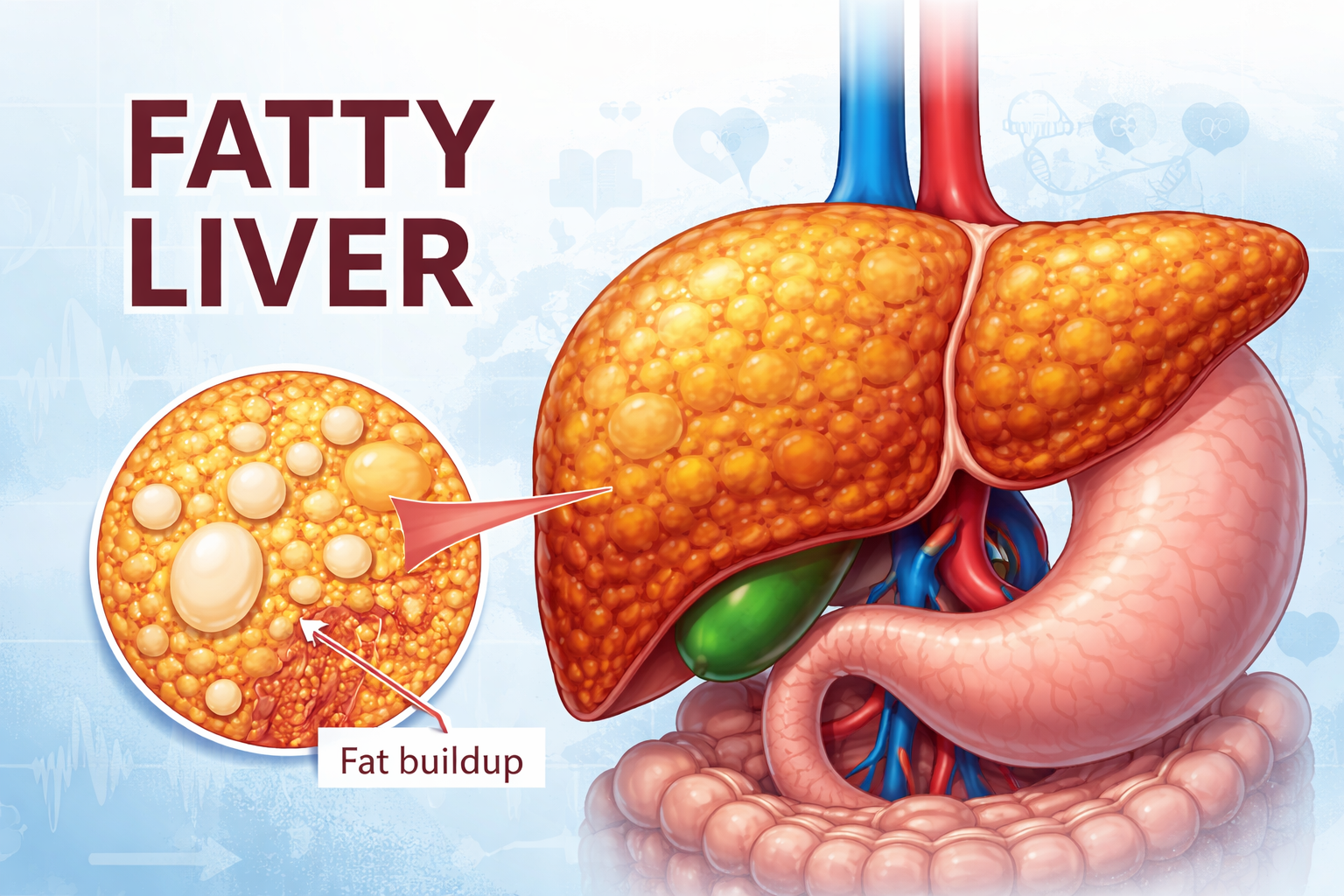
Fatty liver disease, now commonly referred to as metabolic dysfunction–associated steatotic liver disease (MASLD), occurs when excess fat accumulates in the liver and disrupts normal metabolic function. While MASLD affects adults and children alike, it tends to progress faster and more quietly in children, often remaining undiagnosed until significant damage has already occurred.
Maternal nutrition plays a major role in shaping a child’s long-term metabolic health. A diet high in fats and sugars during pregnancy can influence not only fetal development but also the composition of the infant’s gut microbiome, which is largely inherited from the mother. This early microbial environment can have lasting effects on metabolism, immune function, and liver health.
What Is Indole and Why Does It Matter?
Indole is a compound produced when beneficial gut bacteria break down tryptophan, an amino acid found in foods like turkey, eggs, nuts, and seeds. Indole has already been linked to anti-inflammatory effects, improved gut barrier function, and better metabolic regulation in previous research.
In this study, scientists explored whether indole could counteract the negative effects of a poor maternal diet by improving the gut microbiome during pregnancy and breastfeeding.
How the Study Was Conducted
Researchers fed female mice a Western-style diet rich in fat and sugar throughout pregnancy and lactation. One group of these mice received indole supplementation, while the control group did not. After weaning, all offspring were initially placed on a normal diet. Later in life, the offspring were again exposed to a Western-style diet to intentionally trigger fatty liver disease.
This design allowed scientists to determine whether early-life exposure to indole could provide long-term protection, even when later dietary conditions were unfavorable.
Key Findings From the Research
The results were striking. Offspring born to mothers who received indole showed significantly healthier livers as they aged. These mice accumulated less fat in the liver, gained less body weight, and maintained lower blood sugar levels compared to offspring whose mothers did not receive indole.
At a cellular level, researchers observed smaller fat cells, improved metabolic markers, and reduced signs of liver stress. Importantly, these benefits persisted even after the offspring were challenged with a high-fat, high-sugar diet later in life.
Protective Pathways and Lipid Changes
One of the most important discoveries involved the activation of the aryl hydrocarbon receptor (AHR), a signaling pathway linked to metabolic regulation and immune balance. Indole activated this pathway in the gut, which appeared to trigger protective effects throughout the body, including the liver.
The study also examined ceramides, a class of fat molecules known to influence insulin resistance and liver disease. Harmful long-chain ceramides, which are associated with metabolic damage, did not increase in indole-exposed offspring. Meanwhile, beneficial very long-chain ceramides increased, suggesting a healthier lipid profile within the liver.
Evidence That the Microbiome Drives Protection
To confirm that these benefits were truly driven by changes in the gut microbiome, researchers conducted fecal microbiota transfer experiments. Gut bacteria from protected offspring were transferred to other mice that had not been exposed to indole.
Remarkably, these recipient mice also showed reduced liver damage and improved metabolic health. This finding strongly supports the idea that microbiome reprogramming, rather than indole alone, plays a central role in preventing disease.
Why This Matters for Pediatric Health
MASLD is already alarmingly common. Current estimates suggest it affects around 30% of children with obesity and about 10% of children without obesity. Despite its prevalence, treatment options are extremely limited. Apart from weight loss and lifestyle changes, there are no approved medications specifically for pediatric MASLD once the disease is established.
This research highlights the potential of early prevention, rather than treatment after damage has occurred. Improving the mother’s microbiome during pregnancy could set the stage for better liver and metabolic health decades later.
Broader Context: The Maternal Microbiome and Development
The maternal microbiome is increasingly recognized as a powerful regulator of fetal and infant health. It influences immune system development, brain signaling, nutrient absorption, and metabolic programming. Compounds like indole act as chemical messengers, allowing gut bacteria to communicate with host tissues far beyond the digestive tract.
Other studies have already linked microbiome-derived metabolites to reduced inflammation, improved insulin sensitivity, and stronger gut barrier integrity. This new research adds liver disease prevention to that growing list.
What This Does and Does Not Mean Yet
It is important to note that this study was conducted in animal models, and direct application to humans will require further research. Scientists still need to determine safe dosages, timing, and whether indole supplementation—or dietary or probiotic strategies that increase indole production—would have similar effects in people.
However, the findings open up exciting possibilities. Instead of trying to reverse liver disease after it develops, future strategies may focus on supporting maternal gut health during pregnancy as a proactive measure.
Looking Ahead
As childhood metabolic disorders continue to rise globally, research like this offers a hopeful direction. By understanding how diet, microbiomes, and microbial compounds interact during early development, scientists may be able to reduce disease risk before it ever begins.
For now, the study reinforces a simple but powerful idea: what happens in the gut during pregnancy doesn’t just affect the mother—it can shape a child’s health for life.
Research paper:
https://www.sciencedirect.com/science/article/pii/S2352396425005481