Sudden Cardiac Arrest in Athletes Reveals How Hidden Heart Conditions Can Turn Deadly During Sports
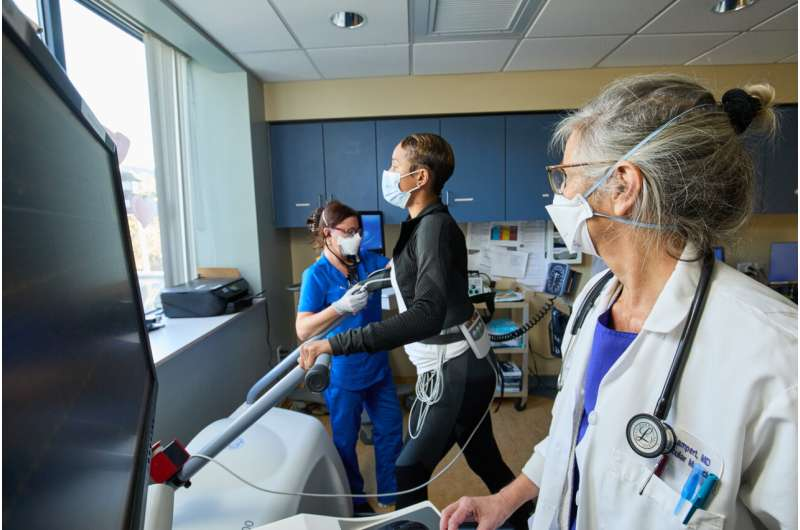
Sudden cardiac arrest in athletes is one of those medical events that feels shocking precisely because it strikes people we associate with peak physical health. Though these incidents are rare, they often happen in public, high-pressure environments like stadiums, tracks, or gymnasiums, which makes them especially visible and deeply unsettling. A recent comprehensive medical review sheds new light on why these events happen, how they can be prevented, and how athletes and clinicians can make informed decisions about returning to sports after a diagnosis.
At its core, sudden cardiac arrest (SCA) occurs when the heart unexpectedly stops pumping blood due to a dangerous electrical disturbance. Unlike a heart attack, which is usually caused by blocked blood flow, SCA is primarily an electrical failure of the heart. In athletes, it is often the very first sign of an undiagnosed heart condition, particularly in younger individuals who appear completely healthy before collapsing.
Why sudden cardiac arrest happens in athletes
One of the key takeaways from the review is that most cases of SCA in athletes are linked to hidden cardiovascular conditions that were present long before symptoms appeared. Among the most common causes are inherited structural heart diseases, especially hypertrophic cardiomyopathy, where the heart muscle becomes abnormally thick. This thickening can interfere with normal electrical signaling and blood flow, particularly during intense exercise.
Electrical disorders of the heart are another major contributor. Conditions such as Long QT syndrome affect how electrical signals move through the heart muscle, increasing the risk of fatal arrhythmias during physical exertion. In some cases, athletes may also have congenital abnormalities of the coronary arteries, meaning the vessels supplying blood to the heart developed abnormally from birth.
What makes these conditions especially dangerous is how difficult they can be to detect. Many athletes feel no warning signs, experience no chest pain, and pass routine physical exams without issue. For some, collapse during training or competition is the first and only signal that something is wrong.
How common is sudden cardiac arrest in sports?
While SCA in athletes attracts intense media attention, it remains statistically rare. Still, rarity does not mean insignificance. Even a small number of cases can have enormous emotional and societal impact, especially when young athletes are involved. The review emphasizes that understanding true incidence is challenging because studies use different definitions and reporting systems, but the overall consensus is that SCA occurs infrequently yet unpredictably.
Importantly, intense physical activity does not usually cause heart disease on its own. Instead, exercise acts as a trigger, uncovering underlying problems that might otherwise remain silent for years.
The role of heart screening in prevention
Preventing sudden cardiac arrest begins with primary prevention, which focuses on identifying heart conditions before a catastrophic event occurs. Pre-participation cardiovascular screening is one of the most discussed strategies in sports medicine today. This typically includes a detailed medical history, physical examination, and in many cases, an electrocardiogram (EKG).
EKG screening has gained wider adoption over the years. Roughly half of NCAA athletic programs now include it as part of their clearance process, and some institutions, including Yale, use it routinely. An EKG can reveal abnormal heart rhythms or patterns that suggest structural or electrical disease.
However, the review stresses that an EKG alone is not enough. Accurate results depend heavily on expert interpretation and appropriate follow-up testing, such as echocardiography or genetic evaluation. False positives can cause unnecessary anxiety, while false negatives can provide false reassurance. Screening is best viewed as a tool within a larger, carefully managed clinical system.
What happens when cardiac arrest occurs
Even with the best screening programs, not all cases of SCA can be prevented. This is where secondary prevention becomes critical. Secondary prevention focuses on what happens immediately after cardiac arrest, with the goal of preventing sudden cardiac death.
The most effective strategy is having a clear, well-practiced emergency action plan at every athletic venue. This plan should spell out who initiates CPR, who retrieves and uses the automated external defibrillator (AED), and how emergency medical services are contacted. Survival rates improve dramatically when CPR is started quickly and an AED is used within minutes.
The review reinforces that preparation saves lives. Athletic programs that regularly rehearse emergency scenarios and ensure easy access to AEDs are far better equipped to respond effectively when seconds matter most.
Rethinking return-to-play decisions
Historically, athletes diagnosed with heart disease were often automatically barred from competition. These decisions were based on rigid guidelines designed to eliminate risk entirely. While well-intentioned, this approach often ignored individual circumstances, treatment options, and personal values.
More recent research, including studies conducted by the review’s lead author, suggests that this blanket approach may be overly restrictive. Some athletes, when properly treated and closely monitored, have been able to return to competitive sports without an increased risk of adverse outcomes.
This shift has led to a growing emphasis on shared decision-making. Instead of issuing automatic bans, clinicians now work with athletes to discuss risks, benefits, treatment options, and personal goals. The athlete’s tolerance for risk and quality of life considerations play an important role alongside medical evidence.
Shared decision-making does not mean ignoring danger. Rather, it represents a more nuanced and individualized approach that respects both science and autonomy.
Gaps in knowledge and future research
Despite decades of study, sudden cardiac arrest in athletes remains an area with significant knowledge gaps. Less common inherited heart conditions are still poorly understood, and long-term outcome data for athletes who return to play after diagnosis is limited. The review highlights the need for continued research to refine screening methods, improve emergency preparedness, and develop clearer guidance for complex cases.
As sports participation grows worldwide and competitive demands increase, understanding how to balance safety with athletic opportunity will remain a pressing challenge.
Additional context: why athletes are not immune
A common misconception is that elite fitness protects against heart disease. While regular exercise is overwhelmingly beneficial for cardiovascular health, it does not eliminate genetic or congenital risks. In fact, intense training can sometimes expose underlying vulnerabilities rather than create them.
This reality underscores why education is so important. Coaches, athletes, parents, and medical professionals all play a role in recognizing warning signs, supporting screening efforts, and advocating for proper emergency preparedness.
A balanced path forward
Sudden cardiac arrest in athletes sits at the intersection of medicine, ethics, and sport. The latest medical review brings together fragmented research to offer clearer guidance on prevention, response, and long-term decision-making. By combining early detection, rapid emergency response, and individualized care, the goal is not only to save lives but also to support athletes in navigating difficult choices about their futures.
Research paper reference:
https://www.nejm.org/doi/10.1056/NEJMra2312555