Twitter Data Shows a Clear Partisan Divide in How People Understand Why Pollen Seasons Are Getting Worse
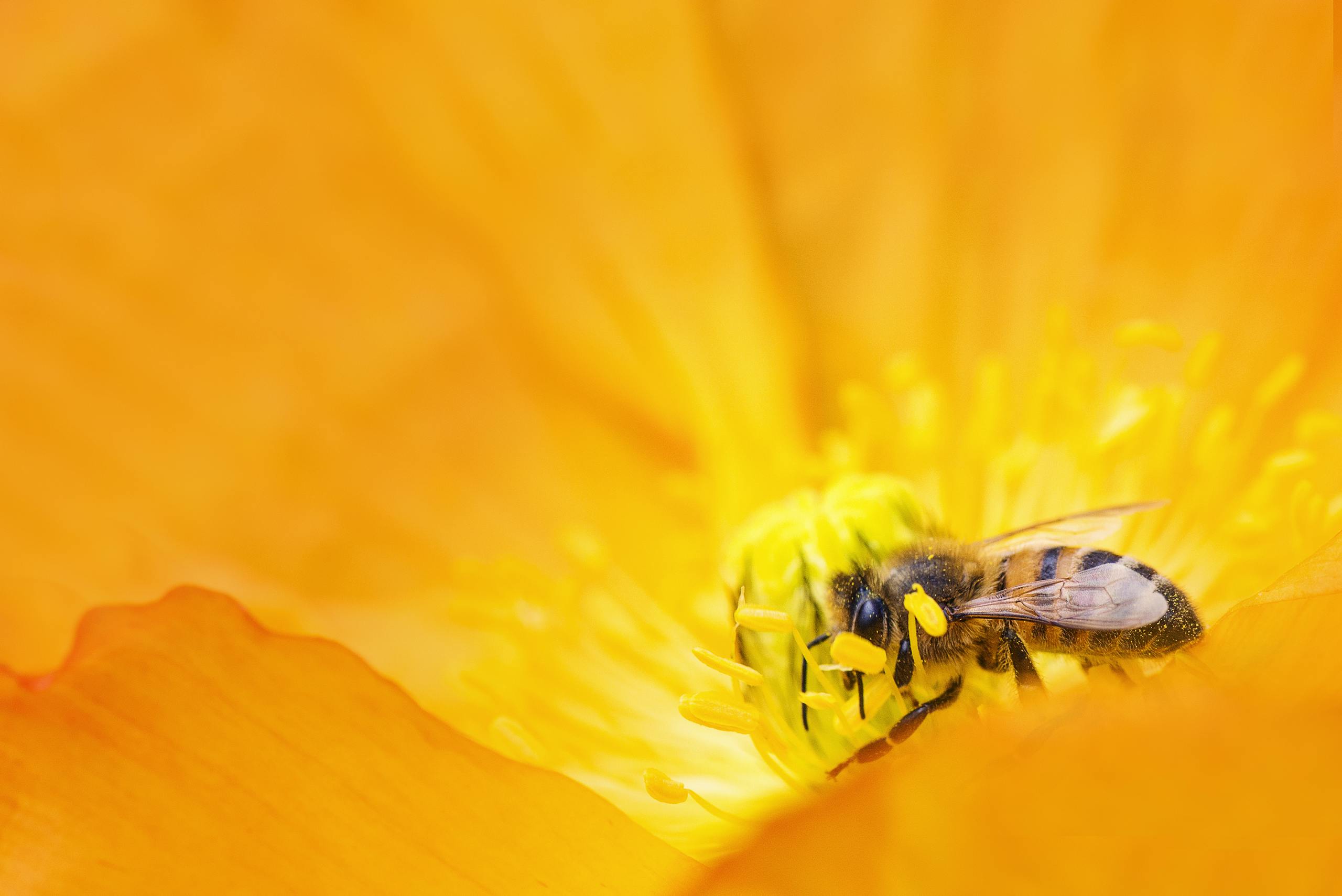
A large new study from the University of Michigan takes a close look at something many people feel every year but may not fully think about: pollen season. By analyzing nearly 200,000 Twitter posts shared in the United States between 2012 and 2022, researchers found two strong and consistent patterns. First, people are surprisingly good at recognizing when pollen levels peak. Second, there is a clear political divide in how people explain why pollen seasons are becoming longer and more intense.
The research, published in the journal PNAS Nexus, explores how everyday experiences like sneezing, watery eyes, and pollen-covered cars shape public understanding of environmental change. The study also highlights how political ideology influences whether people connect these experiences to climate change or explain them in other ways.
People Are Accurate at Sensing Pollen Peaks
One of the most striking findings from the study is just how closely social media activity mirrors real-world pollen data. When researchers compared the number of pollen-related tweets to pollen concentration measurements from monitoring stations across the U.S., they found a strong correlation. In simple terms, when pollen counts went up, tweets about pollen increased too.
This pattern held true year after year. Peaks in online discussion often lined up almost exactly with the highest pollen levels recorded by official counters. According to the researchers, this shows that people act as reliable “social sensors” of environmental conditions, even without scientific instruments.
Unlike temperature, which changes day to day and can be hard to remember precisely, pollen follows a seasonal rhythm. People tend to remember especially bad pollen years, such as record-breaking pollen events in cities like Atlanta. These annual patterns make pollen a particularly memorable and noticeable signal of environmental change.
A Growing Health and Quality-of-Life Issue
The study places these online conversations within a larger environmental context. As the planet warms, pollen seasons across much of the United States are starting earlier and lasting longer. Warmer temperatures and higher carbon dioxide levels allow plants to grow more aggressively and produce more pollen.
For people with seasonal allergies, this means longer periods of sneezing, congestion, itchy eyes, and fatigue. More severe reactions can also occur, sometimes leading to emergency room visits or hospitalizations. Previous University of Michigan research has even linked high pollen counts to increased suicide risk, highlighting how deeply pollen exposure can affect both physical and mental health.
Beyond health concerns, pollen also affects daily life in practical ways. Many people complain about having to clean pollen off cars, windows, patio furniture, and outdoor equipment more often. These frustrations showed up frequently in the tweets analyzed, regardless of political affiliation.
Where Politics Enters the Conversation
While people across the political spectrum notice changes in pollen seasons, they do not explain those changes in the same way. The researchers analyzed tweet content and estimated users’ political leanings based on the accounts they followed. This allowed them to place users on a liberal-to-conservative gradient.
The results showed a clear divide. Liberal users were more likely to explicitly attribute worsening pollen seasons to climate change. Conservative users, on the other hand, were more likely to talk about pollen increases in terms of temperature changes or seasonal variability without making a direct connection to climate change as a broader phenomenon.
Importantly, conservative users were not ignoring pollen or denying that it was getting worse. In fact, they often tweeted about pollen just as frequently as liberals. The difference lay mainly in how the cause was framed, not whether the problem was acknowledged.
Who Shapes the Climate Conversation Online
The study also examined who drives different types of pollen-related discussions on Twitter. Most tweets came from everyday individuals rather than experts or institutions. However, when it came to more technical explanations linking pollen changes to climate change, scientific experts and media organizations played a much larger role.
This created what researchers described as a mostly top-down communication structure, where climate explanations flow from experts and journalists to the general public. While this approach ensures scientific accuracy, it may limit broader engagement and personal interpretation.
The researchers suggest there may be room for more bottom-up communication, where individuals connect their own experiences with pollen to climate science in their own words. Because pollen affects people so directly and personally, it may be an effective entry point for broader conversations about climate change.
Why Pollen May Be a Powerful Climate Signal
One reason pollen is so useful for communication is its intimacy. Unlike abstract measures such as average global temperature increases, pollen is something people feel in their bodies and see in their daily routines. Sneezing fits, allergy medications, and yellow dust on cars make pollen impossible to ignore.
The researchers argue that focusing on lived experiences like pollen exposure may help bridge gaps in climate understanding. Instead of talking about degrees of warming or long-term projections, conversations can center on changes people already notice year after year.
This does not mean pollen discussions automatically resolve political disagreements. However, they may create opportunities for more grounded and relatable discussions about environmental change.
How the Study Was Conducted
The dataset used in the study included over 190,000 tweets posted within the United States between 2012 and 2022. The research period ended before Twitter was rebranded as X in 2023 and before changes to data access policies limited large-scale research.
Researchers compared tweet volume to pollen concentration data, analyzed tweet content for climate-related language, and categorized tweet sources into groups such as individuals, media, scientific experts, and organizations. This multi-layered approach allowed them to track not just what people said, but who said it and how ideas spread.
The research team included scholars from the University of Michigan’s Institute for Data and AI in Society and the School for Environment and Sustainability, along with a collaborator from the University of California, Los Angeles.
What This Research Tells Us Moving Forward
This study shows that people are already paying close attention to environmental changes that affect their daily lives. Pollen seasons are not an abstract concept; they are a recurring and increasingly intense experience for millions of people.
At the same time, the research highlights how political ideology shapes interpretation, even when people observe the same phenomenon. Understanding this divide can help scientists, communicators, and policymakers think more carefully about how environmental information is shared.
Rather than relying only on top-down messaging, there may be value in encouraging people to connect their own experiences to broader scientific explanations. Pollen, with its annual rhythms and immediate effects, may be one of the most accessible ways to do that.
Research paper: https://academic.oup.com/pnasnexus/article/5/1/pgaf386/8405154