After Oregon’s 2020 Megafires, Streams Are Surprisingly Full of Fish and Amphibians
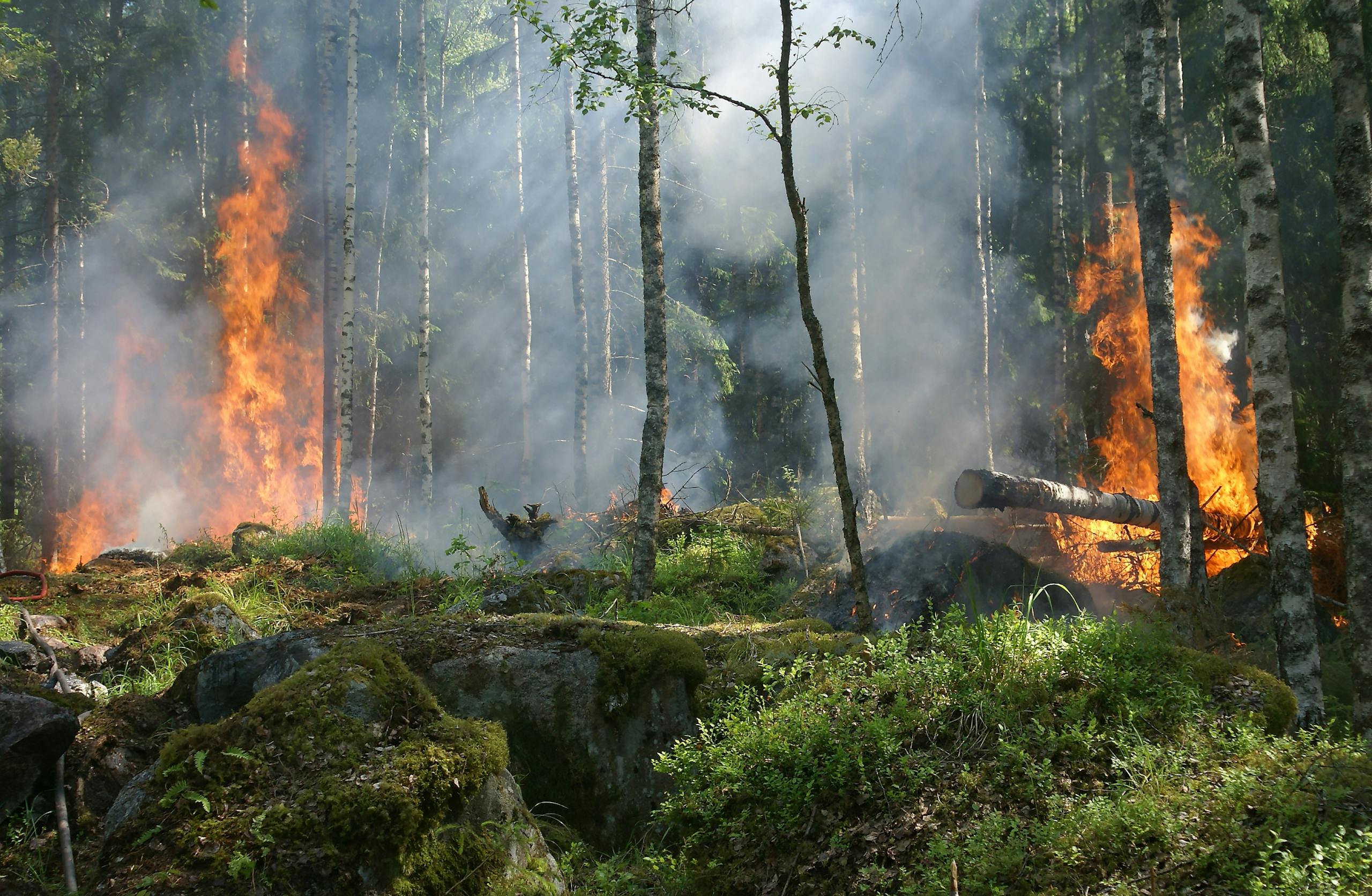
Severe wildfires are usually associated with destruction, loss of habitat, and long recovery timelines. That expectation also extends to rivers and streams flowing through burned landscapes. But new research from Oregon State University is challenging that assumption in a big way. A detailed scientific study examining watersheds affected by Oregon’s catastrophic 2020 wildfires has found that fish and amphibians are not only surviving but, in many cases, thriving.
The research focuses on streams in the Cascade Range that were impacted by the Riverside, Beachie Creek, and Holiday Farm fires, which collectively burned nearly half a million acres during Labor Day weekend in 2020. These fires were among the most intense and destructive wildfires in Oregon’s recorded history. Despite that scale of disturbance, freshwater ecosystems in the region appear far more resilient than previously thought.
A Close Look at Post-Fire Watersheds
The study examined 30 watersheds located on the western slope of the Cascade Range in Oregon. These watersheds flow through moist conifer forests and span federal, state, and private lands, giving researchers a broad view of how different management practices and burn severities interact with aquatic life.
Rather than focusing only on iconic species like salmon and trout, the researchers deliberately widened their scope. They studied entire stream vertebrate communities, including:
- Trout and other fishes
- Non-salmonid species such as dace, sculpin, and lamprey
- Amphibians like frogs and salamanders
- Crayfish, which play a crucial role in aquatic food webs
This broader approach sets the study apart from much of the existing research, which tends to focus narrowly on economically important fish species.
Fish Populations Were Higher in Heavily Burned Areas
One of the most striking findings was that total vertebrate density, total fish density, and trout density were all higher in streams draining more severely burned watersheds than in streams draining lightly burned or unburned areas.
This result runs counter to long-standing assumptions that intense wildfires inevitably degrade stream ecosystems. In this case, the researchers found no evidence that severe burning alone led to population declines.
An important factor is what didn’t happen after the fires. The watersheds studied did not experience major channel reorganization events, such as landslides or debris flows, which can dramatically alter stream structure and harm aquatic life. Without those disruptive events, physical habitat remained largely intact.
As long as stream structure and food availability were maintained, vertebrate populations appeared buffered from the effects of even high-severity fire.
Amphibians and Crayfish Show Strong Resilience
While fish populations increased in some burned watersheds, other stream organisms showed remarkable stability. The study found that sculpin, amphibian, and crayfish densities were not significantly influenced by burn severity.
This suggests that many aquatic species are more adaptable to post-fire conditions than previously believed. Amphibians, often considered sensitive indicators of environmental change, were still present across burned watersheds three years after the fires.
Crayfish persistence is especially notable. As omnivorous crustaceans, they play an important role in recycling nutrients and supporting food webs. Their continued presence indicates that stream ecosystems remained functional despite large-scale forest loss in surrounding areas.
Salvage Logging Has Mixed Effects
The study also looked at how post-fire land management, particularly salvage logging and replanting, affected stream vertebrates. Here, the results were more nuanced.
In areas with higher levels of salvage harvesting and replanting, researchers observed:
- Lower frog densities, suggesting that amphibians may be more sensitive to post-fire logging activities than to fire itself
- Higher densities of young trout (less than one year old), possibly due to altered habitat conditions that favor early life stages
These findings highlight that while wildfire alone may not severely harm aquatic life, human responses after fire can influence ecological outcomes in different ways.
Why Fire Didn’t Wipe Out These Streams
Wildfire can impact freshwater ecosystems by altering stream temperature, increasing sediment runoff, and changing nutrient inputs. However, fire can also produce ecological benefits, especially when streams are not physically destabilized.
In burned watersheds:
- Loss of canopy can allow more sunlight to reach streams
- Increased sunlight can boost algae and aquatic insect production
- More food can support larger fish populations
This study suggests that fire does not automatically translate into ecological collapse. Instead, fire can reshape ecosystems in ways that sometimes favor certain species, especially when natural recovery processes are allowed to unfold.
A Changing Fire Future in the Pacific Northwest
The researchers place their findings within a broader context of climate change. Rising temperatures, shifting precipitation patterns, drier fuels, and decades of forest management have contributed to longer fire seasons and more frequent, intense wildfires across the Pacific Northwest.
Understanding how freshwater ecosystems respond to these changes is becoming increasingly important. While much research has focused on streamflow, sediment, and water temperature after fires, far less attention has been given to entire vertebrate communities.
This study helps fill that gap by showing that aquatic ecosystems may possess greater resilience to fire than land-based systems, at least under certain conditions.
Why This Research Matters
These findings have important implications for land managers, conservationists, and policymakers. If aquatic ecosystems can withstand severe fires when physical habitat remains intact, management strategies may need to shift toward:
- Protecting stream structure and riparian zones
- Limiting harmful post-fire logging practices near waterways
- Recognizing fire as a natural process rather than an ecological failure
The study also challenges the idea that all high-severity fires produce uniformly negative ecological outcomes. In freshwater systems, the reality appears far more complex.
Extra Context: Fire and Freshwater Ecosystems
Freshwater ecosystems occupy a small fraction of the landscape but support a disproportionately high level of biodiversity. Streams often serve as refuges during extreme disturbances, including fire, drought, and heat waves.
Unlike forests, streams do not burn. Their primary risks come from secondary effects, such as erosion, debris flows, and chemical changes. When those effects are limited, aquatic organisms may recover quickly or even benefit from post-fire changes.
This research adds to growing evidence that aquatic resilience should be factored into fire management and climate adaptation strategies, especially in fire-prone regions like the western United States.
Final Thoughts
The idea that fish-filled streams can persist after record-breaking wildfires may sound surprising, but this study makes a compelling case. Three years after Oregon’s 2020 megafires, many Cascade Range watersheds are still rich with fish, amphibians, and other stream vertebrates.
Rather than signaling ecological collapse, these streams demonstrate adaptability, resilience, and the importance of thoughtful post-fire management. As wildfires become more frequent in a warming world, understanding these dynamics will be critical for protecting freshwater ecosystems.
Research paper:
https://doi.org/10.1038/s43247-025-02893-y