Ancient and Colonial Human Activity Continues to Shape Amazon Forest Biodiversity Today
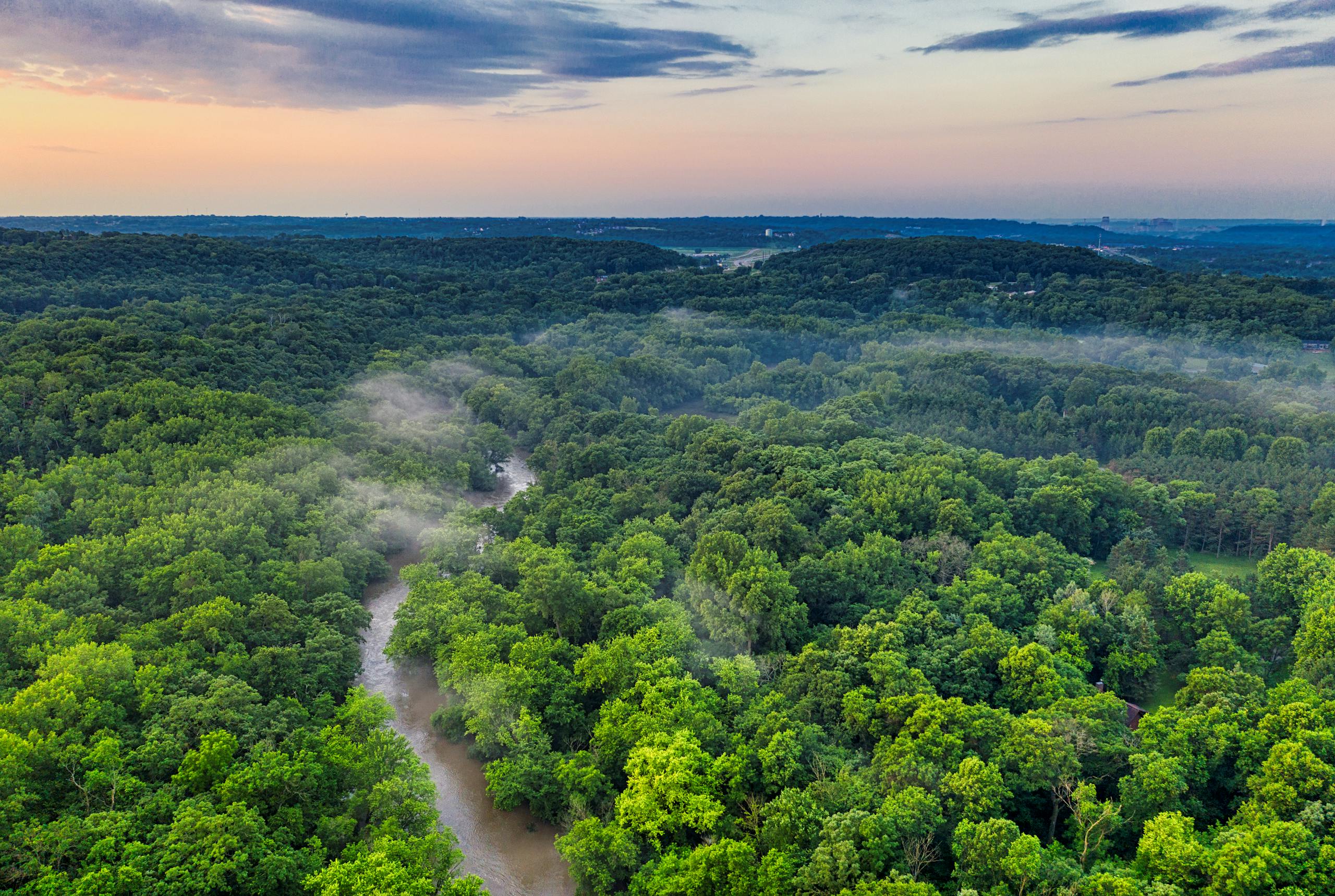
A new international study published in the Proceedings of the National Academy of Sciences reveals that the Amazon rainforest—often described as one of Earth’s last untouched natural environments—still carries deep ecological fingerprints from centuries of human occupation. The research shows that both pre-Columbian Indigenous communities and European colonial settlers left lasting influences on forest composition, biodiversity, and even modern carbon storage. Far from being a purely wild biome, much of the Amazon is actually a living record of human interaction with nature, shaped over hundreds, and in many places thousands, of years.
This comprehensive study, titled Centuries of Compounding Human Influence on Amazonian Forests, was led by scientists from the University of Amsterdam and Florida Tech. Using advanced spatial modeling and a massive historical dataset, the team illustrates how patterns of ancient settlement, cultivation, resource extraction, and colonial industry altered forests in ways that remain visible in the present.
How the Research Was Conducted
To understand the long-term effects of human activity, the researchers combined three major sources of information:
- Over 7,000 archaeological sites across Amazonia that document ancient settlements and cultural activity.
- More than 100,000 digitized biodiversity records, some dating back to early European expeditions.
- Tree data from 1,521 forest plots across the entire Amazon basin, representing 262 dominant and useful tree species.
By modeling human settlement patterns during the pre-Columbian era (before European contact) and the colonial period (1600–1920 CE, including the height of the Amazon Rubber Boom), the research team mapped where human presence was concentrated historically. These maps were then compared with modern tree-species distributions to determine whether past human activity still influences forests today.
The results were clear: forests within roughly 6 miles, or 10 kilometers, of major rivers—areas that have historically supported dense human populations due to fertile soils and strategic access—have a higher abundance of species that were once cultivated, harvested, or favored by humans. These patterns are visible even in places considered “undisturbed” today.
Why Rivers Matter
One of the strongest findings in the study is the role of major rivers. Throughout history, rivers acted as lifelines, shaping how people lived, traveled, farmed, and interacted with the ecosystem. Because Indigenous communities and later European settlers tended to live and trade along these waterways, the vegetation in these areas evolved under significant human influence.
Even now, many tree species that were historically managed by humans remain unusually common in river-adjacent forests, demonstrating that cultural decisions from hundreds or thousands of years ago still shape the Amazon’s biodiversity.
Species Enriched by Human Activity
The study highlights several tree species that remain abundant because of long-term human interaction:
- Brazil nut (Bertholettia excelsa)
- Rubber tree (Hevea brasiliensis)
- Murumuru palm (Astrocaryum murumuru)
These species have high ecological and economic value today and appear to have been favored in regions with a long history of human presence. Indigenous people likely cultivated, managed, or encouraged these species, contributing to their current distribution.
Species Reduced by Colonial Exploitation
The research also identifies species that declined due to intensive colonial extraction, especially during the Rubber Boom era. Hardwoods, palms, and other trees used in construction and industry were heavily harvested, leaving lasting ecological scars. These declines can still be detected in forest plots located near historically exploited regions.
This contrast reinforces an important takeaway: different types of human land use leave different types of ecological legacies. Indigenous management tended to increase biodiversity and sustainability, whereas colonial resource exploitation often led to depletion or long-term alteration.
Challenging the Idea of a Pristine Amazon
For decades, many people have imagined the Amazon as a vast, ancient wilderness, untouched until the modern era. This study challenges that misconception directly. Instead, the rainforest is portrayed as a dynamic, evolving landscape, continually shaped by human actions—settlement, cultivation, abandonment, regrowth, exploitation, and recovery.
The researchers also push back against more recent claims that only pre-Columbian peoples shaped the Amazon. Their findings show that colonial influences, too, played a major role in altering forests, and these changes must be acknowledged alongside Indigenous contributions.
This understanding has real implications. Much of what scientists consider old-growth or “intact” forest may actually be forest that regrew after centuries of human management or disturbance. That means current ecological models that treat these regions as untouched baselines may need adjustment.
Why This Matters for Conservation and Climate Science
Recognizing the Amazon’s human history is crucial for modern conservation and climate models. Many environmental models assume that old-growth forests have been stable for thousands of years. However, if these forests were shaped by human activities—favoring certain species and depleting others—then predictions about how they respond to deforestation, climate change, wildfires, and restoration must reflect that history.
Understanding ancient and colonial legacies can help scientists better estimate:
- Carbon storage
- Forest resilience
- Tree-species recovery patterns
- Biodiversity potential
- Forest regrowth trajectories
For conservation planners, this insight is practical. Restoration efforts should consider historical conditions—not just modern ones. For example, reforestation in areas once managed by Indigenous communities may benefit from reintroducing useful and culturally significant species.
The Amazon as a Cultural and Ecological Mosaic
This research supports a broader scientific shift: the Amazon is not simply a natural wilderness but a mosaic of ecological and cultural history. Ancient cultivation practices, settlement patterns, and forest management techniques helped shape the rainforest’s biodiversity long before colonial disruption.
In many ways, the Amazon’s resilience may actually stem from this long relationship between people and nature. Indigenous communities often maintained species-rich, sustainable forest systems, while some areas still suffer the consequences of colonial extraction.
Additional Background: How Ancient Peoples Shaped Amazon Forests
Long before European contact, Indigenous groups shaped the Amazon through:
- Agroforestry systems
- Selective tree cultivation
- Managed orchards
- Anthropogenic soils (terra preta)
- Controlled burns
- Resource islands and forest gardens
Several studies have shown that many of today’s dominant tree species were domesticated or promoted by ancient peoples. This includes fruit trees, palms, and nut-producing species. The biodiversity of many present-day forests reflects this legacy.
Additional Background: The Impact of the Rubber Boom
Between the 19th and early 20th centuries, the Amazon Rubber Boom drove widespread deforestation, forced labor, and extraction. Many hardwoods and latex-producing species were intensely harvested. This boom reshaped local economies and ecosystems—effects still visible today.
Understanding these patterns helps researchers distinguish between ancient Indigenous enrichment and colonial industrial depletion, allowing for a more accurate reconstruction of Amazonian history.
Final Thoughts
This new study reframes the Amazon rainforest as a landscape formed not only by natural processes, but also by centuries of human interaction. Recognizing these legacies—both ancient and colonial—offers a more accurate foundation for conservation, climate modeling, and cultural appreciation. The Amazon’s future, the researchers argue, depends on understanding its past.
Research Paper Link:
https://doi.org/10.1073/pnas.2514040122