Bumble Bees Launch a Three-Stage Defensive Response When Their Nest Is Disturbed
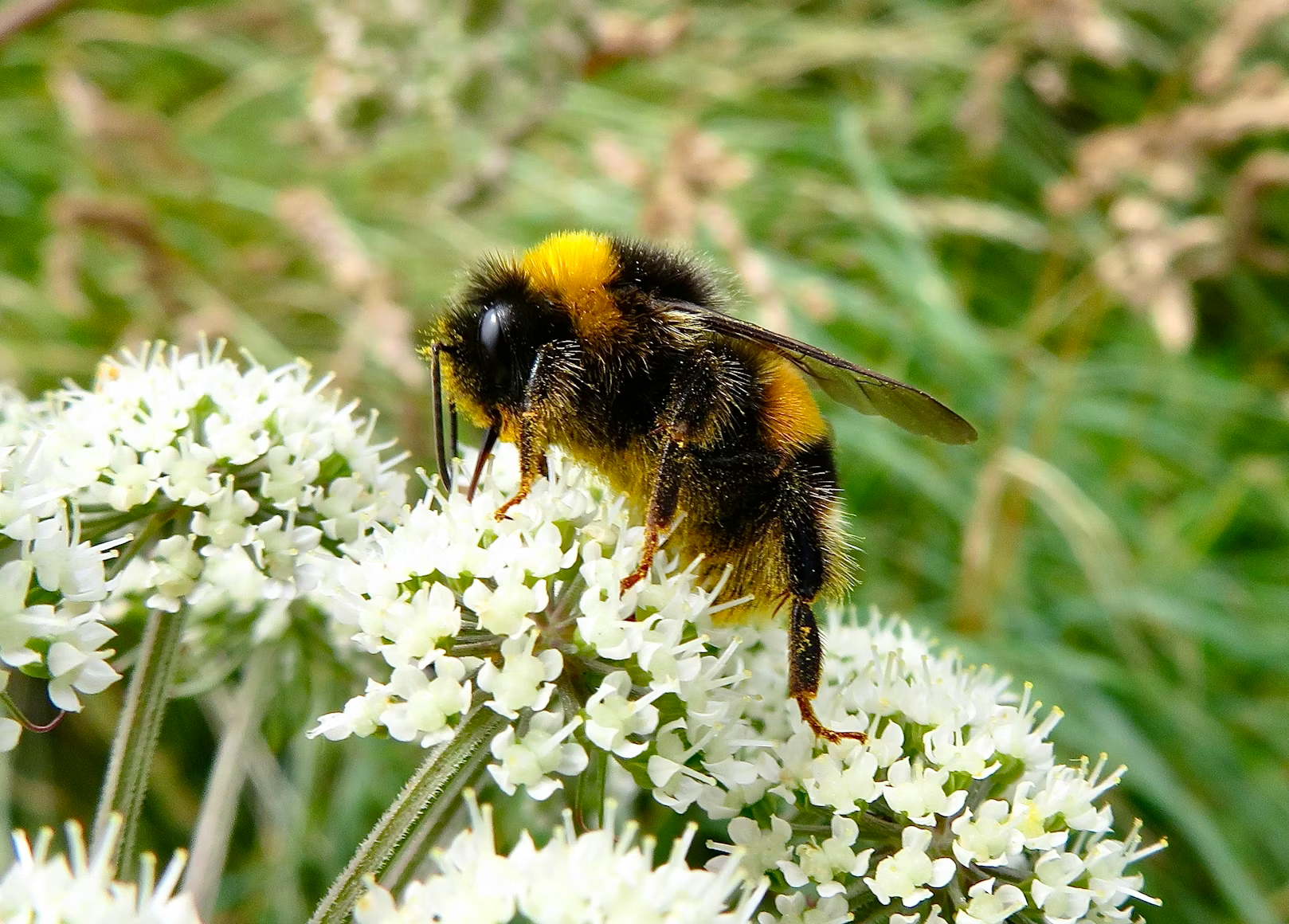
Bumble bees may have a reputation for being calm, fuzzy garden companions, but new research shows that they are far from passive when their home is threatened. A recent scientific study has revealed that bumble bees respond to nest disturbances with a clear, structured, three-stage defensive sequence that can last for several minutes. This research provides one of the most detailed looks yet at how bumble bee colonies organize their defense and recover after a potential threat.
The study was carried out by Sajedeh Sarlak and colleagues at the University of Konstanz in Germany and was published in the peer-reviewed journal PLOS One in 2025. By carefully observing bumble bee colonies under controlled laboratory conditions, the researchers were able to document exactly how these insects behave when their nest is physically disturbed.
Why Bumble Bee Defense Matters
Bumble bees play a critical role as pollinators, supporting wild ecosystems and agricultural crops alike. They are also widely used in commercial greenhouses, where they help pollinate tomatoes, peppers, and other plants. Because of their importance and their frequent proximity to humans, understanding how bumble bees react to threats is essential for both conservation efforts and human safety.
While honey bees have been extensively studied for their defensive behavior, bumble bees have received far less attention. They are often described as gentle and non-aggressive, which is usually true when they are foraging. However, the researchers behind this study wanted to know what really happens when a bumble bee nest itself is under threat.
How the Study Was Conducted
The researchers studied commercially reared colonies of Bombus terrestris, one of the most common bumble bee species in Europe. The experiments took place in a laboratory setting, allowing the team to closely monitor individual and collective behaviors.
To simulate a real-world threat, the researchers applied a mechanical jolt to the nest boxes. This disturbance was designed to mimic situations such as a badger digging into a nest, a human accidentally kicking or moving it, or other physical impacts that could occur in nature.
The team recorded both video and audio data, capturing not only how the bees moved, but also the sounds they produced. This combination allowed them to build a detailed timeline of events following each disturbance.
Stage One: Immediate Alert and Heightened Activity
The first stage of the defensive response begins immediately after the disturbance. As soon as the nest is jolted, the colony shifts into a state of intense activity.
Bees begin moving much faster than usual. They patrol the nest interior, walk rapidly across surfaces, fly within the nest area, and climb the walls of the nest box. This behavior strongly suggests that the bees are searching for the source of the threat and preparing to defend their colony if necessary.
This heightened activity is not brief. According to the study, this alert phase can last several minutes, indicating that the bees remain on guard rather than quickly returning to normal behavior.
Stage Two: Warning Signals and Defensive Readiness
Alongside the surge in movement, many bees display clear warning behaviors. One of the most striking is leg-lifting, a posture in which a bee raises one or more legs. This is a known warning signal in bumble bees and is widely interpreted as a sign that the bee is ready to sting if the threat continues.
Bees also produce distinct buzzing sounds by vibrating their wings. These buzzes may serve multiple purposes. They could act as a warning to potential intruders, signaling that the nest is defended. At the same time, the buzzing may function as a communication signal within the colony, alerting other bees that danger is present.
This second stage shows that bumble bee defense is not chaotic. Instead, it involves coordinated signals that help the colony prepare for possible escalation.
Stage Three: Recovery and Stress Reduction
Between one and three minutes after the disturbance, the researchers observed a noticeable shift in behavior. Bees began to groom themselves more frequently and produced short, rhythmic buzzing sequences that were different from the initial alarm buzzes.
These behaviors appear to mark a recovery phase, during which the colony gradually calms down after the immediate threat has passed. Grooming is often associated with stress reduction in insects, and the rhythmic buzzing may help regulate arousal levels within the colony.
However, the researchers caution that the exact function of this buzzing is not yet fully understood. It could help calm the bees, or it might serve to maintain a low-level state of alertness in case the threat returns.
How Long Does the Defensive State Last?
One of the most important findings of the study is the duration of vigilance. Even after the most intense behaviors subside, bumble bees remain in a heightened defensive state for around four minutes, and in some cases up to ten minutes in total.
This extended vigilance likely gives the colony a better chance to respond quickly if the disturbance happens again. Rather than immediately relaxing, the bees stay prepared, balancing safety with energy conservation.
Not All Bees Respond the Same Way
An interesting observation from the study is that not every bee participates equally in defensive behaviors. Some individuals are much more active than others during disturbances. This raises important questions about whether certain bees are specialized defenders within the colony.
Future research may explore whether age, size, experience, or genetic factors influence which bees take on defensive roles.
What This Study Adds to Bumble Bee Science
This research provides one of the most comprehensive overviews of bumble bee nest defense to date. Instead of viewing defensive behavior as a single reaction, the study shows that it unfolds as a structured sequence with distinct stages and functions.
The findings also highlight how social insects like bumble bees manage threats collectively, using movement, posture, and sound to coordinate their response.
Extra Insight: Bumble Bees and Nest Defense in the Wild
In natural environments, bumble bee nests are often hidden underground or in dense vegetation, but they are still vulnerable to predators such as mammals, birds, and ants. Unlike honey bees, bumble bee colonies are smaller, which makes efficient defense even more important.
Bumble bees can sting, but they typically reserve this for direct threats to the nest. Their reliance on warning signals and vigilance helps reduce unnecessary stinging, which would otherwise put individual bees at risk.
Understanding these behaviors can also help humans coexist more safely with bumble bees. Knowing that disturbances can trigger prolonged defensive states highlights the importance of leaving nests undisturbed whenever possible.
Looking Ahead
The researchers describe this study as a starting point rather than a final answer. Many questions remain about how environmental factors, colony size, and individual differences shape defensive responses. As bumble bees face increasing pressures from habitat loss and climate change, understanding their behavior becomes even more important.
By shedding light on how bumble bees protect their homes, this research deepens our appreciation for these essential pollinators and the complex social systems they rely on.
Research paper: https://journals.plos.org/plosone/article?id=10.1371/journal.pone.0335136