Butterfly Vision Changes With the Seasons as New Research Reveals Shifts in Genes, Behavior, and Color
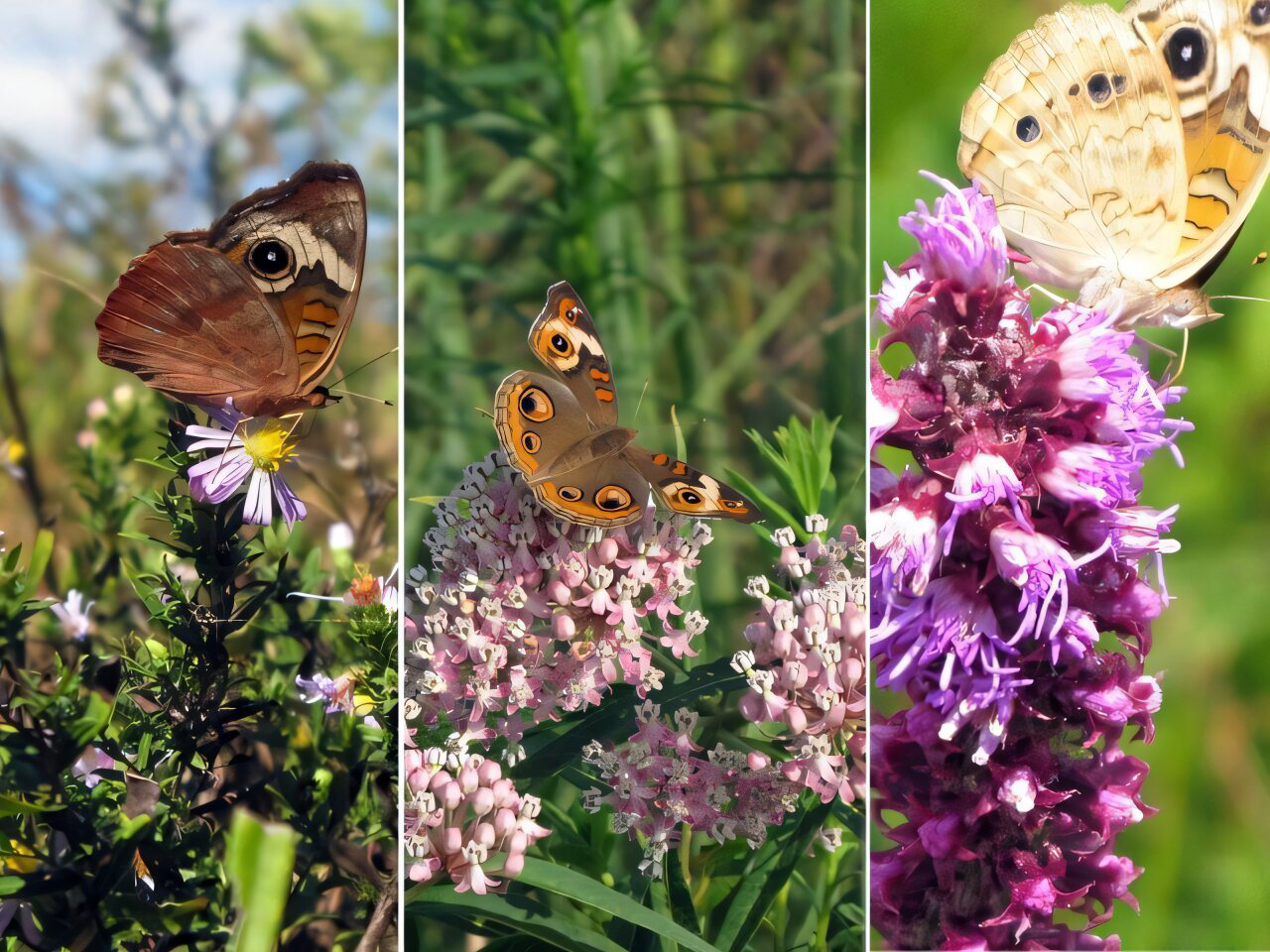
Scientists have long known that many animals change their appearance with the seasons, but new research shows that these changes can go much deeper than skin—or wings—deep. A recent study led by researchers at the University of Arkansas, in collaboration with Cornell University, reveals that the visual system of butterflies changes with the seasons, alongside clear shifts in behavior and coloration. The findings focus on the common buckeye butterfly (Junonia coenia), a species that has fascinated scientists for more than a century because of its dramatic seasonal differences.
The study provides rare field-based evidence that butterflies developing in different seasons may actually see their world differently, not just look different to us.
A Butterfly Known for Seasonal Transformation
The common buckeye butterfly is widespread across the United States and is especially abundant in Arkansas. What makes it particularly interesting to researchers is its striking seasonal color variation. Butterflies that emerge in summer tend to have lighter-colored wings, while those that emerge in fall display much darker wings.
For decades, scientists have believed that darker fall wings help butterflies absorb more heat, which is especially useful in cooler temperatures. Darker coloration allows fall butterflies to warm up faster by basking in sunlight, helping them remain active despite lower ambient temperatures. While this explanation still holds true, the new study set out to explore whether these visible changes are connected to less obvious internal changes, particularly in the butterflies’ eyes and visual systems.
Connecting Color, Behavior, and Vision
The research team wanted to know whether seasonal changes in wing coloration were accompanied by changes in behavior and visual gene expression. Because butterflies rely heavily on vision for activities like feeding, navigation, basking, and mate selection, even subtle differences in how they process visual information could have meaningful ecological consequences.
To investigate this, the researchers conducted extensive fieldwork in Northwest Arkansas prairies, specifically at Woolsey Prairie, Chesney Prairie, and Stump Prairie. Butterflies were captured and observed between May and November, over a four-year period from 2018 to 2021. This long-term dataset allowed the team to compare summer and fall butterflies under natural conditions, rather than relying solely on laboratory experiments.
Behavioral Differences Across the Seasons
One of the clearest findings of the study was that fall butterflies spend significantly more time basking compared to their summer counterparts. This behavior aligns well with the idea that darker wings and increased basking work together to help butterflies regulate their body temperature in cooler weather.
In contrast, summer butterflies, which experience warmer conditions, are generally more active and spend less time basking. These behavioral differences were consistent across months and years, suggesting that the patterns are strongly tied to seasonal conditions rather than random variation.
What the Eyes Reveal at the Genetic Level
Beyond observing behavior, the researchers analyzed gene expression in eye tissue collected from the butterflies. This allowed them to see which genes were more or less active depending on whether a butterfly developed during summer or fall.
Interestingly, the study did not find strong evidence that color sensitivity itself changes with the seasons. In other words, the butterflies’ ability to detect specific wavelengths of light does not appear to shift dramatically between summer and fall.
However, the team did identify seasonal differences in the expression of many other genes related to vision and eye development. These genes play roles in how the eye forms, how visual information is processed, and how the visual system adapts to environmental conditions. This suggests that while the basic color-detection system may remain stable, the overall visual experience of the butterfly could still change depending on when it develops.
Because adult buckeye butterflies only live for about eight to ten days, they experience just one season in their lifetime. That makes the developmental environment—what conditions they experience as caterpillars—especially important in shaping their adult traits.
Why This Study Matters
Field studies that connect behavior, physiology, and gene expression in wild animal populations are relatively rare. Natural environments introduce many variables, which can make it difficult to identify clear patterns. Despite these challenges, this study found strong and consistent seasonal responses, demonstrating that real-world data can reveal insights that laboratory studies alone might miss.
The research also supports the broader idea that sensory systems are more flexible than previously thought. Instead of being fixed at birth, aspects of vision may adjust during development in response to environmental cues such as temperature, light conditions, or day length.
The Developmental Mystery Still to Solve
One major question remains unanswered: what exactly triggers these changes in the visual system? The researchers suggest several possibilities, including temperature, changes in the visual environment, or other sensory cues experienced during development.
Future studies aim to pinpoint which factors are responsible and how they interact. Understanding these triggers could shed light on how animals adapt to seasonal environments—and how they might respond to long-term climate change.
Why Buckeye Butterflies Are Ideal Research Subjects
The common buckeye is especially well-suited for this type of research. It is widely distributed, easy to find in large numbers, and already known to exhibit developmental plasticity in traits like wing patterning. This makes it a valuable model for exploring bigger biological questions about how environments shape sensory perception.
Another important aspect of the study is its focus on local Arkansas populations. Much of the previous research on buckeye butterflies has focused on coastal populations, where the species is less abundant. By studying butterflies in the central plains, the researchers helped broaden scientific understanding of regional variation within the species.
Seasonal Plasticity in the Animal World
The findings from this study fit into a larger scientific framework known as seasonal plasticity, where organisms adjust their traits in response to predictable environmental changes. In butterflies, seasonal plasticity has been documented in wing patterns, size, behavior, and reproductive strategies. This research adds sensory system development to that list.
Similar seasonal shifts have been observed in other butterfly species, as well as in birds, fish, and insects, where changes in daylight or temperature influence brain development, hormone levels, and sensory processing.
What This Means Going Forward
This study highlights that seasonal traits are often coordinated across multiple biological systems. In the case of the common buckeye butterfly, changes in wing color, basking behavior, and visual gene expression appear to be synchronized responses to seasonal conditions.
Understanding how these systems work together can help scientists better predict how animals will cope with environmental changes, including shifting seasons and climate instability. It also underscores the importance of studying animals in their natural habitats, where real-world complexity drives real biological adaptation.
Research Paper Reference:
Synchronous seasonal plasticity in coloration, behaviour and visual gene expression in a wild butterfly population – Functional Ecology
https://doi.org/10.1111/1365-2435.70215