Critically Endangered African Penguins Now Forced to Compete Directly With Fishing Boats as Food Supplies Shrink
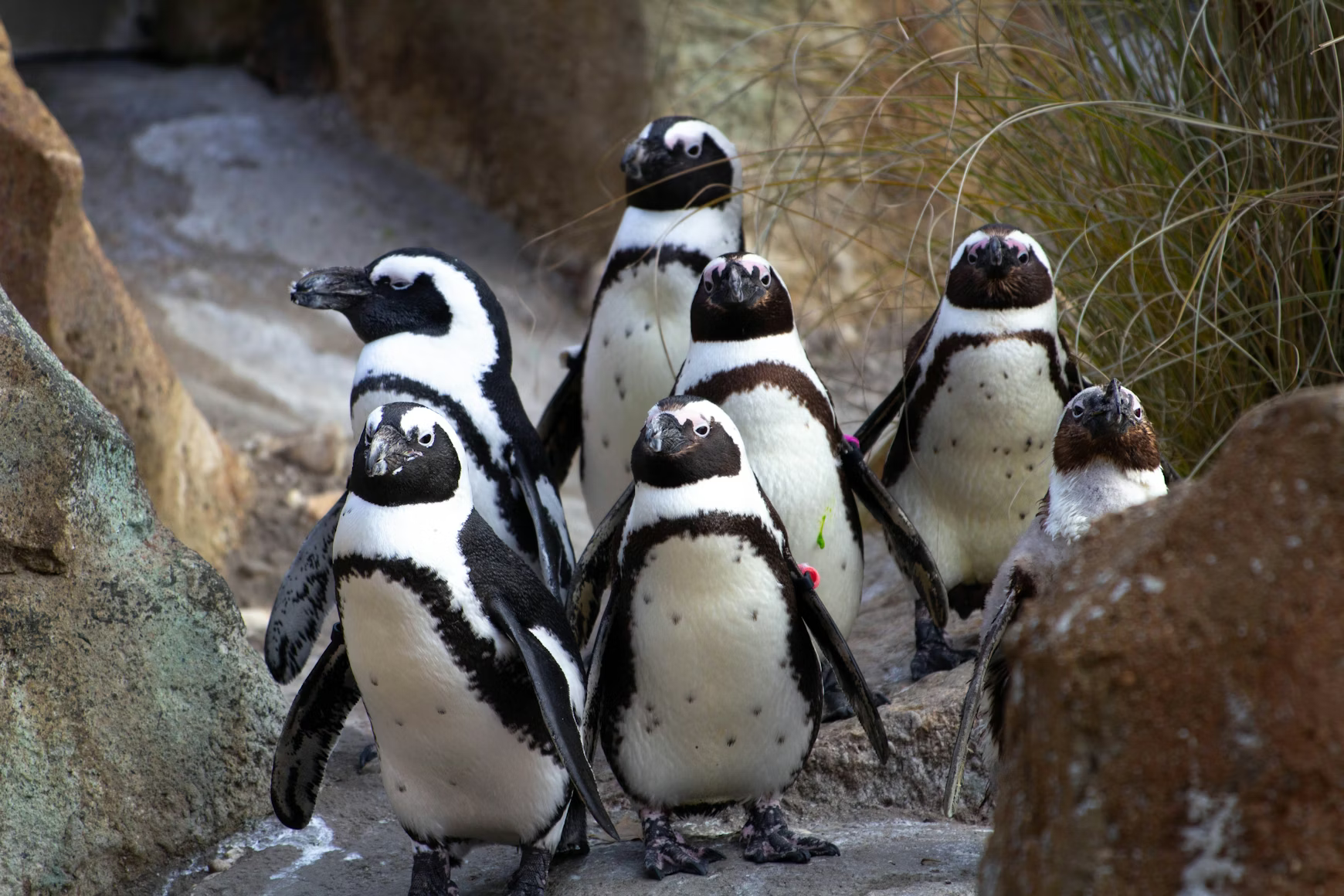
A new study has delivered a worrying update about the future of African penguins, a species already listed as critically endangered. Researchers from the University of St Andrews, working with scientists from the University of Exeter, BirdLife South Africa, and the South African Department of Forestry, Fisheries and the Environment, have found strong evidence that these penguins are increasingly foraging in the same areas as commercial fishing vessels—especially during years when fish populations are low. This direct overlap raises the level of competition for prey and highlights how fragile the species has become.
The research appears in the Journal of Applied Ecology and introduces a new analytical approach called overlap intensity, which measures not just where penguins and fishing boats operate in the same waters but how many penguins are actually affected. This represents a major improvement over traditional overlap mapping, which often fails to reveal how severely animals are impacted at the population level. The study shows that as sardine and anchovy supplies drop, penguins are pushed into the same zones where purse-seine fishing vessels are actively targeting the same fish.
Understanding the New “Overlap Intensity” Metric
The key contribution of the research is the development of the overlap intensity metric. Instead of simply marking geographical intersections on a map, this method identifies how many penguins are within the fishing footprint at any given time. This helps conservationists and policymakers quantify risk in a more actionable way.
The study tracked penguins from Robben Island and Dassen Island, two important breeding colonies off the coast of South Africa. Using high-resolution tracking data, researchers compared penguin foraging behavior with the locations of commercial fishing vessels, primarily purse-seine boats. These boats target schooling fish by surrounding them with a large circular net, making them highly effective at capturing sardines and anchovies—fish that penguins also depend on.
The results were striking. In 2016, a year marked by low fish biomass, around 20% of penguins ended up foraging in the same waters as active fishing boats. In years with healthier fish stocks, the overlap dropped sharply to 4%. This demonstrates how environmental fluctuations can intensify competition and why certain years place the species at much greater risk.
Why African Penguins Are Already in Crisis
African penguins have been suffering a steep population decline. Over the last three decades, numbers have fallen by nearly 80%. The reasons behind this crash include habitat loss, climate-driven shifts in fish distribution, oil spills, and—most relevant to this study—commercial overfishing of sardines and anchovies.
Sardines and anchovies are keystone prey species for African penguins. These small fish provide the high-energy nutrition needed for breeding, chick-rearing, and long foraging trips. When their numbers fall or when fishing boats operate too close to penguin colonies, the birds must travel farther or compete directly for food. The energy cost of this extra travel is especially dangerous during chick-rearing, when adults must bring food back frequently to their young.
Because penguins are central place foragers—they must return repeatedly to a central nest location while harvesting food—the availability of prey near nesting sites is critical. If fish move too far offshore or become heavily targeted by fisheries, penguins simply cannot afford the increased travel time.
Purse-Seine Fishing and Its Impact
The local fishery that most directly competes with penguins is the purse-seine fishery. This method, while efficient for human food production, is problematic when conducted near penguin colonies during years of low fish availability. By removing large quantities of sardines and anchovies, these vessels reduce the amount of prey available to penguins and increase the risk of starvation for chicks.
The study demonstrates that this risk is uneven. During periods of high fish abundance, penguins and fishing boats are less likely to cross paths. But in low-biomass years, fishing effort remains high while available prey becomes limited. This drives overlap intensity to dangerous levels and threatens the long-term stability of penguin colonies.
A Landmark Court Case and the Push for Better Protection
The findings connect directly to a major legal development in South Africa. Earlier this year, a high-profile court case challenged the lack of biologically meaningful fishing closures near penguin breeding colonies. Conservation groups argued that the government’s previous buffer zones were not based on ecological evidence and failed to address the penguins’ real needs.
The dispute led to a high court settlement that acknowledges the necessity of improved no-fishing areas. In response, the South African government reinstated stronger, biologically meaningful fishing closures around locations including Robben Island, one of the main sites featured in the study.
The research supports this policy shift. By identifying areas with high overlap intensity, managers can now pinpoint zones where penguins are most at risk and design closures that actually protect them. These insights could also help guide the creation of dynamic marine protected areas, which adjust rules based on real-time conditions such as prey distribution and breeding cycles.
What This Means for Conservation
The new overlap intensity metric offers a powerful tool for conservation planning. Instead of relying on broad, static assumptions about how fishing may affect wildlife, managers now have a way to measure direct interactions between penguins and fisheries at the population level.
This is especially valuable for African penguins because the species’ decline is happening so rapidly and because breeding success can swing dramatically from year to year. Understanding which areas pose the highest risk allows conservationists to focus resources where they matter most.
The findings also highlight the importance of ecosystem-based fishery management, which considers the needs of marine predators, not just the demands of the fishing industry. If fisheries adapt their operations based on ecological data—particularly during sensitive periods like the chick-rearing season—it could reduce unnecessary pressure on penguin populations without severely restricting fishing activities year-round.
Additional Context: The African Penguin’s Ecological Role
African penguins play a significant role in their marine ecosystem. As mid-level predators, they help regulate fish populations, ensuring a balanced food web. Their presence around coastal islands also supports nutrient cycling through guano deposits, which historically helped maintain vegetation and soil conditions.
These penguins are also valuable indicators of ocean health. Changes in their population, breeding success, or foraging patterns often reflect deeper issues such as shifting fish stocks or changing sea temperatures. When penguin numbers drop, it can serve as a warning sign for the broader marine environment.
The Path Ahead
The new study makes one thing clear: African penguins face serious challenges, and competition with fishing vessels is a major piece of the puzzle. With nearly 80% of the species already lost in 30 years, timely and effective conservation action is crucial.
The development of tools like overlap intensity, the restoration of meaningful fishing closures, and continued monitoring of fish biomass all represent positive steps. But long-term success will require cooperation between scientists, conservationists, government agencies, and the fishing industry.
Protecting African penguins is not only about saving a beloved species—it’s about maintaining the health and balance of South Africa’s marine ecosystems.
Research Paper:
Spatial overlap alone downplays the level of interaction between a central place forager and the local fishery
https://doi.org/10.1111/1365-2664.70199